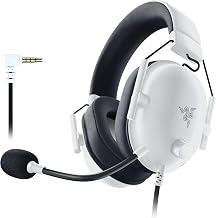
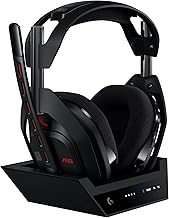
Our Top Picks
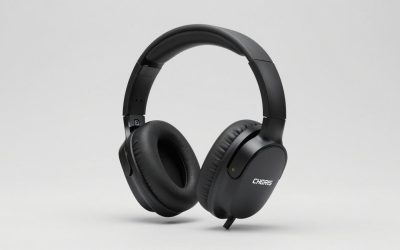
 Open Ear Open-Back Headphones Wireless Bluetooth Gaming Headset2 x 1 x 2 Inches0.04 PoundsCheck on Amazon
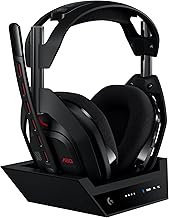
 ASUS ROG Kithara Hifiman Gaming/Audiophile Open Wired Headphones6.7 x 10.2 x 4.3 inches0.7 PoundsCheck on Amazon
The best gaming headsets and open-back headphones are really two different tools: a closed gaming headset gives you a built-in microphone, isolation and platform support, while open-back headphones give a wider, airier soundstage that helps in single-player and competitive games but leak sound and need a separate mic. For most players, the HyperX Cloud III is the safest all-round headset, and the ASUS ROG Kithara (with HIFIMAN planar magnetic drivers and a mic) is the most interesting open-back option built for gaming. This guide compares seven real models across both styles and explains who should choose which.
This is a research-based guide. We did not personally use these products; specs come from manufacturer pages and shopping listings, and anything we could not confirm is marked “not listed”. Sound quality is subjective, so we describe design and features rather than promising how any pair will sound to you.
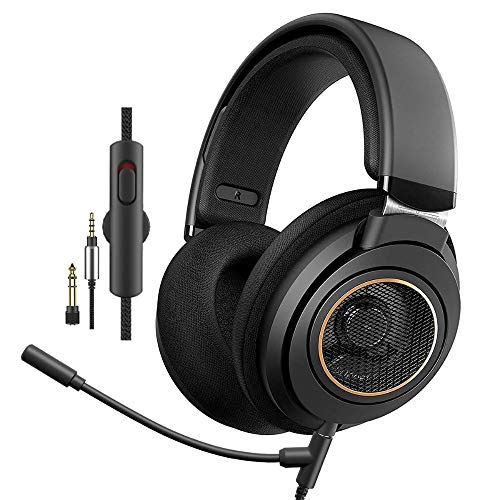
PHILIPS Over The Ear Studio Headphones for Recording Open Back Gaming Headset with Microphone Studio Monitor Headphones for PC DJ Music Piano Guitar with Detachable Mic and Audio Jack SHP9600MB
One of the home product options compared in this guide.
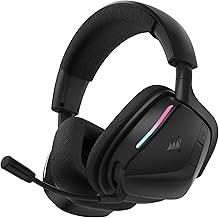
View on AmazonOpen Ear Open-Back Headphones Wireless Bluetooth Gaming Headset with Mic for PC Switch Xbox One PS4 PS5, 3.5mm Wired Breathable Lightweight Over Ear Headphones with Microphones Adjustable RGB Light
One of the home product options compared in this guide.
View on Amazon
PHILIPS Over Ear Open Back Stereo Headphones Wired with Detachable Audio Jack, Studio Monitor Headphones for Recording Podcast DJ Music Piano Guitar (SHP9600)
One of the home product options compared in this guide.
View on AmazonTop Picks at a Glance
- Best Overall Gaming Headset: HyperX Cloud III (wired), angled 53 mm drivers and a memory-foam fit.
- Best Value Gaming Headset: Razer BlackShark V2 X, 50 mm drivers and a cardioid mic.
- Best Wireless: SteelSeries Arctis Nova 5, up to 60 hours of battery per the listing.
- Best Budget In-Ear: KASOTT Battle Buds Pro, dual microphones for mobile and console play.
- Best Open-Back for Gamers: ASUS ROG Kithara HIFIMAN, planar magnetic drivers with a mic.
- Best Open-Back for Hard Pushers: beyerdynamic DT 990 Pro X (48 ohm), no amp needed.
- Best Comfort-First Open-Back: Sennheiser HD 599, a classic audiophile-style open-back.
Comparison Table
| Product | Best for | Key specs | Watch for | Price tier |
|---|---|---|---|---|
| HyperX Cloud III (wired) | All-round PC and console play | 53 mm angled drivers, memory foam, spatial audio support | Closed design, wired | Mid-range |
| Razer BlackShark V2 X | Value competitive play | 50 mm drivers, cardioid mic, memory foam | Lighter build, wired | Budget |
| SteelSeries Arctis Nova 5 | Cable-free play across systems | Neodymium magnetic drivers, 60 h battery, 2.4 GHz | Needs companion software for best features | Mid-range to Premium |
| KASOTT Battle Buds Pro | Mobile and handheld gaming | In-ear, dual mics, mute and volume control | In-ear fit is personal | Budget |
| ASUS ROG Kithara HIFIMAN | Immersive PC gaming | Open-back planar magnetic drivers, built-in mic | Sound leaks, needs a decent output | Premium |
| beyerdynamic DT 990 Pro X | Detail-seekers with a PC | Open-back, 48 ohm, no amp needed | No microphone, bright tuning | Premium |
| Sennheiser HD 599 | Long, relaxed listening | Open-back, wired audiophile design | No mic, needs a separate one | Premium |
1. HyperX Cloud III (Wired): Best All-Round Gaming Headset
- Angled 53 mm drivers
- Memory-foam ear cushions and a durable frame
- Works with PC, PS5, Xbox Series X|S per the listing
- Detachable microphone with a wired connection
- Spatial audio support on selected variants
Best for: a single headset that moves between a PC and a console. Skip if: you want wireless or an open sound.
The Cloud line earned its reputation from comfort and a no-fuss approach, and the Cloud III continues that. Memory foam and a metal-reinforced frame suit long sessions, and angled drivers aim sound at the ear canal in a more natural way. Several variants exist in the catalog at different prices, so check that you are viewing the one you want.
The closed back isolates you from the room, which helps in noisy homes and keeps teammates from hearing your speakers. The tuning leans to a lively, gaming-friendly balance, so footsteps and gunfire stand out.
Pros: comfortable; works on many systems; detachable mic; durable. Cons: wired; closed soundstage; some variants differ in extras.
2. Razer BlackShark V2 X: Best Value for Competitive Play
- 50 mm drivers
- Cardioid microphone
- Memory-foam cushions and a lightweight build
- 7.1 surround sound feature (software based, PC)
- Variants exist for PC, Xbox and PlayStation
Best for: shooter players who want a sensible mic and decent sound at a modest price. Skip if: you want heavy build quality or wireless freedom.
The BlackShark V2 X trims the extras down to what matters: sound, microphone and comfort. The cardioid pattern picks up your voice while rejecting some room noise, and the 50 mm drivers give sufficient bass without muddying footsteps. The 7.1 mode is virtual, so its effect depends on software and taste.
Pros: light; good price; clear mic pattern; comfortable pads. Cons: plastic feel; wired; surround is software-based.
3. SteelSeries Arctis Nova 5: Best Wireless Option
- Wireless multi-system gaming headset
- Neodymium magnetic drivers
- Up to 60 hours of battery per the listing
- 2.4 GHz wireless connection (Bluetooth: see the maker page)
- Companion app for equalizer presets
Best for: players who switch among PC, PlayStation, Switch and phone. Skip if: you want an audiophile soundstage.
Arctis headsets have a long record with comfortable suspension headbands, and the Nova 5 keeps that approach. The 60 hour battery claim is generous. The app offers presets tuned for particular games, which is a convenient shortcut if you do not like to tweak equalizers yourself.
Pros: long battery; works across systems; easy presets; comfortable. Cons: app dependence; mid-to-premium tier; wireless adds latency compared with wired.
4. KASOTT Battle Buds Pro: Best Budget In-Ear Gaming Headset
- In-ear design with dual microphones
- Mute and volume control
- Wired earphone for mobile gaming
- Platform compatibility: check the listing (mobile, console controller and PC with a 3.5 mm jack)
- Driver size: not listed
Best for: phone and handheld gaming, small bags, and people who dislike over-ear headsets. Skip if: you want a big soundstage.
In-ear gaming headsets are rare but practical. They fit under a hoodie, do not squash glasses arms and travel easily. Dual microphones help with voice pickup in noisy places, and inline controls make quick mute possible. Fit is personal, so try the ear tips provided and consider swapping them if the seal is poor.
Pros: tiny; low cost; mic and inline controls. Cons: in-ear fit varies; limited soundstage; driver specs not listed.

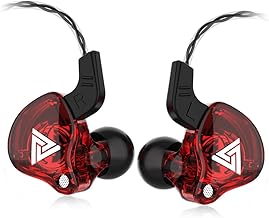
KASOTT Battle Buds Pro in-Ear Gaming Headset with Dual Microphone, Mute and Volume Control, Wired Earphones for Mobile Gaming, Nintendo Switch, Xbox One, PS, PC (Black)
One of the home product options compared in this guide.
View on Amazon5. ASUS ROG Kithara HIFIMAN: Best Open-Back Built for Gaming
- Open-back wired headphones with a microphone
- ROG-tuned HIFIMAN planar magnetic drivers
- Marketed for both gaming and audiophile use
- Impedance and sensitivity: see the maker page
- Connection details: see the maker page
Best for: single-player games, immersive RPGs and spatial awareness, played at home. Skip if: other people are in the room or you need console-plug simplicity.
Planar magnetic drivers use a thin diaphragm moved by a magnetic field, which is why they are known for fast, detailed sound. Open-back construction lets air and sound pass through the ear cups, which makes the soundstage feel wide and natural. The cost is leakage: anyone nearby hears what you hear and your teammates may hear your room.
The built-in microphone is the key difference from classic audiophile open-backs. It means you do not need a separate mic for party chat.
Pros: open soundstage; planar drivers; mic included; gaming-tuned. Cons: sound leakage; premium cost; some specs not listed here.
ASUS ROG Kithara Hifiman Gaming/Audiophile Open Wired Headphones with Mic | ROG-Tuned HIFIMAN Planar Magnetic Drivers, Adjustable Headband, Extra Ear Pads, Compatible with DACs/Amps/PC/Console/Mobile
One of the home product options compared in this guide.
View on Amazon6. beyerdynamic DT 990 Pro X (48 Ohm): Best Open-Back for Detail
- Open-back studio headphones
- 48 ohm impedance, “no amp needed” per the listing
- Wired; no microphone
- Black
- Replaceable parts per beyerdynamic’s studio line: see the maker page
Best for: players who want a wide stage and tonal detail and already own a mic. Skip if: you dislike bright treble.
The DT 990 line has a bright, energetic sound signature that many gamers like for hearing footsteps and small effects. The 48 ohm version is easier to drive from a motherboard output or a USB DAC. Because there is no microphone, add a clip-on or desktop mic, or use a boom-mic cable if the maker offers one.
Pros: detailed; easy to drive; solid build. Cons: no mic; can sound sharp; leaks sound.
7. Sennheiser HD 599: Best for Comfort-First Open-Back Listening
- Open-back wired audiophile headphones
- Ivory finish in the listing
- Detachable cable design (see the maker page for length)
- Impedance and sensitivity: see the maker page
- No microphone
Best for: relaxed listening, story games and music with a lighter feel on the head. Skip if: you need voice chat without another mic.
The HD 599 is known as a comfortable, easygoing open-back. It is less aggressive than the beyerdynamic, which many listeners find easier over long sessions. Pair it with a USB microphone if you chat.
Pros: comfortable; relaxed tone; easy to drive. Cons: no mic; leaks sound; ivory finish shows wear.
Also Consider
Philips Fidelio X2HR
Open-back wired headphones with 50 mm drivers, aimed at studio monitoring. A sturdy alternative to the Sennheiser at a similar tier.
Audio-Technica ATH-R50x
A newer open-back model from a trusted audio brand. Detailed specs: see the maker page.
Logitech G PRO X Wired
A closed gaming headset with a detachable boom mic, 50 mm drivers, DTS 7.1 and USB or 3.5 mm connections per the listing. A good alternative to the HyperX Cloud III.
FiiO FT1 Pro
An open-back planar magnetic Hi-Fi pair for home and studio use. It is a cheaper planar route than the ASUS ROG Kithara but has no microphone listed.
How We Chose
We began with the headsets named in the brief and searched the product catalog for gaming headsets (wired and wireless) and open-back headphones. We checked that each pick is a real, currently sold model and read maker pages for driver size, impedance, microphone and connection. We cross-checked how reviewers such as RTINGS, SoundGuys and Tom’s Guide commonly describe closed gaming headsets and open-back headphones. We did not personally use these products; this guide is research-based. Where a spec was not confirmed, we say “not listed”. We kept to two models per brand at most and use price tiers instead of exact prices.
Buying Guide
Decide closed or open first
Closed-back headsets isolate you from the room and keep your sound inside. Open-back headphones let sound pass through the cups, which gives a wider stage but also leaks sound both ways. If someone sleeps in the same room, if you stream with speakers on or if you play in a noisy home, closed is the practical choice. For a quiet room and solo play, open-back is attractive.
Check for a microphone
Most open-back headphones have no microphone. Budget for a clip-on mic, a desktop USB mic or a boom-mic cable if the model supports one. The ASUS ROG Kithara is the exception in this list.
Match impedance to your output
Impedance in ohms tells you how hard the headphones are to drive. Roughly 32 to 50 ohms works from most laptops, phones and motherboard jacks. Higher impedance, such as 250 ohm versions of studio headphones, benefit from a headphone amp. The 48 ohm DT 990 Pro X was listed as needing no amp, which is why it is here.
Think about connection and platform
Wireless headsets use a 2.4 GHz dongle or Bluetooth. Consoles often need specific dongles or a 3.5 mm jack on the controller. Always confirm that the headset’s USB or analog connection works with your system.
Comfort and fit
Look at weight, clamping force and cushion material. Memory foam and suspension bands spread weight. If you wear glasses, a softer cushion helps avoid pressure on the temples. Try on or check the return policy if comfort matters most.
Choosing by Game Type
Competitive shooters
Directional accuracy and a clear microphone matter most. Closed headsets like the Razer BlackShark V2 X and HyperX Cloud III are built for this, and their isolation keeps room noise out. Open-back headphones can give a wider and more precise stage, which some competitive players prefer, but the lack of a mic and the sound leakage mean you also need a separate microphone and a quiet room. If you are new to open-back and want to try it, the ASUS ROG Kithara is the least awkward way to start because the mic is built in.
Story-driven single-player games
Immersion and tonal richness matter more than a boom mic. This is where open-back headphones shine: ambient detail, music and dialogue sit in a wider space that can feel more natural. The Sennheiser HD 599 suits long cinematic sessions, while the beyerdynamic DT 990 Pro X adds a brighter, more detailed presentation. If your game uses a lot of low bass for explosions, remember open-back designs generally have less bass impact than closed designs.
Mobile and handheld gaming
Cables and bulk are the enemy. A small in-ear headset like the KASOTT Battle Buds Pro stays out of the way and includes a mic. For anyone using a handheld PC or a phone with a 3.5 mm adapter, check whether the connector carries both audio and mic signals, because some adapters do not.
Console play on a couch
Wireless is convenient, so the SteelSeries Arctis Nova 5 is attractive. Check the exact model for your console, because the maker sells variants for different systems. A long battery claim means fewer interruptions, but keep a charging cable nearby anyway.
Streaming and content creation
Streamers need to avoid audio leaking into the microphone. Closed headsets prevent that. Open-back headphones can leak into a sensitive mic, so a dynamic microphone positioned close to the mouth and some distance from the cups is a better pairing.
Setting Up Open-Back Headphones for Gaming
Open-back headphones are a small system, not just a product. Plan these parts before ordering.
- Output: Many PCs have a decent headphone jack, but a USB DAC or small amp can give more headroom for higher-impedance models. Low-impedance models such as the 48 ohm DT 990 Pro X are easier to drive.
- Microphone: Pick a clip-on lavalier, a USB desktop mic or a boom-mic cable. A dynamic mic rejects more background noise than a condenser, which is useful if your speakers are in the room.
- Cable length: Open-back audiophile headphones often have long cables. Check the length and plug size (3.5 mm or 6.35 mm) and keep an adapter if needed.
- Room: Because the sound leaks, you may wish to lower volume at night or choose a closed headset when others are sleeping.
- Software: Keep any equalizer or spatial audio setting simple. Too many layers can blur positional cues.
Closed vs Open: What Actually Changes
Soundstage. In a closed design, the sound is trapped between the ear and the cup, and the stage feels closer to the head. In an open design the cup is vented, so the sound seems to come from a wider space around you. For games that depend on positional cues, many people find the wider space makes it easier to place a sound left, right or behind, though a well-tuned closed headset can also do this well.
Bass. Closed cups help seal bass in, which is why gaming headsets often feel punchy during explosions. Open designs usually roll off the lowest octave a little earlier, but planar magnetic models such as the ASUS ROG Kithara are known for tight, controlled low end rather than boomy bass.
Heat. Open cups breathe, so ears stay cooler in long sessions. Closed cups with leatherette pads trap heat; fabric or velour pads help, and many gaming headsets include them or offer them as accessories.
Isolation and leakage. A closed headset keeps outside noise out and your game in. An open headphone does neither. If the room is noisy, an open design lets that noise in and you may raise the volume, which is not good for your ears.
Microphone options. Gaming headsets bring a boom or inline mic as part of the product. Open-back headphones mostly do not, so a separate mic is part of the real cost of the setup.
Comfort Checklist Before You Buy
- Check weight: under about 300 g is comfortable for most people for long sessions, though the maker’s figure is the one to trust.
- Check clamp force: light clamp is more comfortable but may leak more.
- Check cushion type: memory foam with fabric breathes better, leatherette seals better.
- Check head size range: a strong sliding headband or suspension strap is more forgiving across head sizes.
- If you wear glasses, look for softer outer cushions and thin temple arms.
- Keep the return window in mind in case the fit is wrong.
Caring for Your Headphones
Ear cushions are the first part to wear. Wipe them with a barely damp cloth and let them dry. Replacement pads are available for many models and can refresh both comfort and sound. Store headphones on a stand rather than flat on the desk so the headband keeps its shape, and avoid wrapping the cable tightly around the headband. For wireless models, charge them regularly and avoid leaving them in heat. If a headset has a detachable mic, keep it in a safe place when not in use.
Common Mistakes
- Buying open-back headphones for a shared room and annoying others.
- Assuming 7.1 surround means better positional audio; stereo with good tuning is often clearer.
- Forgetting a microphone with studio-style headphones.
- Ignoring impedance and then finding the volume too low.
- Choosing by brand name without checking the specific variant for your platform.
Frequently Asked Questions
Are open-back headphones good for gaming?
Yes for quiet rooms and single-player or competitive play, because the wide soundstage helps with direction. They leak sound and often lack a mic.
Do open-back headphones work for voice chat?
Only if they include a microphone, as the ASUS ROG Kithara does. Otherwise add a separate microphone.
Do I need an amp for open-back headphones?
Low-impedance models like the 48 ohm DT 990 Pro X work from many devices. Higher impedance models may need an amp or a USB DAC.
Is 7.1 surround sound worth it?
It varies. Many players prefer a well-tuned stereo mix because virtual surround can blur positioning. Try both in your favorite game.
Which is better, wired or wireless?
Wired is simple and has no battery to charge. Wireless frees you from the cable and modern 2.4 GHz models are designed for low latency.
Can I use gaming headsets on a phone?
Models with a 3.5 mm plug or Bluetooth can work, and in-ear headsets like the KASOTT Battle Buds Pro are designed with mobile in mind.
How do I protect my hearing while gaming?
Keep volume at a comfortable level and take breaks. If you need to turn up the volume to hear over noise, consider a closed headset instead of raising levels.
Which One Should You Buy?
Choose the HyperX Cloud III if you want one dependable headset for every system. Choose the Razer BlackShark V2 X if value matters most, and the SteelSeries Arctis Nova 5 if you want to go wireless. Pick the KASOTT Battle Buds Pro for mobile play. If you want the open sound, the ASUS ROG Kithara is the pick that includes a mic, the beyerdynamic DT 990 Pro X suits detail seekers with a separate mic, and the Sennheiser HD 599 suits relaxed, comfortable sessions.
Sources
- HyperX product pages (Cloud III)
- Razer and SteelSeries product pages
- ASUS ROG and HIFIMAN product pages (Kithara)
- beyerdynamic and Sennheiser product pages
- RTINGS headphone reviews
- SoundGuys headphone coverage
Last updated: October 2026