Key takeaways
- Table of Contents 7 sections 11 min read 1 Quick Verdict 2 Side by Side 3 Where Direct Drive Wins 4 Where Belt Drive Racing Wheel Base Wins 5 Cost Over 5 Years 6 Which One for Your Home 6.1…
What's inside
Setting up a racing simulator in your home is no longer just about choosing the right software or PC specs; it is a major interior design and home integration decision. A modern sim rig takes up physical space, consumes power, and generates both sound and structural vibrations. The core of this setup is the wheel base, and the decision between a direct drive vs belt drive racing wheel base will dictate not only your lap times but also how peacefully your household runs.
For years, belt-driven bases were the premium standard for home setups, offering a smooth feel without the gear-clatter of cheap entry-level wheels. However, direct drive technology has rapidly scaled down in both physical size and price. The choice is no longer just about performance; it is about how much structural stress your furniture can take, how much noise your family can tolerate, and how much space you can dedicate to a permanent rig. If you choose a wheel base that is too powerful for your desk, you will shake your monitor to pieces. If you choose one that is too loud, you will be relegated to the garage. Balancing performance with domestic harmony is the real challenge for the modern home editor.
As an Amazon Associate we earn from qualifying purchases at no extra cost to you. Product prices and availability are accurate as of the date shown and are subject to change.


Quick Verdict
For most home users in 2026, direct drive has become the superior choice for both realism and quiet operation. If you have the budget and a sturdy mounting surface, an entry-level direct drive system like the MOZA R5 Bundle Racing Wheel ($379.79) offers unparalleled fidelity, silent operation, and zero mechanical wear. However, if you need a highly portable setup that can be clamped to a standard office desk or mounted to a lightweight folding frame like the VEVOR Racing Wheel Stand ($59.9), a belt-drive system or a low-torque direct drive wheel remains the most practical, forgiving, and cost-effective solution for multi-use living spaces.
Side by Side
To understand how these two technologies compare across both performance metrics and home integration factors, look at the core differences below:
| Feature | Direct Drive (DD) | Belt Drive |
|---|---|---|
| Force Feedback Detail | Instantaneous; ultra-high fidelity with zero latency. | Smooth, but slightly dampened and delayed by belt elasticity. |
| Torque Range | 5 Nm to 25+ Nm of raw, unfiltered force. | 2 Nm to 8 Nm of multiplied force. |
| Noise Level | Near-silent; no internal moving parts besides the main shaft. | Quiet, but produces a distinct belt hum/whine during rapid turns. |
| Vibration Transfer | High; sharp vibrations transfer directly into desks and floors. | Moderate; rubber belts absorb and soften high-frequency vibrations. |
| Mounting Requirements | Requires a rigid metal rig or an exceptionally heavy wooden desk. | Forgiving; works well on standard desks and folding stands. |
| Durability & Maintenance | Extremely high; industrial motor with virtually no wear parts. | Moderate; belts can stretch, wear down, or require tensioning over time. |
| Weight & Footprint | Heavy (typically 12 to 30 lbs); compact but dense. | Lighter (typically 6 to 12 lbs); bulkier plastic or metal housing. |
| Resale Value | Excellent; holds value well due to industrial-grade components. | Moderate to low; seen as legacy technology by enthusiasts. |
| Price Range | $350 to $1,500+ (base only). | $200 to $500 (often bundled with pedals). |
| Best For | Dedicated sim rooms, permanent rigs, and realism purists. | Shared living rooms, temporary setups, and budget-conscious racers. |
Where Direct Drive Wins
Direct drive wheel bases are engineered with simplicity and raw power in mind. In a direct drive system, the steering wheel is mounted directly to the shaft of a heavy-duty industrial motor. There are no gears, no pulleys, and no belts between the motor and your hands. This design offers several massive advantages for the home user.
First and foremost is fidelity and latency. Because there are no mechanical intermediates, every subtle change in tire grip, road texture, or curb impact is transmitted to your hands instantly. The latency is practically zero milliseconds. You feel the rear tires losing grip before your eyes even register the car sliding on screen, allowing you to react faster and drive more instinctively.
Second is silent operation. Since there are no internal belts rubbing against pulleys or gears meshing together, a direct drive motor is virtually silent. The only sound you will hear is the physical clicking of your paddle shifters and the quiet hum of an internal cooling fan if the base has one. This makes direct drive surprisingly friendly for late-night gaming sessions when family members are sleeping in adjacent rooms.
Finally, direct drive bases are built like industrial equipment. They feature thick aluminum housings, massive steel shafts, and heavy-duty bearings. With no belts to stretch or dry rot over time, a high-quality direct drive base can easily last a decade of heavy use without a single drop in performance or the need for internal maintenance.
Where Belt Drive Racing Wheel Base Wins
While direct drive dominates the high-end market, belt-driven wheel bases remain incredibly relevant, particularly for casual racers and those with space constraints. A belt drive system uses a smaller, high-RPM electric motor connected to the steering shaft via one or two rubber belts and pulleys. This mechanical advantage multiplies the motor’s torque, allowing a smaller motor to feel much stronger.
The primary advantage of a belt drive system is mechanical dampening. The rubber belts naturally absorb and smooth out the harshest spikes in force feedback. While purists might call this a loss of detail, many casual drivers find it more comfortable and less fatiguing over long racing sessions. It also prevents violent wheel snaps that can cause wrist strain or injuries, making it a safer option for younger players.
Another major win is mounting flexibility. Because belt drive bases operate with lower torque limits (usually peaking around 4 to 6 Nm) and have built-in mechanical dampening, they do not require a heavy, industrial steel cockpit to stay stable. You can easily clamp a belt-driven base to a lightweight, foldable frame like the VEVOR Racing Wheel Stand ($59.9) or a standard office desk without worrying about shaking your monitor off its stand or rattling your desk drawers loose.
Lastly, affordability remains a massive factor. While direct drive prices have dropped, a complete belt-driven setup—including the wheel, base, and pedals—is still significantly cheaper than buying into a mid-to-high-tier direct drive ecosystem, leaving more room in your budget for other home upgrades or gaming peripherals.
Cost Over 5 Years
When planning a home sim setup, looking only at the retail price of the wheel base is a common mistake. You must calculate the total cost of ownership over a five-year horizon, which includes the mounting hardware, structural support, and potential upgrade paths.
A belt-drive wheel base is highly cost-effective in years one and two. You can mount it to existing furniture or a budget-friendly stand, keeping your initial investment under $400. However, by year three or four, many enthusiasts experience the “upgrade itch” as they seek more realism, or the internal rubber belts begin to stretch, resulting in a looser feel and lost detail. Replacing belts or upgrading to a direct drive system down the line means buying a completely new system, discarding your initial investment, and upgrading your mounting hardware anyway.
A direct drive system, such as the MOZA R5 Bundle Racing Wheel ($379.79), requires a higher upfront investment. Even an entry-level direct drive system demands a highly rigid mounting solution. If you mount a direct drive wheel to a flimsy desk, the constant high-frequency vibrations can loosen assembly screws, damage monitor stands, and create annoying rattles throughout your room. To prevent this, you will need to invest in a heavy-duty wheel stand or a dedicated cockpit, which adds $150 to $500 to your initial setup cost. However, over five years, this setup will require zero maintenance, suffer zero performance degradation, and retain excellent resale value if you ever decide to step away from the hobby.
Which One for Your Home
Your living situation, floor plan, and household dynamics should ultimately dictate which wheel base technology you bring into your home.
Small Apartment
If you live in a compact apartment where every square foot counts, space saving and portability are your primary concerns. You likely do not have room for a permanent, full-sized metal cockpit. For this scenario, a lightweight, compact setup is ideal. A belt-driven wheel or a compact, low-torque direct drive wheel mounted to a foldable stand like the VEVOR Racing Wheel Stand ($59.9) is the perfect solution. This setup allows you to fold the entire rig and slide it into a closet or behind a sofa in under two minutes when guests arrive, keeping your living room clean and uncluttered.
Family with Kids/Pets
In a bustling household with children or curious pets, safety and durability are paramount. High-torque direct drive bases (above 10 Nm) can spin with incredible speed and force, posing a real risk to small hands or paws that might get caught in the wheel during a crash sequence. If you choose a direct drive system in a family home, look for one with an easily accessible emergency stop button (kill switch) and software that allows you to cap the maximum torque. Alternatively, a belt-drive system offers a much safer, more forgiving environment for kids to play without constant supervision.
Rental Property
When you are renting, you must be highly mindful of noise and structural vibration transfer. While direct drive motors are quiet to the ear, they generate intense, low-frequency vibrations that can travel down through your desk, into the floor joists, and directly into the ceiling of the neighbors living below you. If you go the direct drive route in a rental, you must invest in vibration-isolation pads (such as thick rubber washing machine pads) under your rig. A belt-drive system, with its natural mechanical dampening, produces far fewer structural vibrations, making it a safer bet for keeping your landlord and neighbors happy.
Long-Term Home
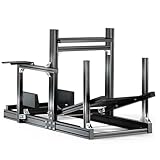
If you own your home and have a dedicated space—such as a spare bedroom, a finished basement, or a home office—there is no reason to compromise. A high-quality direct drive wheel base mounted to a permanent, heavy-duty steel extrusion cockpit is the ultimate setup. You can route all cables cleanly through the frame, anchor the rig securely to the floor, and enjoy a premium, commercial-grade simulator experience that is always ready to run. In a dedicated space, the longevity, silence, and absolute realism of direct drive make it the undisputed winner.
FAQ
Can I mount a direct drive wheel base to a standard wooden office desk?
Yes, but with caveats. An entry-level direct drive wheel base operating under 5 Nm of torque can be safely clamped to a thick, solid wood or metal-framed desk. However, you should avoid mounting any direct drive wheel to hollow-core desks (like cheap honeycomb cardboard desks) or glass-top desks, as the concentrated vibrations and torque spikes can easily crack the materials or cause severe wobble.
Do direct drive wheels get hot during long racing sessions?
Direct drive wheels act as their own heatsinks, meaning the aluminum body of the wheel base absorbs and dissipates heat directly from the motor. It is completely normal for a direct drive base to feel warm to the touch (up to 110 to 130 degrees Fahrenheit) after an hour of intense racing. Premium systems have built-in thermal protection to automatically throttle performance if the unit gets too hot, though this is rare in normal home environments.
Are belt drive wheel bases obsolete?
Not at all. While direct drive has captured the enthusiast market, belt-driven bases remain a vital entry point for budget-conscious racers and those who need a lightweight, highly portable setup. They offer a level of smoothness and force feedback quality that far surpasses cheap gear-driven wheels, making them an excellent mid-tier option for casual home gaming.
How do I stop my pedals from sliding if I do not have a full cockpit?
If you are using a standalone wheel base clamped to a desk, your pedals will likely slide when you press the brakes. To prevent this, you can place a non-slip rubber mat under the pedals, brace them against a wall, or mount them to a dedicated, low-profile frame like a folding wheel stand. This keeps the pedals locked in place relative to your chair, ensuring a consistent and comfortable driving position.