Key takeaways
- Buy a home console if you mostly play on a TV, want the strongest graphics and the widest library of big releases, and sit down for longer sessions.
Buy a home console if you mostly play on a TV, want the strongest graphics and the widest library of big releases, and sit down for longer sessions. Buy a handheld if you play in short bursts, travel, commute, or share the living room TV with others and still want your own screen. Plenty of households end up with one of each, but if you can only pick one, your daily routine should decide.
The comparison used to be simple: consoles were powerful and handhelds were limited. In 2026 the gap has narrowed, and some handhelds now run demanding titles while some consoles offer portable modes. That makes the real questions about where you play, what you play, and how much you want to spend on accessories and subscriptions over time.
What You Actually Give Up With Each Choice
A home console gives up portability. It needs a TV or monitor, a power outlet, and a spot near a network connection if you want online play. In return you get stronger cooling, larger controllers, and usually the highest graphical settings.
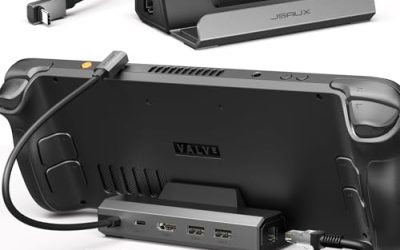
A handheld gives up some raw performance and, usually, screen size. In return you get a built-in display, a battery, and freedom to play anywhere. Many handhelds also output to a TV through a dock or cable, which narrows the gap if you want both modes.
Side-by-Side Comparison
| Factor | Home Console | Handheld |
|---|---|---|
| Graphics and performance | Higher ceiling, best for big releases | Lower on average, tuned for smaller screens |
| Portability | Fixed to a TV setup | Play anywhere, battery limited |
| Screen | Whatever TV you own | Built in, small to medium size |
| Controllers | Full-size, many players at once | Integrated; extra controllers may be needed for couch play |
| Library | Large catalog of big-budget titles | Strong for indies, older games and portable-friendly titles |
| Storage | Often larger, expandable | Smaller; memory cards common |
| Battery | Not applicable | Hours of play, drops with demanding games |
| Typical total cost | Console plus TV plus games | Handheld plus card and case |
Match the Device to Your Life
If You Play on the Couch
A home console is the straightforward answer. You get full-size controllers, easy local multiplayer, and the best chance of running new releases at high settings. If the main purpose is relaxing in front of a large screen with friends or family, a console fits better than a handheld dock setup.
If You Commute or Travel
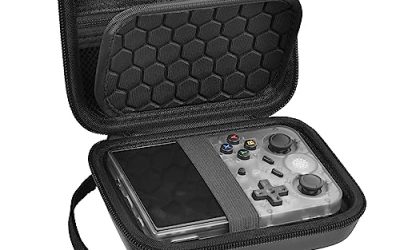
A handheld wins for trains, flights and hotel rooms. Check the listed battery life for the kind of games you play, since demanding titles drain it faster. A sturdy case, a portable charger and a memory card for downloads make the experience smoother on the move.
If You Share a TV
Households with one TV often find that a handheld avoids scheduling fights. A player can continue a game in bed or at the kitchen table while others watch shows. If you share space with roommates or children, this flexibility is a practical benefit.
If You Care About Specific Games
Library matters more than hardware. Check which platform hosts the series you want, whether those games run on handhelds at acceptable quality, and whether they require a particular subscription for online play. Exclusive titles, cross-play options and backward compatibility can swing the decision more than raw specs do.
Comfort, Screens and Sound
The display is where the two diverge most in daily use. A TV offers a large picture that suits cinematic games and group play, and paired with a soundbar or headset it feels immersive. A handheld screen is small, but pixel density can be high, so text and detail still look sharp at arm’s length. Check whether the handheld uses an LCD or OLED panel and how bright it gets, since glare matters in a train or by a window.
Sound is similar. Handheld speakers are fine for casual play, but most owners pair them with wireless earbuds or a wired headset in public. Consoles let you use the TV speakers, a home theater system or any headset, so you have more choices without changing your setup.
Ergonomics deserve a moment of thought. Heavier handhelds can strain wrists after an hour, and some players add grips or stands. Full-size console controllers are generally easier on larger hands during long sessions, while smaller hands may prefer compact designs. If you can hold either device in a store, do so before deciding.
Online Play, Subscriptions and Game Libraries
Online features differ across platforms. Some require a paid subscription for multiplayer, cloud saves or monthly game catalogs, while others offer free online play with optional extras. Check what the games you want require, since a subscription can add up over a year. Digital game libraries tie purchases to an account, so consider whether you are comfortable with that or prefer physical discs and cartridges you can resell.
Backward compatibility is another practical point. If you own older games, verify that the new device can play them, whether through discs, downloads or a remastered store listing. Cross-platform saves and cross-play also affect how easily you can switch between handheld and home console later.
Costs Beyond the Device
Hidden costs shape the total more than the sticker. Consoles often need a second controller for multiplayer, extra storage for large installs, and a subscription for online play. Handhelds often need a memory card, a protective case, a screen protector and sometimes a dock. Games themselves may be cheaper or pricier depending on platform sales and used-market availability, so compare the libraries you care about, not just the hardware.
Consider the lifespan too. Consoles tend to be supported for years on a fixed hardware generation, while handhelds may move faster as manufacturers refresh models. Neither is wrong; just factor in how often you plan to upgrade.
Before You Buy Checklist
- List the five games you most want to play and check platform availability.
- Note where you play: TV room, bed, commute, travel or all of these.
- Check whether the handheld can output to a TV and what accessories are needed.
- Look at storage size and expansion options.
- Add the cost of a subscription, a second controller, cards and a case to your budget tier.
- Confirm the return policy and warranty.
A Quick Way to Decide
Imagine your typical week. If most play happens in one room in front of a TV for an hour or more at a time, a home console delivers the better experience. If play is scattered into short windows on the go, in bed or in shared rooms, a handheld fits better. If both describe you, choose the one that matches your most frequent session and keep the other in mind for a future purchase.
Also think about who else will use it. Families often prefer a console for couch co-op and a handheld for travel or individual play. Single players with limited space may be happiest with a handheld that docks to a TV occasionally.
Common Mistakes
A frequent mistake is buying a handheld for the TV and then being disappointed by weaker visuals, or buying a console for travel and finding it impractical. Another is ignoring storage: modern installs are large, and a small drive fills quickly.
Shoppers also forget that comfort matters. Long sessions on a small device can tire hands, so look at grip shape, weight and button layout. Finally, avoid buying only on a launch hype wave; compare libraries and total costs before deciding.
Related guides
- Gaming Headset Noise Isolation Vs Active Noise Cancellation
- Does Gaming Headset Noise Cancellation Work On Microphone
- Trackir Vs Vr Vs Webcam Head Tracking For Flight Sims
Frequently Asked Questions
Is a handheld cheaper than a home console?
Not always. The device itself may be priced similarly, but a handheld needs a case and memory card, while a console needs a TV and extra controllers. Compare total setup cost within your budget tier.
Can a handheld replace a console completely?
For many players, yes, particularly if you favor indies, older titles and portable play. If you want the highest graphics and big-budget releases at maximum settings, a home console still has the edge.
Do handhelds play on a TV?
Many do through a dock or a video cable, but docked performance and controller needs vary. Check the listing for output options and whether a separate controller is required.
Is it worth buying both?
If your budget allows, owning both covers every situation. Otherwise start with the one that matches the place you play most often and revisit the second choice later.
FAQ
Is a handheld cheaper than a home console?
Can a handheld replace a console completely?
Do handhelds play on a TV?
Is it worth buying both?
More from Amazon
Programs that pair well with the guide above. Offers and eligibility are set by Amazon and may change.
Free shipping on eligible items, Prime Video and more. Eligible new members can start with a free trial.
Start a Prime free trialAd-free music streaming. Eligible new subscribers can start with a free trial.
Try Music Unlimited freeA Prime membership for ages 18-24 with a trial period. Eligibility is set by Amazon.
See Prime for Young AdultsAudiobooks and podcasts to listen to on the go. Eligible new members can start with a free trial.
Try Audible freeAs an Amazon Associate we earn from qualifying purchases.