Key takeaways
- Pro: DDR5 performance and capacity continue to improve.
- Pro: Informed, well-timed buyers can still find fair deals.
- Pro: Understanding supply trends helps you avoid overpaying.
What's inside
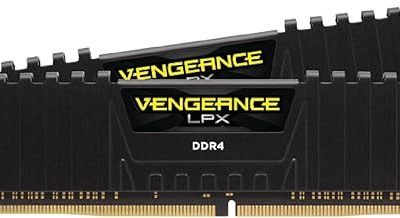
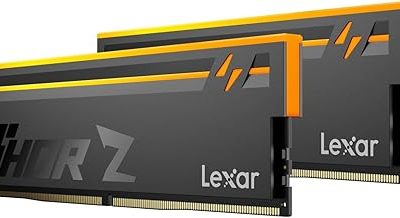
If you’ve priced out a memory upgrade lately, you’ve felt the “RAM crisis” firsthand. Surging demand from AI data centers, tightened manufacturing capacity, and shifting supply priorities have sent DDR5 prices climbing, leaving PC builders and gamers staring at figures that would have seemed unthinkable a year ago. Understanding the crisis is the first step to navigating it smartly.
This guide breaks down what’s driving memory prices upward, how it affects your buying decisions, and the practical strategies that help you build or upgrade without overpaying. Below we cover the landscape and the resources worth consulting before you commit.
As an Amazon Associate we earn from qualifying purchases at no extra cost to you. Product prices and availability are accurate as of the date shown and are subject to change.




🎮 Get More From Your Setup — Free
Prime Gaming gives you free PC games every month, in-game loot, and a free Twitch channel sub — plus fast free shipping on all the gear above. New members get a 30-day free trial.
Watch: Ram Crisis: Review & Buyer’s Guide — Video Review
Design & Build
The RAM crisis isn’t a single event so much as a squeeze on the entire memory supply chain. Manufacturers have redirected fabrication capacity toward high-margin data-center and AI memory, thinning the supply of consumer DDR5 modules just as adoption of the standard hit its stride. The result is a market where pricing swings week to week, and where planning, timing, and knowledge matter as much as picking the right kit. For anyone building a PC, treating memory as a strategic purchase rather than an afterthought is the new reality, and a little research into supply trends and preparedness goes a long way.
Performance
The frustrating irony is that memory itself has never performed better, DDR5 speeds and capacities keep climbing even as prices do. For gamers, the practical takeaway is that 16GB remains a solid baseline and 32GB is the comfortable target, so there’s little reason to overspend on exotic high-capacity kits during a price spike. Timing your purchase around dips, watching for restocks, and buying only the capacity you genuinely need are the moves that protect your budget. The literature on crisis management and preparedness, while broad, reinforces a simple principle that applies here: those who plan ahead and stay informed weather shortages far better than those who panic-buy.
Pros & Cons
- Pro: DDR5 performance and capacity continue to improve.
- Pro: Informed, well-timed buyers can still find fair deals.
- Pro: Understanding supply trends helps you avoid overpaying.
- Con: Prices are volatile and can rise with little warning.
- Con: Availability of specific kits fluctuates unpredictably.
Alternatives to Consider
If DDR5 pricing feels prohibitive, consider whether your current build genuinely needs an upgrade now or whether you can wait for supply to stabilize. Buyers assembling a new system might weigh a platform that offers strong value at 16GB rather than stretching for 32GB during a spike. Keeping an eye on preparedness and planning resources, and treating memory purchases with the same forethought you’d apply to any crisis, helps you make a level-headed decision rather than an emotional one.
Frequently Asked Questions
Why are RAM prices so high right now?
Manufacturers have shifted capacity toward AI and data-center memory, tightening consumer DDR5 supply just as demand grew, which pushes prices up across the board.
Should I buy RAM now or wait?
If your system works fine, waiting for supply to stabilize can save money. If you need memory for a build now, buy only the capacity you require and watch for restocks and dips.
How much RAM do I actually need for gaming?
16GB remains a solid baseline and 32GB is the comfortable target for gaming and multitasking. There’s rarely a reason to buy beyond that during a price spike.
Will memory prices come back down?
Historically, memory markets are cyclical and prices ease as capacity rebalances, though the timing depends on how quickly manufacturers shift supply back toward consumer modules.
Verdict
The RAM crisis rewards patience and information over impulse. Buy the capacity you truly need, time your purchase around dips, and treat memory as a considered decision. With a level head and a bit of planning, you can still build a strong system without letting the market dictate your budget.