
Key takeaways
- Table of Contents 7 sections 12 min read 1 Quick Verdict 2 Side by Side 3 Where Load Cell Wins 4 Where Potentiometers Sim Racing Pedals Wins 5 Cost Over 5 Years 6 Which One for Your Home 6.1 Small…
What's inside
Integrating a dedicated gaming setup into a modern home is a balancing act between performance, interior design, and spatial harmony. Gone are the days when gaming gear was hidden away in dark basements. In 2026, home entertainment and sim racing setups are frequently integrated directly into home offices, living rooms, and multi-purpose dens. When curated thoughtfully, a high-end racing simulator functions as a piece of functional industrial art. However, the hardware you choose dictates not only your virtual lap times but also the physical layout, noise levels, and structural requirements of your living space.
The most critical decision when building or upgrading a home racing rig centers on the pedal set, specifically the debate between load cell vs potentiometers sim racing pedals. While both options translate your foot movements into in-game braking, accelerating, and clutching, they rely on entirely different physical principles. One measures how far you push the pedal, while the other measures how hard you press it. This distinction affects your physical comfort, muscle memory, budget, and the type of furniture or mounting solutions your home can support.
As an Amazon Associate we earn from qualifying purchases at no extra cost to you. Product prices and availability are accurate as of the date shown and are subject to change.



For casual drivers using a standard office chair at a writing desk, a lightweight, plug-and-play solution is essential. For dedicated enthusiasts building a permanent cockpit, structural rigidity is the priority. Understanding how these mechanical systems interact with your home environment is key to making the right investment.
Quick Verdict
For most dedicated home setups where space and budget allow for a rigid stand or cockpit, load cell pedals are the superior choice. They measure force rather than distance, mimicking the feel of a real automotive braking system, which dramatically improves muscle memory and consistency. However, they require a sturdy, non-slip mounting solution and a chair that will not roll backward under heavy pressure.
If you live in a small apartment, rent your space, or prefer to play casually from a standard desk chair on wheels, potentiometer pedals are the more practical and cost-effective option. They require very little physical effort to operate, do not require a heavy-duty frame to remain stable, and keep your overall footprint minimal.
Side by Side
To help you visualize how these two technologies compare across various domestic and performance metrics, here is a detailed breakdown:
| Feature | Load Cell Pedals | Potentiometer Pedals |
|---|---|---|
| Physical Feel & Comfort | Stiff, highly realistic; requires significant physical pressure (up to 100 kg / 220 lbs of force). | Soft, travel-based; requires minimal physical effort to reach 100% input. |
| Durability & Lifespan | Excellent; solid-state sensor has no moving parts to wear out or collect dust. | Moderate; moving contacts can wear down, collect dust, and suffer from signal “spiking” over time. |
| Price Range | $180 to $600+ (high-end professional sets can exceed $1,000). | $80 to $200 (frequently bundled with entry-level steering wheels). |
| Maintenance Required | Virtually none; occasionally swapping elastomeric springs or bushings to adjust stiffness. | Regular cleaning with contact cleaner to remove household dust, pet dander, and carpet fibers. |
| Space & Mounting Needed | Requires a dedicated wheel stand, wheel stand chassis, or full cockpit bolted to the floor. | Can be placed directly on carpet or a hard floor; works with standard desk chairs. |
| Aesthetic & Look | Industrial, premium metal construction (steel or CNC aluminum); looks like high-end machinery. | Often features plastic housings and simpler metal pedals; looks more like a toy or consumer electronic. |
| Resale Value | High; retains value well among the enthusiast community. | Low to moderate; usually sold as part of a starter bundle with low individual value. |
| Best For | Serious enthusiasts, competitive sim racers, and dedicated game rooms. | Casual gamers, children, temporary setups, and space-conscious apartments. |
Where Load Cell Wins
The primary advantage of load cell technology lies in its reliance on pressure rather than physical travel distance. When you drive a real car, your brain does not calculate how many inches you push the brake pedal; instead, it remembers how hard you need to press to slow down for a corner. This is muscle memory at work, and it is far easier for the human brain to replicate force consistently than travel distance.
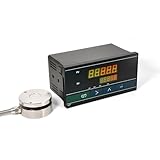
For those interested in the underlying mechanics, a basic load cell operates similarly to a ShangHJ 4 Sets Digital Load Cell Weight Sensor + HX711 ADC Module Weighing Sensor for Arduino DIY Portable Electronic Kitchen Scale Kit (5kg), which costs around $15.99 to measure minute changes in electrical resistance under physical pressure. In high-end sim racing, these sensors are scaled up dramatically, much like a heavy-duty industrial Load Cell Sensor with Indicator Display,Compression Force Weight Pressure Scale Sensor Two Sets of Relay Outputs Peak Recording (0-5T with Indicator) priced at $129, though adapted for human foot pressure rather than industrial tonnage. Under heavy braking, a load cell sensor barely moves, yet it reads the exact amount of force your leg applies, allowing you to modulate your braking trail with incredible precision.
Because there are no sliding electrical contacts inside a load cell, these pedals are incredibly durable. Dust, pet hair, and household debris cannot get inside a sealed load cell sensor to disrupt the signal. This makes them ideal for busy households where dust and pet dander are constant battles. Furthermore, the premium construction of these pedals—often utilizing heavy-duty steel or machined aluminum—adds a sophisticated, high-tech aesthetic to any room, elevating the look of your home gaming station.
Where Potentiometers Sim Racing Pedals Wins
While load cells offer unmatched realism, potentiometer pedals excel in accessibility, convenience, and low physical demands. A potentiometer is a variable resistor that measures the mechanical angle of the pedal arm as it swings through its arc. Because they only measure distance, they do not require stiff elastomeric dampers or heavy springs to function. This translates to a light, smooth pedal stroke that requires almost no physical effort to depress fully.
This light operation is a massive benefit if your home setup is temporary or integrated into a shared living space. Since you do not need to apply 50 to 100 pounds of force to stop your virtual car, you do not need to bolt the pedals to a heavy steel frame. You can place a set of potentiometer pedals directly on a rug, hardwood floor, or a simple plastic floor mat without worrying about them sliding away from you. This makes modular consumer kits like the Thrustmaster Raceline Pedals III Modular Sim Racing Pedals – PS5, XBOX & PC available for $169.99 an incredibly attractive option for living rooms where the gear must be packed away into a closet when guests arrive.
Additionally, potentiometer pedals are highly compatible out of the box with standard console ecosystems and require zero calibration or software tweaking. They are quiet, gentle on home flooring, and safe for younger family members who may not have the leg strength to operate a stiff, performance-oriented braking system.
Cost Over 5 Years
When planning a home budget, looking at the long-term cost of ownership is far more valuable than simply comparing upfront price tags. Over a five-year period, the financial and physical costs of these two systems diverge in surprising ways.
Potentiometer pedals are inexpensive initially, typically costing between $80 and $170. However, because they rely on wiping mechanical contacts, they are prone to wear and tear. Over five years in a standard home environment, dust and carpet fibers will inevitably enter the potentiometer housing, leading to signal “flicker” or failure. You will likely spend time cleaning them with compressed air and electrical contact cleaner every 6 to 12 months. By year three or four, you may need to replace the potentiometer sensors entirely or purchase a new pedal set, bringing your total five-year cost to around $150 to $250, along with several hours of maintenance labor.
Load cell pedals demand a higher upfront investment, usually starting around $200 and reaching well over $500 for professional-grade gear. However, their solid-state design means they virtually never wear out. Over five years, your maintenance cost is essentially zero. The hidden cost of a load cell, however, is the supporting furniture. Because you cannot use a heavy load cell pedal set on a loose carpet with a rolling office chair, you must invest in a rigid wheel stand, a pedal plate mount, or a dedicated cockpit. This structural support can add an extra $150 to $400 to your initial setup cost. If you eventual decide to upgrade further, you might even consider advanced hydraulic setups like the SIMSONN Plus X Racing Simulator Hydraulic Pedals Sim Racing Pedals Support Haptic Reactor (Plus X Black Baseplate) which retail for around $75 and offer a different kind of fluid resistance, but still require that same heavy-duty structural mounting.
In short: Potentiometers are cheaper upfront but require ongoing maintenance and have a shorter lifespan. Load cells are a lifetime investment but require a larger initial budget for both the pedals and the structural furniture needed to support them.
Which One for Your Home
Small Apartment
If you live in a cozy urban apartment where every square foot counts, space optimization is your top priority. In this scenario, potentiometer pedals are the clear winner. They can be placed under a standard writing desk, plugged in for a quick racing session, and then tucked away in a closet or under a bed when you are finished. They do not require a permanent, heavy steel cockpit that dominates your living room footprint. Furthermore, they operate silently, ensuring you do not disturb your neighbors or roommates with the heavy thumping sounds associated with high-pressure load cell braking.
Family with Kids and Pets
In a lively household with children and pets, safety, durability, and cleanliness are paramount. Here, a mid-range load cell set mounted to a simple, heavy-duty wheel stand is highly advantageous. Because load cell sensors are sealed, they are completely immune to the pet hair, dander, and spilled liquids that quickly ruin open potentiometer designs. Additionally, the heavy-duty metal construction of load cell pedals can easily withstand the rough play of children without bending or breaking. Just ensure the pedal force is calibrated via software to a lower setting so younger kids can safely operate the brakes without straining.
Rental Home
Renters must balance their love for hobbies with the necessity of preserving the property to secure their security deposit. Heavy load cell pedals require robust mounting, which can lead to scuffed baseboards, scratched hardwood floors, or indented carpets from heavy metal frames. If you choose a load cell in a rental, you must invest in protective flooring, such as thick interlocking rubber gym mats or a heavy-duty rug with a non-slip rubber backing. If you want to avoid the hassle of floor protection entirely, potentiometer pedals are much lighter, gentler on floors, and require no semi-permanent installation.
Long-Term Home
If you own your home and have a dedicated space—such as a spare bedroom, a finished basement, or a home office recess—a high-end load cell pedal set is the definitive choice. Having a permanent space allows you to install a dedicated, rigid steel cockpit that can easily handle the 100+ pounds of force required by professional-grade load cells. This setup becomes a permanent fixture of your home, acting as an impressive entertainment hub for family and guests while providing the ultimate, compromise-free simulation experience that will last for a decade or more.
FAQ
Do load cell pedals actually make you faster in racing games?
Yes, for the vast majority of drivers, load cell pedals will make you faster and more consistent. Because they rely on muscle memory (force) rather than spatial memory (distance), you can hit your braking targets lap after lap with much higher precision. This reduces lock-ups and helps you find the limit of grip much faster.
Can I use load cell pedals if my gaming chair has wheels?
It is highly discouraged. Because load cell brakes require significant physical force to depress, pushing the pedal will simply roll your office chair backward away from your desk. If you must use a rolling chair, you will need to secure the wheels using rubber caster cups, strap the chair to your wheel stand, or replace the casters with stationary bell glides.
How often do potentiometer pedals need to be cleaned?
In a typical home environment, potentiometer pedals should be cleaned every 6 to 12 months. If you have pets that shed or keep your pedals on a dusty carpet, you may need to clean them more frequently. Cleaning involves spraying a small amount of specialized electronic contact cleaner directly into the potentiometer housing while pivoting the pedal to clear out debris.
Are hydraulic pedals better than load cell pedals?
Hydraulic pedals offer the ultimate level of realism because they use actual fluid pressure to simulate a car’s brake caliper system. However, they are significantly more expensive, require occasional fluid maintenance, and carry a small risk of fluid leaks inside your home. For 95% of home users, a high-quality load cell pedal set provides a nearly identical feel with zero maintenance risk.


