
Key takeaways
- Initial Hardware Investment: Load cell pedals range from $150 to $600. Hydraulic systems start around $600 and can easily exceed $2,000 for professional-grade three-pedal sets.
- Rig Reinforcement: A load cell pedal set like the Logitech G RS or MOZA SRP2 can run comfortably on a mid-range wheel stand or a compact chassis costing $150 to $300. Hydraulic pedals require an ultra-rigid, zero-flex aluminum profile cockpit, which typically costs $500 to $1,200 to ensure the frame does not bend under extreme hydraulic pressure.
- Maintenance and Consumables: Load cells require almost no financial investment over five years—perhaps a $10 can of dry PTFE lubricant for the pivot points. Hydraulic systems require replacement O-rings, specialty hydraulic fluid, and bleeding kits, costing roughly $50 to $100 in maintenance supplies over five years, not including the value of your time spent servicing them.
- Depreciation and Resale: Load cell pedals hold their value well because they do not suffer from mechanical wear-and-tear of internal fluids. Hydraulics can depreciate faster if the buyer suspects the seals are worn or if the fluid has not been changed regularly.
What's inside
Integrating a high-end sim racing setup into a modern living space is no longer just about choosing the fastest graphics card or the widest monitor. For the design-conscious homeowner, the real challenge lies in the physical footprint, ergonomics, and acoustic impact of the hardware. The pedals you choose are the most physically demanding component of any simulator, requiring hundreds of pounds of force to operate. This pressure transfers directly into your flooring, your seating, and the structural integrity of your home furniture.
When choosing between hydraulic and load cell sim racing pedals, you are deciding between two fundamentally different engineering philosophies. Hydraulic pedals use fluid pressure to mimic the exact sensation of a real car’s braking system, while load cell pedals use electronic strain gauges to measure the physical force applied to a solid spring or elastomer stack. As we look ahead to the home design trends of 2026, the boundary between professional-grade simulation and domestic interior design is blurring. Buyers must carefully weigh how these mechanical systems affect noise levels, maintenance routines, aesthetic integration, and floor protection in their living spaces.
As an Amazon Associate we earn from qualifying purchases at no extra cost to you. Product prices and availability are accurate as of the date shown and are subject to change.


Quick Verdict
For the vast majority of home environments, load cell pedals are the superior choice. They offer outstanding muscle-memory accuracy, require virtually zero maintenance, present zero risk of fluid leaks on expensive carpets or hardwood floors, and are highly adjustable to fit diverse family needs. Hydraulic pedals should be reserved exclusively for dedicated, permanent simulation rooms with reinforced steel or aluminum rigs. While hydraulics offer unmatched realism, their high price, maintenance requirements, and potential for oil leaks make them poorly suited for multi-use living spaces.
Side by Side
To understand how these two pedal technologies compare in a domestic setting, review the architectural, physical, and financial breakdowns below.
| Feature | Hydraulic Pedals | Load Cell Pedals |
|---|---|---|
| Comfort & Feel | Highly realistic, smooth fluid damping, progressive resistance. | Stiff, muscle-memory focused, reliant on rubber elastomer compression. |
| Durability & Wear | High durability but seals, O-rings, and fluid degrade over time. | Exceptional; solid-state electronics with very few moving parts. |
| Price Range | $600 to $2,000+ | $150 to $600 |
| Maintenance | Regular bleeding, seal lubrication, and occasional fluid top-offs. | Occasional dusting and dry-lube on pivot points. |
| Space Needed | Requires a heavy, reinforced, permanent cockpit rig (approx. 60″ x 24″ footprint). | Can be mounted to wheel stands, light rigs, or compact under-desk plates. |
| Aesthetic Look | Industrial, mechanical, complex; often features exposed reservoirs and hoses. | Sleek, minimalist, compact, and easier to conceal in a room. |
| Resale Value | High for enthusiasts, but limited to a niche, high-end market. | Excellent; broad appeal and easy to ship due to lighter weight. |
| Best For | Dedicated home theater/sim rooms, professional training, ultimate realism. | Apartments, shared living rooms, rentals, and budget-conscious racers. |
Where Hydraulic Wins
Hydraulic sim racing pedals represent the absolute pinnacle of motorsport replication. In a real race car, the brake pedal is connected to a master cylinder that pushes hydraulic fluid through lines to compress brake calipers against a rotor. Hydraulic pedals copy this exact architecture using miniature master cylinders, slave cylinders, and fluid reservoirs right on your pedal deck.
The primary advantage of hydraulics is the hydraulic damping effect. When you press a hydraulic pedal, the resistance builds progressively as fluid is compressed, providing an incredibly smooth, organic feel that elastomers cannot perfectly replicate. There is no “mushiness” at the end of the pedal stroke; instead, you get a rock-solid, confidence-inspiring bite point that mimics a GT3 or Formula car down to the millimeter.
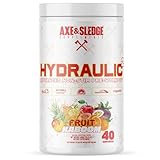
To consistently depress a high-resistance hydraulic pedal set during a two-hour endurance race, you need physical conditioning. Just as an athlete might prepare for a heavy workout session with Axe & Sledge Hydraulic Stim-Free Pre-Workout Powder for Men & Women | Performance, Stamina, Focus, Pumps | L-Citrulline, Beta Alanine, Creatine, Caffeine-Free, Deadlifts & Gummy Bears — price $54.99 or the Axe & Sledge Hydraulic Stim-Free Pre-Workout Powder for Men & Women | Performance, Stamina, Focus, Pumps | L-Citrulline, Beta Alanine, Creatine, Caffeine-Free, Fruit Kaboom — price $54.99, a sim racer using realistic hydraulic systems must be physically ready for the sustained effort required by 120 kg of brake force. If you have a dedicated room where you can bolt these pedals to a heavy-duty aluminum profile chassis, the immersion is unmatched. The mechanical aesthetic also serves as a striking visual centerpiece for industrial-themed home offices or dedicated game rooms.
Where Load Cell Sim Racing Pedals Wins
Load cell pedals are the undisputed champions of practicality, value, and reliability in the home. Instead of measuring how far the pedal travels, a load cell measures the physical pressure or weight applied to it. This closely mimics how human muscle memory works; your brain is far better at remembering how hard to press than how far to move your foot.
The biggest home-friendly advantage of load cells is their clean, dry operation. Because they use solid-state strain gauges and polyurethane elastomers to create resistance, there is zero risk of oily leaks on your hardwood floor, custom rugs, or baseboards. They are also significantly lighter and more compact than their hydraulic counterparts, meaning you do not need a massive, heavy steel rig to keep them in place.
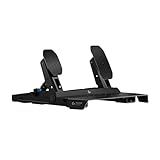
Additionally, load cell technology has become incredibly accessible. Entry-level to mid-range options like the Logitech G RS Sim Racing Pedals (with 75 kg Load Cell Brake) — price $149.99 offer a fantastic balance of pressure sensitivity without overwhelming your living space or your budget. Similarly, the MOZA SRP2 Pedals Set Throttle Brake Pedal Equipped With 100KG Load Cell — price $169.99 provides robust, high-weight-capacity pressure sensing at a price point that leaves room in your budget for a dedicated pedal plate or floor stand. These systems allow you to achieve professional-grade muscle memory training without the premium cost, bulk, or maintenance overhead of hydraulic lines.
Cost Over 5 Years
When planning a home media or gaming space, the total cost of ownership over a five-year horizon involves much more than the initial purchase price of the hardware.
- Initial Hardware Investment: Load cell pedals range from $150 to $600. Hydraulic systems start around $600 and can easily exceed $2,000 for professional-grade three-pedal sets.
- Rig Reinforcement: A load cell pedal set like the Logitech G RS or MOZA SRP2 can run comfortably on a mid-range wheel stand or a compact chassis costing $150 to $300. Hydraulic pedals require an ultra-rigid, zero-flex aluminum profile cockpit, which typically costs $500 to $1,200 to ensure the frame does not bend under extreme hydraulic pressure.
- Maintenance and Consumables: Load cells require almost no financial investment over five years—perhaps a $10 can of dry PTFE lubricant for the pivot points. Hydraulic systems require replacement O-rings, specialty hydraulic fluid, and bleeding kits, costing roughly $50 to $100 in maintenance supplies over five years, not including the value of your time spent servicing them.
- Depreciation and Resale: Load cell pedals hold their value well because they do not suffer from mechanical wear-and-tear of internal fluids. Hydraulics can depreciate faster if the buyer suspects the seals are worn or if the fluid has not been changed regularly.
Which One for Your Home?
Small Apartment
If you live in a small apartment or a studio loft, space and noise management are your top priorities. Load cell pedals are the clear winner here. Their compact footprint (typically around 12″ x 14″ for a pedal deck) allows them to be tucked under a desk or mounted to a folding wheel stand that can be stored in a closet when guests arrive. They do not require a massive, permanent metal rig that dominates your floor plan, and they operate silently without the subtle “squish” or mechanical clatter of hydraulic cylinders.
Family with Kids or Pets
In a home with curious toddlers or pets, safety and cleanliness are paramount. Hydraulic pedals present a distinct hazard: they contain pressurized mineral oil or brake fluid. A curious child playing with the adjustment knobs or a pet chewing on a hydraulic hose could lead to toxic fluid leaks, ruined carpets, or damaged components. Load cell pedals are completely dry, solid-state electronics. They have fewer pinch points, no toxic fluids, and are incredibly robust, meaning they can easily withstand a child stepping on them or a pet bumping into the rig.
Rental Property
Renters must avoid damaging floors and walls to secure their security deposits. Because hydraulic pedals require extreme force to operate, they must be bolted to a heavy frame. If that frame shifts, it can deeply scratch hardwood floors or tear carpet fibers. Furthermore, any leak of hydraulic oil will permanently stain building-standard carpets or seep into wood floor joints. Load cell pedals, operating at lower physical weight limits or mounted to rubber-footed floor plates, protect your rental property from structural stress and chemical stains.
Long-Term Home
If you own your home and have a dedicated space—such as a finished basement, a spare bedroom, or a designated home theater room—you have the luxury of choosing based purely on performance. In this scenario, hydraulic pedals are highly attractive. You can build a permanent, beautiful aluminum profile simulator rig, route the cables neatly through the walls or cable tracks, and enjoy the absolute pinnacle of racing realism without worrying about moving the setup or damaging temporary flooring. It becomes a permanent, high-tech installation that adds to the home’s entertainment value.
FAQ
Do hydraulic sim pedals leak?
Yes, hydraulic sim pedals can leak over time. Just like the brake systems on real cars, the rubber O-rings, gaskets, and seals inside the master and slave cylinders can degrade, dry out, or wear down with heavy use. Regular maintenance and seal lubrication are required to prevent slow fluid weeps from staining your floor or rig.
Can I use load cell pedals on a standard office chair?
It is highly discouraged. Because load cell brakes measure pressure rather than distance, you must press them with significant force (often 50 kg to 100 kg of pressure). If you use a standard wheeled office chair on a hard floor, pressing the pedal will simply push your chair backward away from your desk. You will need to lock the wheels, place the chair in heavy rubber cups, or strap the chair directly to the pedal stand.
Are hydraulic pedals louder than load cell pedals?
Hydraulic pedals are generally very quiet, but they do make a distinct mechanical sound. You may hear the subtle squish of fluid passing through valves, along with the metallic clunk of the pedal returning to its stop. Load cell pedals make noise when the metal pedal arm hits the rubber elastomers, which can be dampened using foam pads or soft bump stops.
How long do the elastomers on load cell pedals last?
Polyurethane elastomers used in load cell pedals are incredibly durable, but they will slowly compress and lose some of their elasticity over three to five years of heavy use. Fortunately, replacement elastomer kits are inexpensive (typically $10 to $30) and can be swapped out in less than five minutes to restore a brand-new pedal feel.


