Key takeaways
- Table of Contents 7 sections 10 min read 1 Quick Verdict 2 Side by Side 3 Where Bucket Seat Wins 4 Where Recliner for Sim Racing Rig Wins 5 Cost Over 5 Years 6 Which One for Your Home 6.1…
What's inside
Sim racing has officially transitioned from a niche hobby tucked away in spare closets to a mainstream home entertainment staple. As we design modern living spaces and dedicated game rooms in 2026, a major design and ergonomic dilemma faces every coordinator of a home setup: the battle of the bucket seat vs recliner for sim racing rig.
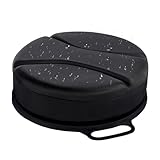
Choosing the right seat isn’t just about comfort; it directly impacts your driving performance, posture, and how well the rig integrates into your home’s aesthetic. In the sim racing community, a “bucket seat” refers to a rigid, single-piece racing shell designed to lock the driver in place. This is distinct from outdoor utility gear like the WarBull Bucket Seat 5 Gallon ($22.99) or the Presentastic 5 Gallon Bucket Seat ($38.99), which are excellent for mobile outdoor activities like ice fishing or camping but lack the structural mountings required for high-torque racing. Instead, a true sim racing bucket seat is a molded fiberglass or carbon-fiber unit. Conversely, a recliner in this context can refer to an adjustable sports seat with a reclining backrest, or a modified luxury armchair integrated into a custom chassis.
As an Amazon Associate we earn from qualifying purchases at no extra cost to you. Product prices and availability are accurate as of the date shown and are subject to change.



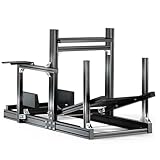
Whether you are pairing your seat with a minimalist chassis like the Conquer Racing Simulator Cockpit ($169) or a heavy-duty frame like the CAMMOO High Compatible Sim Racing Cockpit with Monitor Mount Fits Handbrake ($329.99), your choice of seat will dictate your daily comfort and your lap times. Let’s break down which option deserves a permanent spot in your home.
Quick Verdict
If your priority is absolute realism, zero flex under heavy braking, and a compact footprint, choose a fixed-back bucket seat. It is the only way to properly utilize high-end load-cell pedals without losing energy to seat flex. However, if your rig is a multi-user station, doubles as a casual gaming setup, or you suffer from lower back stiffness during sessions lasting over two hours, a reclining seat is the superior choice for your home.
Side by Side
To help you visualize how these two seating styles stack up, here is a direct comparison of their key physical and practical attributes:
| Feature | Fixed-Back Bucket Seat | Reclining Sim Seat / Sports Recliner |
|---|---|---|
| Comfort (Short Sessions) | Excellent (highly supportive, body-hugging) | Excellent (plush and accommodating) |
| Comfort (Long Sessions) | Can cause hip and shoulder fatigue for some | Superior (adjustable lumbar and back angle) |
| Durability under High Brake Force | Outstanding (zero structural flex) | Moderate (reclining hinge can develop slight play) |
| Price Range | $250 to $800+ | $180 to $500 |
| Maintenance | Very low (wipe-down or removable pads) | Moderate (moving parts may require lubrication) |
| Space Needed | Compact (narrow profile, fits tight corners) | Larger (requires clearance to recline backward) |
| Visual Appeal in Home | Sleek, high-tech, minimalist motorsport look | Subdued, matches standard office/home furniture better |
| Adjustability | Limited (requires tools/brackets to tilt or slide) | High (quick-release handle for instant angle changes) |
| Resale Value | High (highly sought after by competitive racers) | Moderate (wear on mechanical joints reduces value) |
| Best For | Hardcore racers, VR users, load-cell pedal setups | Casual racers, multi-user households, console setups |
Where Bucket Seat Wins
The primary advantage of a fixed-back bucket seat is structural rigidity. When you step on a high-end load-cell brake pedal, you can easily exert over 150 pounds of force. In a reclining seat, a portion of that energy is wasted because the backrest flexes backward at the hinge. A fixed-back bucket seat, molded from a single piece of fiberglass or carbon fiber, has no moving parts. Every ounce of force you apply goes directly into the pedals, resulting in faster muscle memory development and more consistent lap times.
Ergonomically, a bucket seat distributes body weight evenly across your thighs, buttocks, and spine. Because these seats are designed to mimic real race cars, they force you into an active, focused driving posture. This posture reduces tailbone pressure by angling your hips slightly downward and backward.
From a spatial and design standpoint, bucket seats are incredibly space-efficient. They boast a narrow shoulder and hip width (typically 20 to 22 inches wide), making them ideal for compact setups like the folding Conquer Racing Simulator Cockpit. They also lack the bulky internal steel frames and padding of recliners, keeping the overall weight of your rig low and making it easier to slide or move when cleaning your room.
Where Recliner for Sim Racing Rig Wins
While bucket seats excel in rigidity, they demand a compromise in daily usability. This is where the recliner shines. The most significant advantage of a reclining seat is its adaptability. If you share your sim rig with family members, partners, or friends of different heights and body shapes, a fixed bucket seat can quickly become a source of frustration. A reclining seat allows users to instantly adjust the backrest angle, accommodating different spine curvatures and personal comfort preferences without requiring hex keys or bracket adjustments.
Furthermore, entry and exit are vastly easier in a reclining seat. Fixed bucket seats feature high lateral thigh and kidney bolsters designed to keep you from sliding sideways under high G-forces—forces that do not actually exist in home sim racing unless you own an expensive motion platform. Climbing over these stiff, high bolsters can be tough on your knees and back. Recliners feature shallower side bolsters, allowing you to swing your legs out and stand up effortlessly.
Finally, a recliner is highly versatile. If you use your rig for flying simulators, casual truck driving games, or even standard PC gaming and desk work, the ability to tilt back and relax is a luxury a fixed bucket seat simply cannot offer. It blends more naturally into a home environment, looking less like a piece of specialized laboratory equipment and more like premium study furniture.
Cost Over 5 Years
When budgeting for a home sim rig, looking at the long-term cost of ownership is essential. A high-quality fixed-back bucket seat typically costs between $250 and $600 initially. Because it has no mechanical hinges, springs, or adjustment gears, there is virtually nothing to break. Over a five-year period, your only maintenance cost will be occasionally washing the removable fabric pads or replacing them if they wear thin. The structural shell itself will easily last a decade, retaining up to 60% of its retail value on the used market.
A reclining sports seat generally carries a lower entry price, ranging from $180 to $400. However, the cost over five years can tell a different story. Under the repetitive stress of heavy braking, the internal reclining mechanism can develop “play” or wiggle room. This mechanical wear leads to annoying squeaks and a loss of precision. In many cases, budget recliners need to be replaced after three to four years of heavy use, meaning you may end up purchasing two seats over a five-year cycle. If you opt for a premium recliner to avoid this, your initial cost will match or exceed that of a high-end bucket seat.
Which One for Your Home
Small Apartment
For tight living spaces, spatial efficiency is king. A fixed-back bucket seat is the clear winner here. Its slim profile and lack of rear overhang mean you can push your rig closer to walls or tuck it into a corner. Because it doesn’t need clearance behind the seat to recline, you save valuable floor space. If you are pairing it with a portable frame, the lower weight of a bucket seat makes the entire setup much easier to fold up and store in a closet.
Family with Kids and Pets
In a bustling family household, the reclining seat is the practical choice. Children, teens, and adults can all find a comfortable driving position in seconds. Pet hair and spilled drinks are also easier to clean out of the shallow crevices of a reclining seat compared to the deep, narrow pocket of a racing bucket. Opt for a recliner upholstered in synthetic leather or easy-wipe vinyl to keep maintenance stress-free.
Rental Home or Apartment
If you live in a rental, noise control and floor protection are major considerations. The absolute rigidity of a fixed bucket seat means that any vibrations from tactile transducers (bass shakers) or high-torque direct-drive wheels are transferred directly down through the chassis to the floor. A reclining seat, with its internal padding and mechanical joints, naturally dampens some of these vibrations, making your gaming sessions quieter for downstairs neighbors.
Long-Term Home with Dedicated Sim Room
If you are building a dedicated home entertainment space or “man cave” with a permanent chassis like the CAMMOO High Compatible Sim Racing Cockpit, go with the fixed-back bucket seat. In a dedicated room, you don’t need to compromise on aesthetics or performance. A real racing bucket mounted to an aluminum profile rig creates a stunning focal point, offering the ultimate level of immersion and professional-grade performance that matches the beauty of a custom-built home theater or gaming studio.
FAQ
Do I need a bucket seat if I don’t use load-cell pedals?
No. If you are using standard potentiometer pedals (like those included with entry-level Logitech or Thrustmaster wheels), the pedal resistance is light enough that seat flex is not an issue. In this case, a reclining seat will offer plenty of stability while providing superior comfort.
Can I mount a real car seat from a junkyard to my sim rig?
Yes, this is a highly popular and budget-friendly option. Real passenger car seats (especially from sports cars) offer incredible comfort, built-in sliders, and high-quality reclining mechanisms. However, they are heavy, require custom mounting brackets, and can be difficult to clean thoroughly before bringing them into your home.
Are bucket seats bad for your back during long gaming sessions?
Not necessarily, but they require precise setup. Because bucket seats have a fixed angle, you must adjust the tilt of the entire seat using your mounting brackets to find the correct lumbar support. If set up incorrectly, they can cause lower back strain. Recliners are far more forgiving because you can adjust the angle on the fly as your body tires.
How much space do I need to clear for a reclining sim seat?
You should plan for at least 8 to 12 inches of clearance behind the seat’s upright position. This ensures that when you or another user tilts the backrest for a more relaxed driving position, it won’t scuff your drywall or collide with nearby furniture.