Key takeaways
- Table of Contents 7 sections 11 min read 1 Quick Verdict 2 Side by Side 3 Where Desk Mount Wins 4 Where Dedicated Rig for Flight Sim Wins 5 Cost Over 5 Years 6 Which One for Your Home 6.1…
What's inside
For flight simulation enthusiasts, the dream of taking to virtual skies often collides with the physical reality of the living room, spare bedroom, or home office. When you decide to move past a simple joystick sitting loosely on your desktop, you face a major structural decision: the desk mount vs dedicated rig for flight sim setup.
This is not just a question of budget; it is a fundamental choice about how you use your living space. Do you want a multi-purpose room where your flight gear can be clamped on and tucked away in minutes? Or do you want a permanent, heavy-duty cockpit that claims its own physical real estate but offers unmatched structural rigidity? As we look at the design and layout of modern home gaming setups in 2026, balancing ergonomics, interior aesthetics, and mechanical stability has never been more critical.
As an Amazon Associate we earn from qualifying purchases at no extra cost to you. Product prices and availability are accurate as of the date shown and are subject to change.


Quick Verdict
If your flight simulation time must share space with remote work, school, or general home activities, desk mounts are the clear winner. They offer excellent space efficiency, quick disassembly, and a low entry cost. However, if you are using high-end, high-torque peripherals—such as heavy force-feedback yokes or stiff hydraulic rudder pedals—a dedicated rig is indispensable. The dedicated rig eliminates physical flex, keeps your posture ergonomically perfect, and provides a permanent, immersive sanctuary, provided you have at least 15 to 20 square feet of dedicated floor space to spare.
Side by Side
To help you visualize how these two approaches compare across key household and performance metrics, here is a direct breakdown:
| Feature | Desk Mount Setup | Dedicated Flight Sim Rig |
|---|---|---|
| Comfort & Ergonomics | Moderate; limited by your existing office chair and desk height. | Excellent; fully adjustable automotive-style seat and angled mounts. |
| Durability & Rigidity | Moderate; prone to slight desk flex or mount slippage under heavy force. | High to Extreme; welded steel or heavy aluminum profiles prevent all movement. |
| Price Range | $50 to $250 (mounts only; excludes desk and chair). | $400 to $1,800+ (includes chassis and integrated seat). |
| Maintenance & Setup | High day-to-day effort; requires clamping, unclamping, and cable routing. | Low day-to-day; high initial assembly time (3 to 6 hours). |
| Space Needed | Zero extra footprint; utilizes your existing desk space. | Approx. 55″ x 25″ to 65″ x 30″ of permanent floor space. |
| Aesthetics & Room Integration | Discreet; gear can be stored in closets to keep the room looking clean. | Industrial/Aggressive; dominates the room’s visual profile. |
| Resale Value | Low; brackets and clamps lose value quickly and are cheap to replace. | Moderate to High; solid metal frames and simulator seats hold value well. |
| Best For | Casual pilots, hybrid home offices, renters, and budget-conscious users. | Hardcore enthusiasts, VR pilots, and those with dedicated game rooms. |
Where Desk Mount Wins
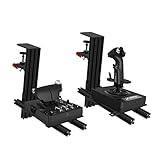
The primary advantage of choosing a desk mount for your flight sim setup is spatial and financial flexibility. Desk mounts typically clamp onto the edge of your existing wooden or metal desk, suspended lower than the desktop surface to place your Hands On Throttle-And-Stick (HOTAS) or yoke at a natural elbow height. This instantly transforms a standard workspace into a functional cockpit without sacrificing the desk’s primary utility.
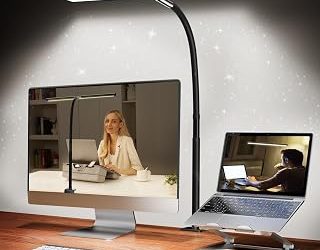
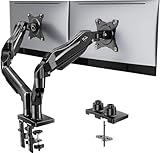
For those who use their desks for work during the day, a desk mount system can be removed in under two minutes. This keeps your home office looking professional and clutter-free. Furthermore, desk mounts allow you to optimize your existing screen setup. For instance, you can use a high-quality monitor arm like the ErGear Single Monitor Arm to hover your main display directly over your flight yoke, or deploy the HUANUO FlowLift™ Dual Monitor Stand to hold a dual-screen arrangement—displaying your main flight view on one screen and your navigation charts, flight plans, or ATC communications on the other.
From a financial perspective, desk mounts are incredibly approachable. High-quality aluminum extrusion or steel plates cost a fraction of a full chassis. You do not need to purchase a separate seat, a massive frame, or dedicated cable management runs. If you decide to step away from the hobby, your total sunk cost is minimal, and your home office remains completely intact.
Where Dedicated Rig for Flight Sim Wins
While desk mounts are highly practical, they introduce mechanical compromises. When you pull back on a heavy yoke or stamp down on rudder pedals, a standard office desk can flex, creak, or slide across the floor. This is where a dedicated flight sim rig becomes a game-changer.
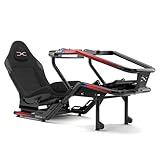
A dedicated rig offers unmatched structural rigidity. Built from heavy steel tubing or industrial T-slot aluminum profiles, these rigs are designed to handle immense physical forces without a millimeter of play. This stability is crucial for muscle memory; when your controls are bolted to a rigid frame, every micro-adjustment you make translates perfectly into the simulator. For example, mid-range frames like the Thermaltake GR300 Racing Simulator Cockpit provide built-in, adjustable pedal and wheel mounts that prevent your gear from sliding away under heavy braking or rudder inputs. For those seeking the absolute pinnacle of structural design, high-end options like the Extreme Simracing FX1 Formula Sim Racing Rig Chassis Cockpit offer a completely locked-in, professional-grade platform that can support heavy force-feedback systems without shaking your monitors or rattling your floorboards.
Ergonomics are also vastly superior in a dedicated rig. Standard office chairs are designed for upright typing, which can lead to lower back strain during three-hour cross-country virtual flights. Dedicated rigs feature angled, bucket-style seats that distribute your body weight evenly, placing your feet, knees, and hands in the exact ergonomic geometry of a real general aviation aircraft, airliner, or fighter jet cockpit. Once your controls are calibrated and bolted down, they stay that way—no more plugging in cables, adjusting clamp heights, or centering your chair every time you want to fly.
Cost Over 5 Years
When choosing between a desk mount and a dedicated rig, looking at the initial purchase price only tells half the story. The true cost of ownership over five years reveals a more nuanced picture of wear, tear, and upgrades.
A desk mount path starts cheap but can incur hidden costs. Standard office desks are rarely designed to handle the localized clamping forces of heavy metal mounts. Over five years, repeated clamping can strip laminate finishes, crack particle board, or bend thin wooden table tops. Additionally, because you are using a standard office chair, the caster wheels will constantly roll backward when you press your rudder pedals. To fix this, you will likely need to invest in locking casters, heavy-duty floor mats, or wheel cups, which add to the overall cost. If a cheap desk eventually fails under the stress of heavy flight controls, replacing a mid-range desk can easily add $200 to $400 to your long-term tally.
Conversely, a dedicated rig has a high upfront cost but boasts incredible longevity. A steel or aluminum chassis suffers virtually zero wear and tear over half a decade of use. The seats, often covered in durable PVC or automotive-grade fabric, are designed to last for years of daily use. While you might pay anywhere from $450 for a solid entry-level frame to $1,600 for a premium chassis, that investment protects your other household furniture from damage. Furthermore, high-quality rigs retain their resale value remarkably well within the simulation community, often fetching 60% to 70% of their original retail price on the secondhand market if you ever decide to upgrade or retire from the hobby.
Which One for Your Home
Every home has its own unique spatial boundaries, noise tolerances, and aesthetic guidelines. Here is how to choose the right setup based on your specific living situation:
Small Apartment (Under 800 sq. ft.)
In a compact living space, floor space is at an absolute premium. A dedicated rig will quickly make a small living room or bedroom feel cramped and difficult to navigate. For renters or those in small apartments, desk mounts are the logical choice. They can be clamped onto a multi-use dining table or work desk and stored in a closet or under a bed when guests arrive, keeping your living area open and uncluttered.
Family with Kids or Pets
If you share your home with young children or active pets, safety and durability are paramount. A dedicated rig can be a tempting climbing frame for kids or a dust-and-fur magnet for pets. However, loose cables and heavy, clamped desk mounts can also present a safety hazard if pulled down. In this scenario, a dedicated rig placed in a lockable room or basement is the safest option, as it secures all heavy peripherals and hides dangerous cabling inside the frame. If you must use desk mounts in a shared space, ensure all cables are tightly managed and that the mounts are completely removed and stored out of reach when not in use.
Rental Properties
When you do not own your home, you must avoid permanent alterations and minimize the risk of damaging floors and walls. Heavy, steel-framed dedicated rigs can easily scratch hardwood floors or leave deep indentations in carpets over time due to their sheer weight (often exceeding 80 to 100 lbs without the pilot). While you can mitigate this with heavy rubber equipment mats, moving a massive rig out of a rental property during a lease transition is a grueling chore. Desk mounts offer a lightweight, highly portable alternative that leaves zero footprint behind when it is time to move.
Long-Term Home (with Dedicated Office or Game Room)
If you have a permanent home with a dedicated room for gaming, hobbies, or a home office, a dedicated rig is the ultimate choice. It serves as a striking centerpiece for your hobby, ensures you never have to waste time setting up or calibrating your gear, and provides the absolute best ergonomic support for long-term physical health. In a spacious, dedicated room, there are no compromises—you can build the exact cockpit replica you have always wanted.
FAQ
Do desk mounts damage wooden or glass desks?
Desk mounts can easily scratch, dent, or warp natural wood desks if they are clamped too tightly without protection. To prevent this, always use rubber or silicone pads between the metal clamp and your desk. Never clamp flight simulator gear or heavy monitor arms onto tempered glass desks, as the concentrated clamping force and shifting weight can cause the glass to shatter instantly.
Can I use a racing simulator cockpit for a flight sim?
Yes, many high-quality simulator cockpits are cross-compatible. Many models feature pre-drilled plates that support both racing wheel bases and flight yokes, as well as side brackets that can hold either a gear shifter or a flight throttle quadrant. However, you may need to purchase specialized adapter plates or side mounts to position your flight stick and throttle at the correct ergonomic height relative to the seat.
How much physical floor space does a dedicated flight sim rig actually require?
On average, a standard dedicated flight simulator rig requires a footprint of about 55 to 65 inches in length and 24 to 30 inches in width. You should also leave at least 12 to 18 inches of clearance around the perimeter of the rig so you can easily climb in and out of the bucket seat without bumping into walls or other furniture.
Will my office chair roll away when I press my rudder pedals on a desk mount setup?
Yes, this is one of the most common complaints with desk-mounted setups. Because rudder pedals require forward physical pressure, your office chair’s caster wheels will naturally roll backward. You can solve this budget-friendly issue by placing your chair’s casters inside rubber caster cups, replacing your standard wheels with locking casters, or using a simple nylon strap to anchor your chair base directly to the rudder pedal frame.