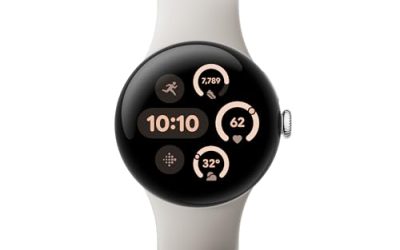
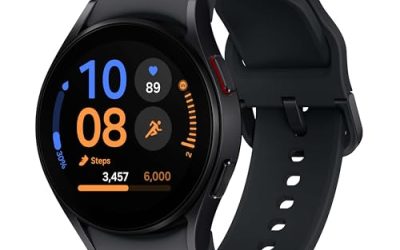
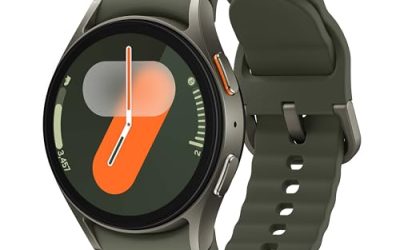
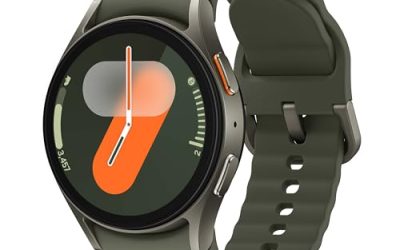
Our Top Picks


A GPS smartwatch sounds like a simple buy until you start comparing them on a student budget. You need GPS that stays accurate when you run between lectures, through tree-lined paths and past concrete buildings, and a battery that does not die halfway through the week. At the same time, the watch has to handle class notifications, sleep tracking and music without turning into another device you must charge every night. The wrong choice leaves you with a watch that is either too heavy to wear all day or too basic to track your training.
This guide is for students who run, train or walk long distances across campus and want one watch that covers workouts, classes and sleep. Every model below was picked from the names and specifications listed on its Amazon product page.
Quick Picks
As an Amazon Associate we earn from qualifying purchases
| Product | Best for | Key spec from title |
|---|---|---|
| Garmin Forerunner 165 | Daily runs between classes | 1.2-inch AMOLED display |
| Amazfit GTS 4 | Bright display and long battery | 1.75-inch AMOLED display |
| COROS PACE 4 | Lightweight training watch | 19-day battery life |
| Garmin Forerunner 55 | Simple GPS on a student budget | Up to 2 weeks of battery |
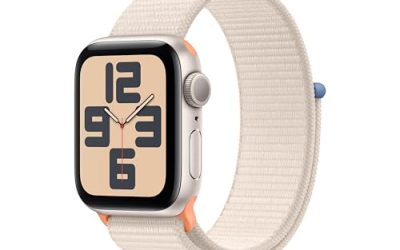
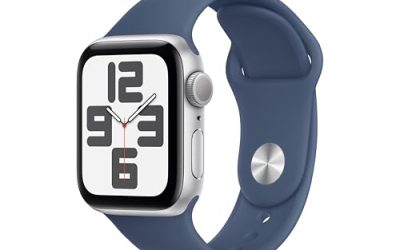
| Apple Watch SE (2nd Gen) | iPhone users on campus | S8 SiP with watchOS |
How to Choose
GPS accuracy where students actually run
Most students run on campus paths, city sidewalks and park trails, where tall buildings and tree cover can confuse a basic GPS chip. Dual-band GPS listens to two satellite frequencies at once, which keeps your route line steady when you pass between dorms or under a canopy of trees. Single-band GPS still works, but expect the occasional wobbly route or a pace reading that jumps for a few seconds. If your runs are mostly laps on a track or laps around a park, either type is fine. If you train for races and care about accurate splits, put dual-band near the top of your list and check which satellite systems each watch supports before you buy.
Battery life that fits a student week
Charging a watch every night is one more chore in a week full of classes, assignments and library sessions. A watch that lasts a week or more means you can wear it to sleep, track recovery and still have charge left for a Saturday run. Shorter battery life is not a problem if the watch charges fast, but a watch that needs a daily top-up will spend more time on your desk than on your wrist. Think about your routine: if you train five days a week and track sleep every night, aim for at least a week of battery. If you only wear the watch for workouts, a shorter battery with fast charging is easier to live with.
Size, weight and a screen you can read
A watch you wear from your first lecture to lights-out has to disappear on your wrist. Heavy cases dig in during long study sessions, and a bulky watch catches on jacket cuffs and backpack straps. Lighter watches around 30 to 40 grams are easy to forget you are wearing, which matters when you also want sleep tracking. Screen type matters too: a bright AMOLED display is easy to read in sunlight on the walk to class, while a memory-in-pixel display sips battery but looks dimmer indoors. Check the case size against your wrist before buying, and remember that a bigger screen is only useful if the watch still fits under a sleeve.
Notifications, music and phone compatibility
Your watch lives or dies by how well it talks to your phone. Apple Watch models only pair with iPhones, while Garmin, Amazfit and COROS watches work with both iPhone and Android, so check compatibility before you fall for a design. Think about what you actually want on your wrist: call and text alerts during lectures, music controls for the gym, or offline playlists for runs without your phone. Some watches store music onboard, others only control playback on your phone. Payment features and app support vary too, so match the watch to the phone you already own rather than the one you might buy next year.
The 5 Best Options
Garmin Forerunner 165

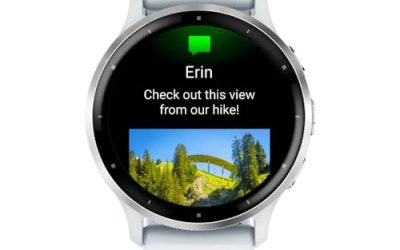
The Forerunner 165 is the most student-friendly running watch Garmin makes, because it pairs a bright AMOLED screen with the training tools that used to sit on far more expensive models. Morning report, training readiness and race predictions help you plan hard days and easy days around exams and deadlines. GPS locks on quickly on campus routes, and the watch lasts long enough that charging becomes a weekend habit instead of a daily one. It is light enough to wear to sleep, and the 5 ATM rating means you can keep it on in the rain or the pool.
Specs
- 1.2-inch AMOLED display, 390 x 390 pixels
- Up to 11 days of battery life in smartwatch mode
- Built-in GPS with multi-satellite support
- Morning report, training readiness and race predictor
- 5 ATM water resistance
- 43 mm case, 39 g
Best for: Students who run most days and want training guidance without a large case.
Watch out for: No onboard music storage on the standard model — check whether you need the Music version before buying.
Amazfit GTS 4
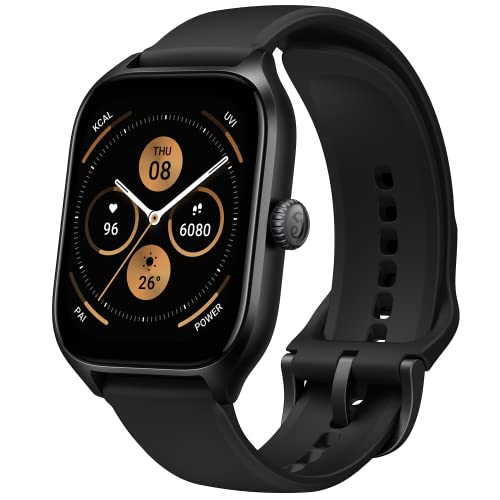
The GTS 4 suits students who want a slim, stylish watch that still tracks runs properly. Its large 1.75-inch AMOLED screen makes maps, messages and workout stats easy to read at a glance, and dual-band GPS keeps route tracking steady under trees and between buildings. With more than 150 sports modes, it covers gym sessions, swimming and weekend hikes as well as running. Battery life stretches to around eight days of typical use, so you can track sleep through the week and top up on Sunday. Alexa built in and Bluetooth calls add everyday convenience between classes.
Specs
- 1.75-inch AMOLED display, 390 x 450 pixels
- Dual-band GPS with 5 satellite systems
- 150+ sports modes
- Up to 8 days of typical battery life
- Alexa built-in, Bluetooth calls
- 5 ATM water resistance
Best for: Students who want a light, good-looking watch with strong GPS and a big screen.
Watch out for: The watch has no built-in app store like a full smartwatch, so check that the Zepp app covers the features you need.
COROS PACE 4
The PACE 4 is the watch COROS built to replace the PACE 3, and it keeps the formula students liked: a featherweight case, dual-frequency GPS and a battery that outlasts a busy week. At 32 grams with the nylon band it disappears on the wrist during lectures, long runs and sleep, while the 1.2-inch AMOLED screen is a clear step up from the old transflective display. Voice features, offline maps and music storage cover training and daily life, and the 19-day battery means you can go two weeks between charges.
Specs
- 1.2-inch AMOLED touchscreen
- Dual-frequency GPS
- Up to 19 days of daily-use battery life
- 41 hours of full GPS tracking
- 32 g with nylon band
- 5 ATM water resistance
- 4 GB storage for music and maps
Best for: Student runners who want the lightest possible training watch with a very long battery.
Watch out for: The PACE 4 replaces the discontinued PACE 3, so check the listing says PACE 4 and not old PACE 3 stock before buying.
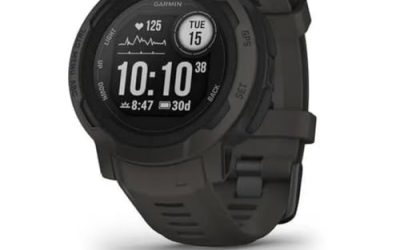
Garmin Forerunner 55
The Forerunner 55 is the simplest way into GPS running, and that is exactly what makes it a smart student buy. It tracks pace, distance and heart rate reliably, suggests daily workouts based on your recovery, and lasts up to two weeks between charges. There is no touchscreen or music storage to complicate things, just buttons that work with sweaty hands and a screen you can read in bright sun. If your budget is tight and you want a watch that does the running basics well for years, this is the one to beat.
Specs
- 1.04-inch sunlight-visible display
- Built-in GPS
- Up to 2 weeks of battery life in smartwatch mode
- Daily suggested workouts and Garmin Coach
- Wrist-based heart rate monitoring
- 5 ATM water resistance
Best for: Students on a tight budget who want reliable GPS tracking without extra features.
Watch out for: No touchscreen and no onboard music, so runners who want playlists on the watch should look at the Forerunner 165 Music instead.
Apple Watch SE (2nd Gen)
The Apple Watch SE (2nd Gen) is the pick for students who already live in the Apple ecosystem. It pairs instantly with an iPhone, mirrors class reminders and messages, and unlocks your Mac without a password. GPS tracks runs and walks accurately, while fall and crash detection add safety on solo runs and late-night walks home. The watch charges fast enough to top up during a shower, and watchOS gives you apps, Apple Pay and music control that fitness-first watches cannot match. The trade-off is battery life: expect to charge it most days.
Specs
- 40 mm Retina LTPO OLED display
- S8 SiP chip, 32 GB storage
- Built-in GPS
- Fall detection and crash detection
- 50 m water resistance
- Up to 18 hours of battery life
Best for: iPhone-owning students who want a full smartwatch for classes, messages and workouts.
Watch out for: It only works with an iPhone, and the battery lasts about a day, so plan a daily charging slot.
Which One Fits Your Situation
Training for a race around your class schedule
Pick the Garmin Forerunner 165. Its training readiness score and race predictions help you decide when to push and when to rest, and the morning report shows sleep and recovery before your first lecture. The 11-day battery means charging never clashes with a training week, and GPS stays accurate on campus loops and park routes. The Amazfit GTS 4 is a fine second choice if you want a bigger screen for less.
Walking and cycling across a big campus
Pick the COROS PACE 4. At 32 grams you will forget it is there during long days of lectures, library sessions and rides between buildings. The 19-day battery survives weeks of daily wear without a charger in sight, and offline maps help when you explore a new part of town. The Garmin Forerunner 55 is the budget alternative if you want the same simplicity for less.
Living in the Apple ecosystem
Pick the Apple Watch SE (2nd Gen). It works with your iPhone, Mac and AirPods as one system, so class reminders, messages and music flow to your wrist without setup battles. GPS and workout tracking cover runs and gym sessions, and fall and crash detection add a safety net on solo training. Just accept the daily charging habit, and keep a charger in your dorm room.
The tightest student budget
Pick the Garmin Forerunner 55. It costs far less than the other watches here yet still delivers accurate GPS, daily workout suggestions and two weeks of battery. You give up the bright AMOLED screen and music storage, but you keep the tracking that matters for training. Spend the money you save on running shoes instead, and upgrade to the Forerunner 165 later when your training demands more.
Common Mistakes
- Buying a watch that only works with the other phone platform — check iPhone or Android compatibility first.
- Choosing a watch for its screen and ignoring battery life, then charging it every night in a busy semester.
- Paying for maps and triathlon features you will never use on campus runs and gym sessions.
- Picking a case that is too big or heavy to wear all day and through the night.
- Skipping the strap size check, then finding the band does not fit or the sensor sits loosely during runs.
Frequently Asked Questions
Do students need dual-band GPS on a smartwatch?
Most students do not. Single-band GPS is accurate enough for campus runs, park loops and treadmill sessions, where the route is open and simple. Dual-band GPS earns its place if you train in dense city streets, under heavy tree cover or in the mountains, where one frequency alone can drift. If you race and care about splits, choose dual-band; otherwise, spend the money on battery life or a brighter screen.
How long should a GPS watch battery last for a student?
A week of battery is a good target. It covers classes, workouts and sleep tracking without a daily charging routine, and it leaves enough charge for a long weekend run. Watches with two-week batteries are even easier to live with in a dorm, where chargers go missing. A one-day battery is workable only if you charge fast and remember to top up every evening.
Can a GPS smartwatch replace a phone on campus?
Not entirely. A GPS watch handles workouts, notifications, timers and music control on its own, and some models store music and make calls. But you still need your phone for class apps, email, maps and photos. Think of the watch as a screen on your wrist that keeps your phone in your pocket more often, not as a replacement for it.
Are GPS smartwatches waterproof enough for swimming?
Most GPS watches in this guide carry a 5 ATM rating, which covers swimming, showers and rain. The Apple Watch SE is rated to 50 metres, which is the same level of protection. Check the rating before buying: a watch rated only for splashes is not safe for laps. Rinse the watch with fresh water after swimming in a pool or the sea to protect the sensors and strap.
FAQ
Do students need dual-band GPS on a smartwatch?
How long should a GPS watch battery last for a student?
Can a GPS smartwatch replace a phone on campus?
Are GPS smartwatches waterproof enough for swimming?
More from Amazon
Programs that pair well with the guide above. Offers and eligibility are set by Amazon and may change.
Free shipping on eligible items, Prime Video and more. Eligible new members can start with a free trial.
Start a Prime free trialAd-free music streaming. Eligible new subscribers can start with a free trial.
Try Music Unlimited freeA Prime membership for ages 18-24 with a trial period. Eligibility is set by Amazon.
See Prime for Young AdultsAudiobooks and podcasts to listen to on the go. Eligible new members can start with a free trial.
Try Audible freeAs an Amazon Associate we earn from qualifying purchases.