Our Top Picks


Outdoor days punish a watch in ways a gym never will. You need GPS that holds its signal under tree cover, in deep valleys and on ridgelines, plus a battery that lasts from the trailhead to the summit and back. The watch also has to survive rain, dust, knocks against rock and a dunk in a stream, while still showing the route when your phone has no signal. Picking the wrong model means a blank screen halfway through a hike, or a watch that dies before you reach camp.
This guide is for hikers, trail runners, climbers and backpackers who need navigation and tracking far from cell towers. Every watch below was picked from the names and specifications listed on its Amazon product page.
Quick Picks
As an Amazon Associate we earn from qualifying purchases
| Product | Best for | Key spec from title |
|---|---|---|
| Garmin Instinct 2 | Rugged hiking and trail use | Multi-GNSS GPS |
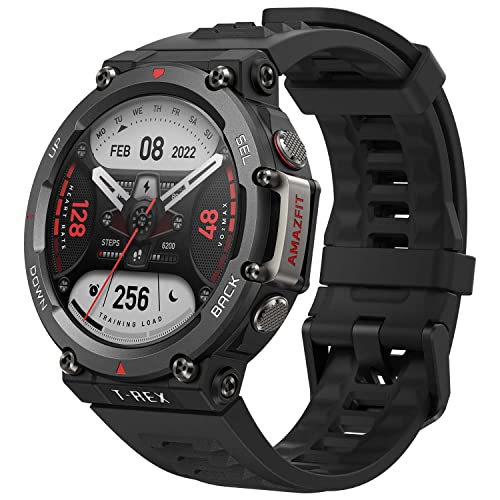
| Amazfit T-Rex 2 | Tough watch for harsh weather | 24-day battery life |
| Garmin Forerunner 955 Solar | Long trail runs and triathlon | Solar charging |
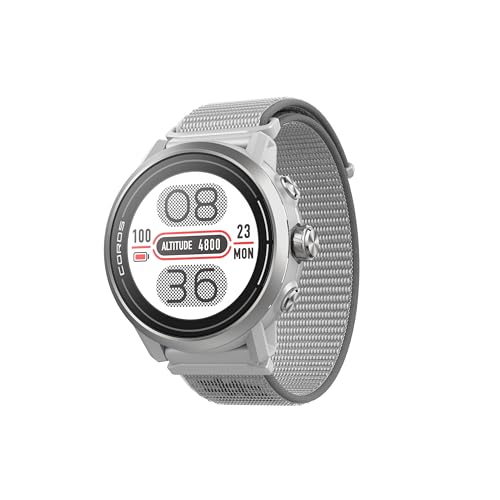
| COROS APEX 2 | Navigation on remote routes | Offline maps |
| Garmin fēnix 7 Pro Sapphire Solar | Serious mountain days | Sapphire lens with solar charging |
How to Choose
GPS accuracy when the trail disappears
Trails rarely run in straight lines under open sky. Tree cover, canyon walls and steep ridges bounce satellite signals around, and a basic GPS chip can place you on the wrong side of a valley. Multi-band GPS listens on two frequencies, which keeps your track steady in exactly those conditions, and support for GPS, GLONASS and Galileo adds more satellites to lock onto. Check how many satellite systems a watch supports before you buy, and remember that accuracy matters most when the route is unfamiliar and the weather turns.
Offline maps and navigation tools
Your phone loses signal long before the trail ends, so the watch has to navigate on its own. Full-color topographic maps let you see trails, contours and water sources on your wrist, while breadcrumb navigation simply draws the line you followed so you can retrace it. TracBack and similar tools turn a wrong turn into a short detour instead of a long problem. Decide which you need: day hikers can manage with breadcrumb trails, but backpackers heading into new terrain should insist on real maps stored on the watch.
A build that survives rock, rain and cold
An outdoor watch gets knocked against rock, dropped on gravel and soaked in sudden rain. Look for a rugged case, a scratch-resistant lens and a water rating of at least 10 ATM if you cross streams or swim. Sapphire glass resists scratches far better than standard glass, and a titanium bezel adds strength without much weight. Cold matters too: some watches keep working well below freezing, which counts on winter hikes and alpine starts. A watch that fails on the hardest day of your trip is worse than no watch at all.
Battery life for long days and multi-day trips
Outdoor trips stretch from dawn to dark, and multi-day hikes leave no wall socket in sight. A watch that lasts two or three weeks in smartwatch mode, and dozens of hours with GPS running, removes charging from your list of worries. Solar charging helps on sunny ridges, but it only extends battery life — it does not replace charging entirely. Work out your longest day first, then choose a watch whose GPS battery comfortably exceeds it, with a margin for cold weather, which drains batteries faster.
The 5 Best Options
Garmin Instinct 2

The Instinct 2 is the outdoor watch for people who would rather have toughness than a pretty screen. Its rugged case and monochrome display shrug off knocks, and the battery lasts up to 28 days in smartwatch mode, so it keeps going on trips where chargers stay home. Multi-GNSS support keeps your track honest under trees and in valleys, and TracBack routing guides you back along the route you came in on. It is not the watch for maps on your wrist, but for hikers who want a dependable tool, it is hard to beat.
Specs
- 45 mm rugged case, monochrome display
- Multi-GNSS support (GPS, GLONASS, Galileo)
- TracBack routing
- Up to 28 days of battery life in smartwatch mode
- 10 ATM water resistance
- 52 g
Best for: Hikers and campers who want a tough, long-lasting watch for remote trails.
Watch out for: The monochrome display shows no maps, so route navigation is limited to breadcrumb trails and TracBack.
Amazfit T-Rex 2
The T-Rex 2 packs serious outdoor toughness into a watch that costs far less than the premium Garmin models. Military-grade certification, a 10 ATM rating and operation down to minus 30 degrees mean it keeps working in rain, snow and river crossings. Dual-band GPS tracks accurately through forest and canyon, while the battery stretches to 24 days of typical use. With more than 150 sports modes and real-time navigation from imported routes, it covers hiking, climbing and trail running without demanding a flagship budget.
Specs
- 1.39-inch AMOLED display, 454 x 454 pixels
- Dual-band GPS with 5 satellite systems
- Military-grade toughness, MIL-STD-810G
- Operates down to -30°C
- Up to 24 days of typical battery life
- 10 ATM water resistance
Best for: Outdoor lovers on a budget who need a rugged watch for harsh weather and long days.
Watch out for: The watch has no full topographic maps onboard, so navigation relies on imported routes and breadcrumb trails.
Garmin Forerunner 955 Solar
The Forerunner 955 Solar is the runner’s answer to long days outside. Solar charging stretches the battery to 20 days in smartwatch mode and 42 hours with GPS running, so it covers ultramarathons and multi-day trail events without a charger. Multi-band GPS and full-color maps keep you on route, while training readiness, stamina tracking and race predictions turn every run into data you can use. It is light enough to forget on your wrist, and the touchscreen plus buttons work together when your hands are sweaty or gloved.
Specs
- 1.3-inch sunlight-visible display
- Multi-band GPS with full-color maps
- Solar charging
- Up to 20 days of battery life in smartwatch mode
- Up to 42 hours of GPS use
- 5 ATM water resistance
Best for: Trail runners and triathletes who need maps, long battery and deep training data.
Watch out for: Solar charging extends the battery but does not replace it, so bring a cable on trips longer than a few days.
COROS APEX 2
The APEX 2 is built for navigation first and everything else second. Its sapphire lens and grade 5 titanium bezel handle rock and scrapes, while offline maps and breadcrumb navigation keep you oriented where phones lose signal. Five satellite systems and dual-frequency GPS deliver accurate tracks in forests and canyons, and the battery runs up to 40 hours with GPS on. At 14 days of regular use between charges, it suits backpackers who plan routes in the COROS app and then leave the phone in the pack.
Specs
- 1.2-inch sapphire screen
- Grade 5 titanium-alloy bezel
- Offline maps and breadcrumb navigation
- Dual-frequency GPS, 5 satellite systems
- Up to 40 hours of GPS use
- 8 GB storage
Best for: Backpackers and hikers who need offline maps and accurate navigation far from signal.
Watch out for: The 1.2-inch screen is small for reading detailed maps, so check routes on the app before you set out.
Garmin fēnix 7 Pro Sapphire Solar
The fēnix 7 Pro Sapphire Solar is the watch for the hardest days in the mountains. A sapphire lens, a built-in flashlight and solar charging come together in a case built for rock, snow and river crossings, while multi-band GPS and TopoActive maps keep you on route when the trail fades. The battery lasts up to 22 days in smartwatch mode, and the flashlight alone has saved more than one late descent. It is the most expensive watch here, but it is also the one that asks the fewest compromises.
Specs
- Sapphire lens, solar charging
- Built-in LED flashlight
- Multi-band GPS with TopoActive maps
- Up to 22 days of battery life in smartwatch mode
- 10 ATM water resistance
- Touchscreen and buttons
Best for: Serious hikers and mountaineers who want maps, a flashlight and maximum toughness.
Watch out for: The case is large and heavy, so try the size on your wrist before committing.
Which One Fits Your Situation
Hiking trails far from cell signal
Pick the COROS APEX 2. Offline maps and breadcrumb navigation keep you oriented when your phone shows no bars, and dual-frequency GPS holds your track under trees and in canyons. The sapphire lens and titanium bezel survive scrapes against rock, and 40 hours of GPS use covers long days without a charger. The Garmin Instinct 2 is the tougher, cheaper fallback if you can live without maps.
Multi-day backpacking and camping
Pick the Garmin Instinct 2. Its battery lasts up to 28 days in smartwatch mode, so it keeps tracking through a whole trip without a power bank. The rugged case handles rain, dust and knocks, and TracBack routing guides you home along the trail you came in on. The Amazfit T-Rex 2 is the alternative if you want a brighter AMOLED screen and the same kind of toughness.
Trail running and triathlon training
Pick the Garmin Forerunner 955 Solar. Solar charging and 42 hours of GPS cover long trail races and brick sessions, while full-color maps and training metrics turn every run into useful data. It is light enough to race in and tough enough for the trail. The COROS APEX 2 is the pick if navigation matters more to you than training analytics.
Winter hikes and high-altitude days
Pick the Amazfit T-Rex 2. It keeps working down to minus 30 degrees, and the 10 ATM rating covers snow, stream crossings and sudden storms. The 24-day battery outlasts a week in the mountains, and dual-band GPS stays accurate when the route climbs above the tree line. The Garmin fēnix 7 Pro Sapphire Solar is the upgrade if you want maps and a flashlight for early alpine starts.
Common Mistakes
- Buying a watch with no offline maps, then discovering your phone has no signal on the trail.
- Choosing a watch for its smart features and ignoring water resistance and ruggedness.
- Trusting solar charging to replace a cable on multi-day trips — it only extends the battery.
- Picking a case that is too heavy for long days, then leaving the watch at camp.
- Skipping the GPS battery check and running out of tracking halfway through a long hike.
Frequently Asked Questions
Do outdoor watches need dual-band GPS?
For serious trail use, yes. Dual-band GPS listens on two satellite frequencies, which keeps your track accurate under tree cover, in canyons and on steep ridges where single-band signals bounce around. Casual day hikers on open trails can manage with single-band GPS. If you navigate unfamiliar routes or train for mountain races, dual-band is worth the extra cost.
Can a GPS watch replace a paper map?
No. A GPS watch is a strong backup and a fast way to check your position, but a paper map and compass still work when batteries die or screens crack. Use the watch for live tracking and route alerts, and carry a map for the bigger picture. On multi-day trips, the combination of both is the safest way to navigate.
How waterproof should an outdoor watch be?
Aim for 10 ATM if you cross streams, swim or hike in heavy rain. That rating covers swimming and shallow water, while 5 ATM is enough for rain and showers but not for swimming. Check the rating before you buy, and rinse the watch with fresh water after salty or muddy outings to protect the sensors and buttons.
Does solar charging make a watch last forever outdoors?
No. Solar charging extends battery life on sunny days, but it only adds a small amount of charge and cannot replace a cable on cloudy days or in forest shade. Treat it as a bonus that stretches multi-day trips, not as unlimited power. Bring a small power bank on trips longer than a few days.
FAQ
Do outdoor watches need dual-band GPS?
Can a GPS watch replace a paper map?
How waterproof should an outdoor watch be?
Does solar charging make a watch last forever outdoors?
More from Amazon
Programs that pair well with the guide above. Offers and eligibility are set by Amazon and may change.
Free shipping on eligible items, Prime Video and more. Eligible new members can start with a free trial.
Start a Prime free trialAd-free music streaming. Eligible new subscribers can start with a free trial.
Try Music Unlimited freeA Prime membership for ages 18-24 with a trial period. Eligibility is set by Amazon.
See Prime for Young AdultsAudiobooks and podcasts to listen to on the go. Eligible new members can start with a free trial.
Try Audible freeAs an Amazon Associate we earn from qualifying purchases.