Key takeaways
- Coverage area: Match the router to your home size, since a single unit like the TP-Link Archer BE550 suits around 2,000 sq. ft., while a mesh kit such as the Deco BE63 blankets larger spaces.
- Band configuration: Tri-band routers add a second 5GHz or 6GHz band for more capacity, whereas dual-band models like the Archer BE230 keep costs down for smaller setups.
- Multi-gig ports: Look for 2.5G or 10G ports, found on the Archer BE600, to take full advantage of fast fiber and cable internet plans.
- Device capacity: Busy smart homes benefit from higher device limits, so check the rated number of simultaneous connections against your gadget count.
- Extra features: Built-in VPN, EasyMesh expansion, and security suites like HomeShield add long-term value and flexibility to your network.
What's inside
Wi-Fi 7 has moved from cutting-edge to genuinely mainstream, and if your home network still runs on older hardware, 2026 is the year to upgrade. The latest standard unlocks wider 320MHz channels, Multi-Link Operation for rock-steady connections, and multi-gig ports that finally keep pace with fast internet plans. For gamers chasing low latency, streamers pushing 8K, and busy households juggling dozens of devices, a Wi-Fi 7 router is the backbone that makes it all run smoothly.
We compared the most popular Wi-Fi 7 routers and mesh systems on the market, weighing speed tiers, coverage area, port selection, device capacity, and value. Our picks span dual-band budget performers to tri-band flagships and whole-home mesh kits. Below the recommendations, our buying guide breaks down the specs that actually affect your experience, followed by answers to the questions people ask most before upgrading their network.
As an Amazon Associate we earn from qualifying purchases at no extra cost to you. Product prices and availability are accurate as of the date shown and are subject to change.


⚡ Save on Your Next PC — Amazon Prime
Prime members get fast free shipping on the systems above, plus early access to Prime Day & Black Friday PC deals. New members get a 30-day free trial.
Watch: Best WIFI 7 Router 2026 — Video Review
How to Choose a Wi-Fi 7 Router
- Coverage area: Match the router to your home size, since a single unit like the TP-Link Archer BE550 suits around 2,000 sq. ft., while a mesh kit such as the Deco BE63 blankets larger spaces.
- Band configuration: Tri-band routers add a second 5GHz or 6GHz band for more capacity, whereas dual-band models like the Archer BE230 keep costs down for smaller setups.
- Multi-gig ports: Look for 2.5G or 10G ports, found on the Archer BE600, to take full advantage of fast fiber and cable internet plans.
- Device capacity: Busy smart homes benefit from higher device limits, so check the rated number of simultaneous connections against your gadget count.
- Extra features: Built-in VPN, EasyMesh expansion, and security suites like HomeShield add long-term value and flexibility to your network.
The Best Wi-Fi 7 Routers Reviewed
TP-Link Archer BE550
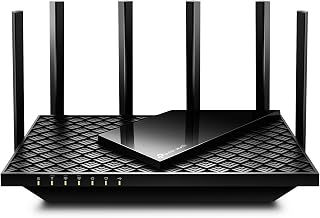
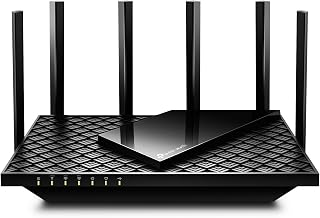
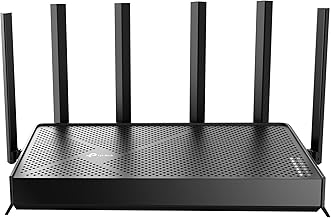
The tri-band Archer BE550 is our best all-round pick. It offers six streams, full 2.5G ports, six internal antennas, coverage up to 2,000 sq. ft., EasyMesh expansion, and VPN support. This balanced blend of speed, ports, and future-proofing makes it the sweet spot for most homes.
TP-Link Archer BE230
For value seekers, the dual-band Archer BE230 delivers Wi-Fi 7 essentials at a friendly price. It packs a 2.5G port, USB 3.0, a quad-core processor, MLO, EasyMesh, HomeShield security, and private IoT support. It is the smart entry point for smaller homes wanting modern features without overspending.
TP-Link Archer BE600
The tri-band Archer BE9700 steps up performance with a 10G port, a 2.5G port, three additional 2.5G LAN ports, and 320MHz channels. Rated for up to 2,600 sq. ft. and 120 devices with VPN and HomeShield, it suits demanding households that want multi-gig headroom.
TP-Link Deco BE63 (2-Pack)
For whole-home coverage, the Deco 7 Pro BE63 mesh system is our top pick. This tri-band two-pack delivers six streams up to 10 Gbps, four 2.5G ports for wired backhaul, and smart internal antennas. It eliminates dead zones in larger homes while keeping setup simple.
NETGEAR Nighthawk RS700S
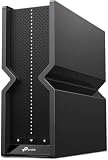
The tri-band Nighthawk RS700S is the flagship for enthusiasts. It boasts BE19000 speeds up to 19 Gbps, a 10 Gig internet port, and coverage up to 3,500 sq. ft., plus a year of Armor security. If you have the fastest internet plan available, this router is built to keep up.
Frequently Asked Questions
Do I need Wi-Fi 7 if I don’t have gigabit internet?
Even without ultra-fast internet, Wi-Fi 7 improves local network speed, reduces latency, and handles more devices at once thanks to features like MLO. It is a worthwhile upgrade for busy homes and future-proofing, though the gains are biggest with fast plans.
Should I buy a single router or a mesh system?
A single router like the Archer BE550 works well for apartments and smaller homes. For larger or multi-story houses with dead zones, a mesh system such as the Deco BE63 spreads coverage evenly and is the better choice.
What is Multi-Link Operation?
Multi-Link Operation, or MLO, lets a device connect across multiple bands simultaneously. This improves reliability and reduces latency by dynamically routing traffic, which is especially valuable for online gaming and video calls where a steady connection matters most.
Why do multi-gig ports matter?
Standard gigabit ports cap wired speeds at 1 Gbps, which can bottleneck faster internet plans. Routers with 2.5G or 10G ports, like the Archer BE600, let wired devices and fast connections reach their full potential.
Final Thoughts
Upgrading to Wi-Fi 7 pays off in steadier connections, lower latency, and the headroom to grow your smart home in 2026. The TP-Link Archer BE550 is our top overall pick for balancing speed, ports, and price, while the Deco BE63 mesh conquers larger homes and the Nighthawk RS700S serves those with the fastest plans. Size the router to your space, prioritize multi-gig ports if your internet is quick, and enjoy a network that finally keeps up with everything you throw at it.