Key takeaways
- Switch feel: Tactile switches (like browns) give a bump for confident typing without being loud, making them a popular default for coding in shared spaces.
- Layout and size: Full-size and 96% layouts keep a number pad for data entry; 75% boards save space while retaining function and arrow keys.
- Programmability: QMK or VIA support lets you remap keys and build layers, which is powerful for IDE shortcuts and symbols used heavily in code.
- Wireless versus wired: Bluetooth and 2.4GHz boards reduce cable clutter and let you switch between machines; wired guarantees zero latency and no charging.
- Noise level: If you share an office or take calls, quieter switches or dampened builds keep the peace better than loud clicky switches.
Programmers spend hours a day at the keyboard, so the right board is a genuine productivity and comfort investment. Unlike gaming, where actuation speed rules, coding rewards typing accuracy, a comfortable feel over long sessions, and enough keys and shortcuts to keep your hands on home row. In 2026 the best programming keyboards blend mechanical switches, quiet-enough operation for shared offices, and layouts that keep the number pad and navigation cluster handy.
This roundup covers boards suited to writing code, from full-size mechanical keyboards with dedicated numbers to compact wireless models that free up desk space for a mouse. We considered switch type, layout, wireless flexibility, and programmability, since remapping keys and layers can meaningfully speed up how you navigate an IDE.
Our top picks


As an Amazon Associate we earn from qualifying purchases at no extra cost to you. Ratings are shown as listed on Amazon.
⚡ Save on Your Next PC — Amazon Prime
Prime members get fast free shipping on the systems above, plus early access to Prime Day & Black Friday PC deals. New members get a 30-day free trial.
Watch: Best Keyboard for Programming — Video Review
How to Choose
- Switch feel: Tactile switches (like browns) give a bump for confident typing without being loud, making them a popular default for coding in shared spaces.
- Layout and size: Full-size and 96% layouts keep a number pad for data entry; 75% boards save space while retaining function and arrow keys.
- Programmability: QMK or VIA support lets you remap keys and build layers, which is powerful for IDE shortcuts and symbols used heavily in code.
- Wireless versus wired: Bluetooth and 2.4GHz boards reduce cable clutter and let you switch between machines; wired guarantees zero latency and no charging.
- Noise level: If you share an office or take calls, quieter switches or dampened builds keep the peace better than loud clicky switches.
The Best Picks Reviewed
Keychron K4 96% Wireless Mechanical Keyboard, 100 Keys
The Keychron K4 packs a full number pad and 100 keys into a compact 96% layout, connecting over Bluetooth 5.1 or wired USB. It is a favorite among developers who want desktop functionality with less footprint, and Keychron’s Mac and Windows compatibility suits mixed setups.
Keychron K3 Version 2 QMK 75% Wireless Low-Profile Mechanical Keyboard
For a slimmer feel, the K3 V2 is a low-profile 75% board with QMK support for deep remapping. The low-profile switches reduce wrist strain during long sessions, and QMK lets you build custom layers for symbols and IDE commands.
Logitech G413 SE Full-Size Mechanical Keyboard
The G413 SE is a no-nonsense full-size mechanical board with tactile switches and a durable aluminum top plate. It skips flashy RGB for a clean, office-appropriate look, making it a reliable wired workhorse for coding at a reasonable price.
AULA S99 Wireless Keyboard, 99 Keys with Number Pad
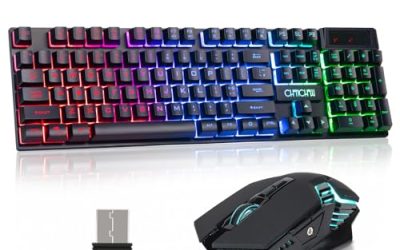
The AULA S99 offers a 99-key layout with a number pad and wireless connectivity at a value price. It is a solid budget pick for developers who want a near-full layout and cable-free desk without spending much.
Corsair K55 CORE RGB Membrane Wired Gaming Keyboard
If you prefer a quieter, softer keypress, the K55 CORE uses responsive membrane switches that many coders find comfortable and unobtrusive. Its full-size layout and low noise make it a practical choice for shared offices where mechanical clatter is unwelcome.
Frequently Asked Questions
What switch type is best for programming?
Tactile switches such as browns are the common recommendation because they give a satisfying bump for accuracy without the loud click of blue switches. Linear switches also work well and are quieter, so it comes down to personal feel.
Do I need a number pad for coding?
It depends on your work. A number pad helps with data entry and some IDE shortcuts, which is why 96% and full-size layouts remain popular. If you rarely use it, a 75% board frees up desk space for your mouse.
Is QMK programmability worth it?
For power users, yes. QMK and VIA let you remap keys and create layers for symbols, macros, and IDE commands, which can genuinely speed up coding. If you just want a comfortable board, it is a nice bonus rather than a necessity.
Should I go wireless or wired?
Wireless reduces clutter and lets you switch between devices, which is handy for developers using multiple machines. Wired offers guaranteed latency-free typing and no charging; both are fine for coding, so choose based on your desk setup.
Final Thoughts
For most developers the Keychron K4 hits the mark with a full number pad, wireless flexibility, and cross-platform support, while the K3 V2 suits those who prefer a slim, deeply programmable board. The Logitech G413 SE is a dependable wired pick, and the AULA S99 and Corsair K55 CORE cover the budget and quiet-office needs. Choose the switch feel and layout that match your hands, and long coding sessions get noticeably more comfortable.