Key takeaways
- Capacity: 16GB handles 1080p editing; 32GB is the real target for smooth 4K timelines and running multiple apps without slowdown.
- Memory type: DDR5 and LPDDR5 offer higher bandwidth than DDR4, which helps editing performance, especially on modern CPUs.
- CPU pairing: RAM only shines with a capable processor; a strong 6- or 8-core chip alongside 32GB is a balanced editing base.
- Upgradability: Some machines let you add RAM later, while soldered LPDDR5 is fixed at purchase, so buy the capacity you need up front if it cannot be changed.
- Storage speed: Fast NVMe storage complements RAM by keeping cache and footage quick, preventing bottlenecks the memory cannot solve.
What's inside
RAM is the unsung hero of video editing. When you scrub a 4K timeline, apply effects, or run your editor alongside a browser and export queue, memory is what keeps everything responsive instead of stuttering to a crawl. The rule of thumb has shifted: 16GB is now the practical minimum, and 32GB is the target for serious 4K work. The tricky part is that the right amount of RAM only helps when it is paired with a capable CPU and fast storage.
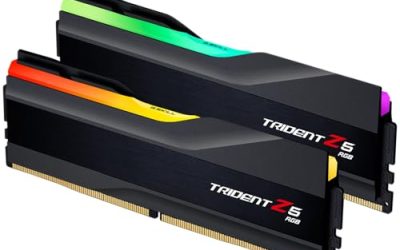
Because buying a bare memory kit only makes sense if you already have a system that supports it, this roundup takes a broader view and highlights editing-ready machines that ship with the RAM configurations creators actually need, from 16GB laptops for 1080p work to 32GB systems built for 4K. We weighed memory capacity and type, CPU pairing, and storage, so you can match the whole package to your editing ambitions rather than guessing at a lone RAM upgrade.
As an Amazon Associate we earn from qualifying purchases at no extra cost to you.




⚡ Save on Your Next PC — Amazon Prime
Prime members get fast free shipping on the systems above, plus early access to Prime Day & Black Friday PC deals. New members get a 30-day free trial.
Watch: Best RAM for Video Editing — Video Review
How to Choose
- Capacity: 16GB handles 1080p editing; 32GB is the real target for smooth 4K timelines and running multiple apps without slowdown.
- Memory type: DDR5 and LPDDR5 offer higher bandwidth than DDR4, which helps editing performance, especially on modern CPUs.
- CPU pairing: RAM only shines with a capable processor; a strong 6- or 8-core chip alongside 32GB is a balanced editing base.
- Upgradability: Some machines let you add RAM later, while soldered LPDDR5 is fixed at purchase, so buy the capacity you need up front if it cannot be changed.
- Storage speed: Fast NVMe storage complements RAM by keeping cache and footage quick, preventing bottlenecks the memory cannot solve.
The Best Picks Reviewed
NIMO 17.3″ AI Creator Laptop, AMD R5-6600H, 32GB RAM, 1TB SSD
With a full 32GB of RAM, this NIMO creator laptop is genuinely equipped for 4K editing, and the 6-core Ryzen 5 6600H keeps timelines responsive. The large 17.3-inch screen and 1TB SSD round out a well-balanced editing package for creators who want desktop-like memory on the go.
Getorli Mini PC, AMD Ryzen 7 6800H, 32GB LPDDR5, 1TB NVMe SSD
This compact Getorli pairs 32GB of fast LPDDR5 with an 8-core Ryzen 7 6800H, a strong combination for 4K editing in a tiny footprint. The high memory bandwidth and capable CPU make it a smart pick for editors with limited desk space.
Lenovo 16″ i7-13620H, 16GB DDR5, 1TB SSD
Lenovo’s 16-inch machine with an Intel i7-13620H and 16GB of DDR5 is a solid 1080p editing laptop with room to grow. The larger FHD+ display gives you timeline real estate, and the fast DDR5 memory keeps everyday edits smooth.
NIMO 15.6″ AI Creator Laptop, AMD R5-6600H, 16GB RAM, 1TB SSD
A more portable 15.6-inch option, this NIMO offers 16GB of RAM and a capable 6-core CPU for hobbyist 1080p editing. With a generous 1TB SSD for footage, it is a value-focused entry into video work.
NIMO 15.6″ Light Gaming Creator Laptop, AMD R7-8745HS, 16GB RAM, 1TB SSD
This lighter NIMO steps up to an 8-core Ryzen 7 8745HS with 16GB of RAM, giving stronger CPU performance for exports and effects at 1080p. It is a good middle-ground pick for creators who want more processing power without jumping to 32GB.
Frequently Asked Questions
How much RAM do I really need for video editing?
16GB is the workable minimum for 1080p, while 32GB is the recommended target for 4K editing and heavy multitasking. Going beyond 32GB helps only with very large projects or many simultaneous apps.
Does RAM speed or capacity matter more?
Capacity matters most first; running out of RAM causes stutter no speed can fix. Once you have enough, faster DDR5 or LPDDR5 memory provides a modest additional boost.
Can I add more RAM later?
Sometimes. Many laptops and desktops have upgradable SO-DIMM or DIMM slots, but soldered LPDDR5 memory is fixed. If your machine cannot be upgraded, buy the capacity you need at purchase.
Will more RAM speed up exports?
Only up to a point. Once you have enough RAM to avoid running short, export speed is driven mainly by the CPU and GPU. Adequate memory prevents slowdowns rather than accelerating renders directly.
Final Thoughts
For serious 4K editing, the 32GB NIMO 17.3-inch laptop and Getorli mini PC give you the memory headroom that matters, paired with capable CPUs. For 1080p work on a budget, the 16GB Lenovo and NIMO options are dependable, with the Ryzen 7 8745HS model adding extra processing muscle. Aim for 32GB if 4K is your goal, keep your storage on fast NVMe, and your timeline will stay smooth under pressure.