Our Top Picks
 Shure MV7X XLR Dynamic Podcast & Recording MicrophoneCompact4.9 x 4.3 x 10.8 inches1.1 poundsCheck on Amazon
 SAMSON Q2U USB/XLR Dynamic Microphone Recording and Podcasting6.5 x 8.3 x 10.3 inches1 poundsCheck on Amazon
The best dynamic microphones under $200 are the Shure MV7X for a broadcast-style XLR podcast mic, the RØDE PodMic USB for XLR plus USB-C in one body, and the Shure SM58 as the long-standing vocal standard. Each is compared from listing specifications: connection type, built-in features and what you need to add.
Dynamic microphones reject room noise better than condensers, which makes them the safer choice for untreated rooms, keyboards and fans. Home office, small-space and gaming setups are folded into the buying section and the FAQ below.
Quick Comparison
| Model | Key specs per listing | Best for |
|---|---|---|
| Shure MV7X | XLR dynamic, voice-isolating technology, all-metal build | Podcasts and vocal recording |
| RØDE PodMic USB | XLR + USB-C, Aphex DSP, zero-latency monitoring, swing mount | One mic for USB now, XLR later |
| Shure SM58 | XLR cardioid dynamic vocal mic for studio, live and podcasting | Reliable all-purpose vocals |
| RØDE PodMic (XLR) | Cardioid dynamic, internal pop filter, shock mounting, all-metal | Broadcast-style voice |
| Samson Q2U (Black pack) | USB/XLR handheld dynamic, recording and podcasting pack | Beginners who want both connections |
| FIFINE AmpliTank K688T | XLR/USB dynamic set with heavy-duty boom arm, mute tap, headphone jack | All-in-one desk kit |
We compared the microphones from listing specifications and did not use them ourselves. Notice that only three of the six work without an audio interface: the USB-C RØDE, the Samson and the FIFINE. The others are XLR-only, so factor in an interface if you do not own one. Listings for the older XLR models are short, which is why several details below are marked as not listed.
Shure MV7X
Shure MV7X XLR Dynamic Podcast & Recording Microphone - Black | XLR dynamic mic with voice-isolating technology and all-metal build for podcasting and vocal recording
Chosen because it specifies Black.
View on AmazonSpec line: XLR dynamic podcast and recording microphone with voice-isolating technology and an all-metal build.
The MV7X is the podcast-focused member of Shure’s range. It uses an XLR connection, so it needs an interface or mixer, and the listing highlights voice-isolating technology designed to keep your voice forward and the room behind it. The all-metal build suits a desk that gets knocked around. Compared with the PodMic, it costs more and gives you the Shure name and a design intended for close speaking. The listing does not state the mounting hardware or the polar pattern, so check the maker page if those details matter.
- Pro: voice-isolating technology listed
- Pro: all-metal build
- Pro: podcast-focused design
- Con: XLR only, needs an interface
- Con: mount and pattern not listed
RØDE PodMic USB

RØDE PodMic USB Dynamic Broadcast Microphone, XLR + USB-C | APHEX DSP processing, zero-latency headphone monitoring, swing mount included, plug and play on Mac, PC, iPad and Android
Chosen because it specifies XLR + USB-C and APHEX DSP processing.
View on AmazonSpec line: Dynamic broadcast microphone with XLR and USB-C, Aphex DSP processing, zero-latency headphone monitoring, swing mount included, plug and play on Mac, PC, iPad and Android.
This is the flexible option. The USB-C connection lets you plug into a computer, tablet or phone and start recording, while the XLR output keeps the door open for an interface later. The listing mentions Aphex DSP processing and zero-latency headphone monitoring, features that normally need extra software or hardware. It sits near the top of the price ceiling, and that is the cost of the convenience. Processing choices are made in software, so check whether the settings are easy to bypass if you prefer a clean signal.
- Pro: USB-C and XLR in one microphone
- Pro: zero-latency headphone monitoring
- Pro: works with Mac, PC, iPad and Android
- Con: near the top of the price ceiling
- Con: DSP is not the same as a raw XLR signal
Shure SM58

Shure SM58 Pro XLR Dynamic Vocal Microphone | Cardioid dynamic vocal mic for studio and live performance, podcasting and recording; industry-standard sound
Chosen because it specifies Cardioid dynamic vocal mic for studio and live performance and podcasting and recording and industry-standard sound.
View on AmazonSpec line: XLR cardioid dynamic vocal microphone for studio and live performance, podcasting and recording, industry-standard sound.
The SM58 is the vocal microphone most people have seen on a stage. Its listing calls it industry-standard and lists studio, live, podcasting and recording uses. As a handheld, it is less comfortable for long podcast sessions than a boom-mounted broadcast mic, and it needs an XLR interface, a cable and a stand. In return you get a microphone with a long track record and wide availability of spare parts and accessories. It is a good first dynamic mic for someone who also sings or performs.
- Pro: proven vocal design
- Pro: cardioid pattern listed
- Pro: widely supported accessories
- Con: needs an interface, cable and stand
- Con: handheld shape is less suited to long sessions
RØDE PodMic

RØDE PodMic Cardioid Dynamic Broadcast Microphone, XLR | Internal pop filter and shock mounting, broadcast dynamic capsule, all-metal build. Requires an XLR interface or mixer
Chosen because it specifies XLR and Internal pop filter and shock mounting.
View on AmazonSpec line: Cardioid dynamic broadcast microphone, XLR, internal pop filter and shock mounting, broadcast dynamic capsule, all-metal build, requires an XLR interface or mixer.
The PodMic is aimed at broadcast voices and the listing is transparent about what it needs: an XLR interface or mixer. The internal pop filter and shock mounting reduce plosives and desk bumps without extra gear, and the all-metal body feels solid. Because it has no USB output, it makes sense if you are already building an XLR chain. If you are not, the USB version above saves buying an interface, but the XLR model keeps the cost of the microphone lower.
- Pro: internal pop filter and shock mounting
- Pro: broadcast-style cardioid capsule
- Pro: all-metal build
- Con: needs an XLR interface or mixer
- Con: a boom arm is not listed
Samson Q2U (Black Pack)
SAMSON Q2U USB/XLR Dynamic Microphone Recording and Podcasting Pack (Black) | For recording and podcasting
Chosen because it specifies For recording and podcasting.
View on AmazonSpec line: USB/XLR dynamic microphone, recording and podcasting pack, black.
The Q2U has both USB and XLR outputs, so it works plugged straight into a computer and later with an interface. The listing describes it as a recording and podcasting pack, which suggests accessories in the box, but it does not list them. The handheld form is flexible and suits mixed uses such as interviews and singing, but it is less polished than the broadcast models for a fixed desk. It remains one of the easiest ways to start without committing to one connection type.
- Pro: USB and XLR outputs
- Pro: handheld and flexible
- Pro: pack format suggests extras
- Con: pack contents not detailed
- Con: less broadcast-style than the PodMic
FIFINE AmpliTank K688T

FIFINE AmpliTank K688T Dynamic Microphone Set, Podcast XLR/USB Mic | Studio Streaming Mic with Heavy Duty Boom Arm, Mute Tap, Headphone Jack, for Vocal Content Creation Recording, Metal Built
Chosen because it specifies Podcast XLR/USB Mic and Studio Streaming Mic with Heavy Duty Boom Arm.
View on AmazonSpec line: Dynamic microphone set, podcast XLR/USB mic, studio streaming mic with heavy-duty boom arm, mute tap, headphone jack, metal build.
The K688T is a complete desk kit: a dynamic microphone with both USB and XLR, a heavy-duty boom arm, a tap-to-mute control and a headphone jack. For a streamer or a home-office worker this is the least fuss, since the arm gets the microphone off the desk and the mute is a tap. It is a lesser-known brand than Shure or RØDE, so long-term support is less certain, and the listing does not mention shock mounting. Value is the main argument.
- Pro: boom arm included
- Pro: USB and XLR with tap mute
- Pro: headphone jack
- Con: lesser-known brand
- Con: shock mount not listed
How to Choose Under $200
Choose USB, XLR or both
If you have no interface, pick a USB or USB/XLR microphone such as the PodMic USB, Q2U or K688T. If you already own an interface, XLR-only microphones like the MV7X, SM58 and PodMic give the cleanest upgrade path.
Dynamic microphones for home office
Dynamics ignore keyboard clatter and room echo better than condensers, which suits shared or untreated rooms. For calls, USB models avoid extra gear, and a mute control is a genuine time saver.
Dynamic microphones for small spaces
Small rooms add reflections, and a dynamic mic used close to your mouth keeps them out of the signal. Mount it on a boom arm or a short stand so it does not take over the desk.
Dynamic microphones for gaming
For gaming and streaming, a boom arm kit with a mute tap and a headphone jack, like the FIFINE, keeps hands on the keyboard. Remember that dynamics need to be used close to the mouth to sound full.
Plan the rest of the chain
An XLR dynamic often needs a quiet preamp. Some low-output dynamics need extra gain, so check the interface gain range before pairing, and budget for an XLR cable and a stand or arm.
Mounts, arms and pop filters
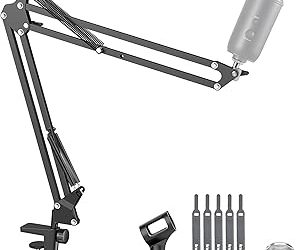
A dynamic microphone is only as good as its mount. A boom arm keeps it close to your mouth and off the desk, and a shock mount stops thumps from travelling up the stand. The FIFINE includes an arm and the PodMic has internal shock mounting, but the Shure models and the Samson list no mounting hardware. Budget for an arm and an XLR cable if you pick an XLR-only model.
Getting enough gain
Dynamic microphones output a low signal, so a quiet interface can leave your voice thin and noisy when you turn the gain up. Look for an interface with clean gain, or choose a USB model with its own built-in preamp, which removes the problem. Speaking one to three fingers from the capsule gives the best level without extra gain.
Speaking distance and room treatment
Dynamic microphones reward close speaking. Moving away from the capsule drops the level and lets room echo in, which defeats the purpose of choosing a dynamic. Soft furnishings behind and beside you, such as a curtain, a bookshelf or a blanket, reduce reflections for very little effort.
A quick match guide
Pick the MV7X for a podcast desk with an interface. Pick the PodMic USB or Q2U if you want to start by plugging into the computer. Pick the SM58 if you also sing or perform live. Pick the PodMic for a broadcast-style voice and an existing XLR chain. Pick the K688T for a complete desk kit with a boom arm. Whichever you choose, check which connection you need before ordering, because that single detail decides whether the microphone works without additional gear.
Frequently Asked Questions
Are dynamic microphones better than condensers for streaming?
In untreated rooms, usually yes. They reject background noise and reflections, while condensers capture more detail in quiet, treated spaces.
Do dynamic microphones need phantom power?
No. Dynamic microphones do not need phantom power, although some interfaces apply it by default, so check before connecting older models.
Why does my dynamic microphone sound quiet?
Dynamic microphones have low output and need an interface with enough clean gain. Speaking close to the capsule also raises the level.
Is the SM58 good for podcasting?
Its listing names podcasting as a use. It works well as a handheld or on a stand, though a broadcast mic is easier for long sessions.
Can I use these with a console or phone?
Only the PodMic USB lists iPad and Android support. For others, check the maker page for compatibility and adapters.
Last updated: November 2026
FAQ
Are dynamic microphones better than condensers for streaming?
Do dynamic microphones need phantom power?
Why does my dynamic microphone sound quiet?
Is the SM58 good for podcasting?
Can I use these with a console or phone?
More from Amazon
Programs that pair well with the guide above. Offers and eligibility are set by Amazon and may change.
Free shipping on eligible items, Prime Video and more. Eligible new members can start with a free trial.
Start a Prime free trialAd-free music streaming. Eligible new subscribers can start with a free trial.
Try Music Unlimited freeA Prime membership for ages 18-24 with a trial period. Eligibility is set by Amazon.
See Prime for Young AdultsAudiobooks and podcasts to listen to on the go. Eligible new members can start with a free trial.
Try Audible freeAs an Amazon Associate we earn from qualifying purchases.