Key takeaways
- Organize a console game collection by choosing one sorting rule, keeping cases upright and spine-out, and placing the games you play most at eye level.
Organize a console game collection by choosing one sorting rule, keeping cases upright and spine-out, and placing the games you play most at eye level. Sort by platform first, then alphabetically or by genre within each group, and leave a little growing room on every shelf. That simple system turns a pile of cases into a library you can browse in seconds.
Collections grow quickly, and shelves that looked roomy a year ago become crowded. This guide explains how to pick a sorting method, how to measure shelf space for different case sizes, how to protect discs and cartridges from damage, and how to display favorites without sacrificing function in 2026. It applies to physical discs, cartridges and boxed retro games alike.
Pick a Sorting System You Will Keep Using
A system works only if you can maintain it without thinking. Decide what question you ask most often: “What system is this on?”, “What genre do I feel like?” or “Where is that one game?” Your answer drives the layout.
| Sorting method | Best for | Trade-off |
|---|---|---|
| By platform, then alphabetical | Multi-console owners | Genre variety is scattered |
| By platform, then genre | Players who browse by mood | Needs decisions about hybrid genres |
| By franchise | Collectors of series | Takes more space planning |
| By release year | Retro and history fans | Harder to find a specific title |
| By color or spine | Display-focused shelves | Poor for finding games quickly |
Most households do best with platform plus alphabetical, because spines are readable and new additions have an obvious place. If you own several consoles, put each platform on its own shelf or section so cases with similar spines stay together.
Plan the Shelves
Measure Your Cases
Case sizes vary by platform. Standard disc cases are tall and thin, while cartridge boxes and older cases have different heights and depths. Measure the tallest case you own and compare it with the shelf height. Leave a bit of clearance so you can pull cases out without scraping. Check the shelf depth too, since extra depth can encourage stacking games two deep, which hides titles.
Decide Between Vertical and Horizontal Storage
Standing cases upright with spines facing out is the best use of space and keeps titles visible. Stacking flat saves height but makes the bottom games hard to reach and can warp cases over time. Use flat stacks only for rarely played items or oversized boxes. Add bookends so a half-filled shelf does not lean.
Leave Room to Grow
Fill each shelf to roughly three quarters. That gives you space for new releases without reshuffling the whole collection. If you buy a lot of games, consider planning one spare shelf for the next year of purchases.
Choose the Right Furniture
Shelving with adjustable shelves handles different case heights best. Fixed-height units work if all your cases are similar. Check weight ratings, since many games add up to a heavy load, and anchor tall units to the wall for safety.
Protect Your Games
Keep shelves away from direct sunlight, which fades spines and can warp plastic. Avoid damp or very hot rooms, because moisture and heat can damage discs, manuals and cartridges. Dust shelves regularly and handle discs by the edges. For rare or valuable games, consider clear protective sleeves for boxes. Keep cartridges in their cases or in dedicated cartridge organizers to prevent dust and static issues.
If your console library is mostly digital, you may still keep a few physical games. Use the same system for both, or keep a short list of digital titles so nothing gets lost in the shuffle.
Display Versus Access
Think in zones. Put games you play weekly at eye level or within arm’s reach of the console, and place rarely played games on higher or lower shelves. Use the top shelf for collectibles or special editions, and use a lower shelf for older games you keep for nostalgia. A small display stand or one forward-facing case per shelf adds personality without hurting function.
If you have kids, put their games on lower shelves where they can reach them and keep adult titles higher. Label shelves with simple tags if several people share the collection.
Before You Start Checklist
- Pull everything out and sort into platform piles.
- Measure the tallest and deepest cases.
- Pick a single sorting rule and write it down.
- Check shelf weight ratings and wall anchoring.
- Reserve at least a quarter of each shelf for growth.
- Wipe cases and replace broken ones.
- Decide where the most-played games will live.
Handling Special Cases
Mixed Formats
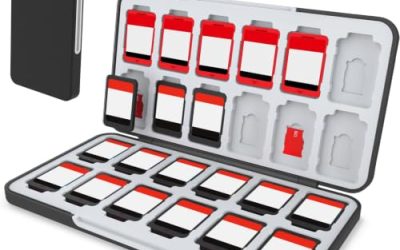
Collections often include discs, cartridges, boxed retro titles and digital download cards. Keep each format in its own section or use dividers so different case sizes do not sit awkwardly together. Small cartridge cases can go in a drawer or shallow shelf with dividers, while larger boxes sit on a deeper shelf.
Limited Editions and Collectibles
Special editions with steelbooks, art books or figures need different treatment. Give them a display shelf with room around them, and consider a clear case to keep dust off. Avoid stacking heavy collectibles on top of games, which can crush boxes.
Multiple Copies and Duplicates
If you own duplicates of the same title, group them together and note them in a list so you do not buy a third. A simple spreadsheet or app that tracks titles, platform and condition makes it easy to check what you own while you are shopping.
Small Spaces
In a small room, vertical shelving and narrow bookcases save floor space. Consider a media tower or wall-mounted ledges. If space is very tight, store less-played games in a labeled box in a closet and rotate them with the shelf games a few times per year.
Keep the System Alive
Re-sorting an entire collection is tedious, so build habits that prevent drift. Put a game back in its place right after you finish playing it. When you buy a new game, shelve it the same day. Once or twice a year, scan the shelves for misfiled cases, damaged covers and games you no longer want. A short seasonal tidy keeps the system from collapsing.
Common Mistakes
The biggest mistake is mixing several sorting systems at once, which leaves games impossible to find. Others include cramming shelves full, stacking games two deep, placing shelves in direct sunlight, and ignoring weight limits. Some collectors also forget to keep manuals and inserts with their cases, which lowers their condition and resale value.
Lighting, Labels and Cable Tidiness
Good lighting makes spines easy to read and adds atmosphere to a display shelf. Warm, low-heat strip lights are a common choice since they avoid the sun damage and heat that bulbs near cases can cause. Label shelf edges with platform names if several people share the collection, and keep a small basket or tray nearby for controllers, chargers and headsets so they do not clutter the games.
If your consoles sit on the same unit, leave airflow space above and behind them, since closed cabinets can trap heat. Route cables along the back of the shelf with clips and keep power strips off the floor. A tidy cable setup makes dusting simpler and lowers the risk of tugging a console off a shelf.
Related guides
- Gaming Headset Noise Isolation Vs Active Noise Cancellation
- Does Gaming Headset Noise Cancellation Work On Microphone
- Trackir Vs Vr Vs Webcam Head Tracking For Flight Sims
Frequently Asked Questions
Should I keep games in their cases?
Yes, whenever possible. Cases protect discs and cartridges from dust and scratches and keep manuals together. Loose discs are easier to damage.
What is the best way to sort by genre?
Choose a short list of broad genres and place hybrids in the category you associate them with most. Keep platform separation as the first layer so cases fit together.
Can I store games on their side?
You can for short periods, but upright storage is better for long term. Stacking flat adds weight to the bottom games and can warp cases.
How do I handle oversized boxes?
Give them a dedicated shelf or display area. Use bookends to keep them upright and avoid stacking items on top.
FAQ
Should I keep games in their cases?
What is the best way to sort by genre?
Can I store games on their side?
How do I handle oversized boxes?
More from Amazon
Programs that pair well with the guide above. Offers and eligibility are set by Amazon and may change.
Free shipping on eligible items, Prime Video and more. Eligible new members can start with a free trial.
Start a Prime free trialAd-free music streaming. Eligible new subscribers can start with a free trial.
Try Music Unlimited freeA Prime membership for ages 18-24 with a trial period. Eligibility is set by Amazon.
See Prime for Young AdultsAudiobooks and podcasts to listen to on the go. Eligible new members can start with a free trial.
Try Audible freeAs an Amazon Associate we earn from qualifying purchases.