Key takeaways
- Polling Rate: 1000Hz is the sweet spot for most gamers; 4000-8000Hz mice offer smoother cursor tracking for competitive FPS play, but require a capable USB port and CPU to fully utilize.
- Weight: Lighter mice (50-60g) reduce arm fatigue and improve flick-shot accuracy, especially for claw or fingertip grip styles common in esports.
- Connection Type: Modern wireless mice with dedicated 2.4GHz dongles now match wired latency, so don’t rule out wireless for competitive play unless you need zero-compromise reliability.
- Sensor Quality: DPI numbers matter less than sensor consistency; look for optical sensors with proven tracking accuracy at high speeds and low acceleration error.
- Battery Life: If going wireless, check rated hours at your intended polling rate, since higher Hz settings drain batteries significantly faster than default 1000Hz.
What's inside
Chasing lower input lag often leads gamers straight to one spec: polling rate. A mouse that only reports its position 125 times per second can introduce perceptible delay compared to one reporting 8,000 times per second, and in fast-paced shooters or competitive esports titles, that gap can mean the difference between a confirmed kill and a missed flick shot. The problem is that manufacturers throw around numbers like 4K, 8K, and even higher without explaining whether you actually need them, or whether your CPU, USB port, and monitor refresh rate can even take advantage of them.
This guide breaks down what polling rate actually does, which mice deliver on their high-Hz promises without sacrificing comfort or battery life, and how to match a polling rate to your genre, hardware, and skill level. We’ve focused on lightweight, high-performance mice from trusted brands so you can find the right balance of speed, precision, and value for 2026.
As an Amazon Associate we earn from qualifying purchases at no extra cost to you. Product prices and availability are accurate as of the date shown and are subject to change.




🎮 Get More From Your Setup — Free
Prime Gaming gives you free PC games every month, in-game loot, and a free Twitch channel sub — plus fast free shipping on all the gear above. New members get a 30-day free trial.
Watch: Best Polling Rate For Gaming — Video Review
How to Choose a Polling Rate For Gaming (2026)
- Polling Rate: 1000Hz is the sweet spot for most gamers; 4000-8000Hz mice offer smoother cursor tracking for competitive FPS play, but require a capable USB port and CPU to fully utilize.
- Weight: Lighter mice (50-60g) reduce arm fatigue and improve flick-shot accuracy, especially for claw or fingertip grip styles common in esports.
- Connection Type: Modern wireless mice with dedicated 2.4GHz dongles now match wired latency, so don’t rule out wireless for competitive play unless you need zero-compromise reliability.
- Sensor Quality: DPI numbers matter less than sensor consistency; look for optical sensors with proven tracking accuracy at high speeds and low acceleration error.
- Battery Life: If going wireless, check rated hours at your intended polling rate, since higher Hz settings drain batteries significantly faster than default 1000Hz.
The Best Polling Rate For Gaming (2026)s Reviewed
Razer Viper V3 Pro
The Viper V3 Pro pairs an 8000Hz polling rate with a genuinely lightweight 54g shell and a 35K DPI optical sensor, making it one of the most complete wireless esports mice available. Its 95-hour battery life at standard settings means you won’t be tethered to a charging cable even with frequent high-Hz sessions.
Redragon M916
At 49g with a 4K polling rate, the M916 is a budget-friendly entry point into high-refresh gaming, offering solid remapping and macro support for FPS players who don’t need the absolute ceiling of 8K performance. It’s a smart pick if you want a noticeable upgrade over a standard 1000Hz mouse without paying flagship prices.
Rapoo VT7
The VT7 stands out with a true 8K wireless polling rate and an astonishing 750-hour battery life, powered by an efficient Nordic nRF54L15 MCU. Its 100-million-click mechanical switches and 53g frame make it a durable, long-lasting choice for players who game daily and hate charging peripherals.
MSI Versa 300 W
MSI’s Versa 300 W brings 8000Hz polling and a 26,000 DPI OMRON optical switch setup into an ambidextrous shape, appealing to players who don’t want to commit to a right-hand-only ergonomic mold. The 60M+ click rating and RGB lighting round out a mouse that feels built for longevity as much as speed.
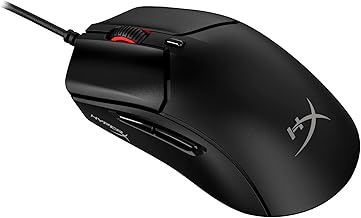
HyperX Pulsefire Haste 2
As a wired option, the Pulsefire Haste 2 sidesteps wireless latency debates entirely while still hitting 8000Hz polling at just 53g. The Hyperflex 2 cable is genuinely low-drag, and plug-and-play simplicity makes this an easy recommendation for players who prioritize consistency over convenience.
Frequently Asked Questions
Do I actually need an 8000Hz polling rate?
Most players won’t notice a dramatic difference above 1000Hz in casual play, but competitive FPS and esports titles can benefit from the smoother cursor motion and reduced click latency that 4000-8000Hz provides, especially on high-refresh-rate monitors.
Does higher polling rate increase DPS or affect game performance?
Polling rate doesn’t change in-game stats directly, but it can reduce the time between your physical movement and the game registering it, which can translate into more consistent aim and faster reaction confirmation.
Will a high polling rate drain my mouse battery faster?
Yes. Running a wireless mouse at 4000Hz or 8000Hz instead of 1000Hz can cut battery life significantly, so check manufacturer ratings at your intended setting rather than the marketed maximum.
Is wired or wireless better for high polling rates?
Both can achieve top-tier polling rates today, but wired mice remove any variability from wireless interference or dongle placement, making them a safer bet for tournament-level consistency.
Final Thoughts
For most competitive gamers, the Razer Viper V3 Pro offers the best all-around blend of weight, sensor quality, and true 8000Hz wireless performance, while the Rapoo VT7 is the standout pick if battery longevity matters most. Budget-conscious buyers who still want a meaningful upgrade should look to the Redragon M916 for a capable, affordable step into high-polling-rate gaming.