
Key takeaways
- GPU tier over GPU generation: An RTX 5050 or 4050 is the realistic ceiling at this budget, and both handle 1080p high settings comfortably. Don’t pay a premium chasing the newest generation badge if the older card is meaningfully cheaper — the performance gap between a 4050 and 5050 is smaller than the marketing suggests.
- 16GB of RAM is the floor, not a luxury: Modern titles routinely ask for 16GB, and Windows plus a browser eats a chunk before the game even launches. An 8GB machine will stutter in ways benchmarks don’t capture. If a deal is only good at 8GB, budget another $40 for a stick.
- Refresh rate needs a CPU behind it: A 165Hz or 180Hz panel is worthless if the processor can’t push frames to fill it. Look for at least a modern 8-core mobile CPU — an i5-13420H is the sensible minimum, and an i7-14650HX or Core 7 240H gives you real headroom.
- Check the chassis, not just the spec sheet: Budget laptops cut cooling before they cut components. Machines with dual fans and rear-plus-side exhaust hold clocks far longer than thin designs with a single blower, and that difference compounds over a long session.
- 1TB of storage saves you money later: A 512GB drive holds roughly four modern AAA installs. If two otherwise-similar machines differ only in storage, the 1TB model is almost always the better value once you price out an aftermarket NVMe.
What's inside
Shopping for a gaming laptop under $1,000 in 2026 is a genuine minefield. Retailers love to pad the sub-$1K shelf with machines that pair a decent GPU with 8GB of RAM, a slow 60Hz panel, or a CPU that throttles into oblivion after twenty minutes of Helldivers. The result is a laptop that benchmarks fine in a store demo and disappoints the moment you actually try to live with it. Meanwhile, the genuinely good deals — last-generation RTX 4050 machines being cleared out, RTX 5050 configs that quietly undercut their own MSRP — tend to appear and vanish within days.
This guide cuts through that. Every machine below is a realistic sub-$1,000 buy at typical street pricing, not a wishful “starting at” figure attached to a configuration nobody actually stocks. We’ve focused on the three things that determine whether a budget gaming laptop still feels good in year three: sustained thermal performance, a display worth looking at, and enough RAM and storage that you aren’t upgrading it out of the box. Below you’ll find our current picks, a short buying framework, and answers to the questions we get asked most.
As an Amazon Associate we earn from qualifying purchases at no extra cost to you. Product prices and availability are accurate as of the date shown and are subject to change.



⚡ Save on Your Next PC — Amazon Prime
Prime members get fast free shipping on the systems above, plus early access to Prime Day & Black Friday PC deals. New members get a 30-day free trial.
Watch: Best Gaming Laptop Under $1000 — Video Review
How to Choose Gaming Laptop Under $1000
- GPU tier over GPU generation: An RTX 5050 or 4050 is the realistic ceiling at this budget, and both handle 1080p high settings comfortably. Don’t pay a premium chasing the newest generation badge if the older card is meaningfully cheaper — the performance gap between a 4050 and 5050 is smaller than the marketing suggests.
- 16GB of RAM is the floor, not a luxury: Modern titles routinely ask for 16GB, and Windows plus a browser eats a chunk before the game even launches. An 8GB machine will stutter in ways benchmarks don’t capture. If a deal is only good at 8GB, budget another $40 for a stick.
- Refresh rate needs a CPU behind it: A 165Hz or 180Hz panel is worthless if the processor can’t push frames to fill it. Look for at least a modern 8-core mobile CPU — an i5-13420H is the sensible minimum, and an i7-14650HX or Core 7 240H gives you real headroom.
- Check the chassis, not just the spec sheet: Budget laptops cut cooling before they cut components. Machines with dual fans and rear-plus-side exhaust hold clocks far longer than thin designs with a single blower, and that difference compounds over a long session.
- 1TB of storage saves you money later: A 512GB drive holds roughly four modern AAA installs. If two otherwise-similar machines differ only in storage, the 1TB model is almost always the better value once you price out an aftermarket NVMe.
The Best Picks Reviewed
ASUS ROG Strix G16 (2025)
This is the most laptop you can realistically get near the $1,000 line, pairing an RTX 5060 with a 14-core i7-14650HX and a 165Hz 16:10 panel that gives you noticeably more vertical working space than a standard 16:9 display. The 1TB Gen 4 SSD and Wi-Fi 7 mean there’s nothing here you’ll feel compelled to upgrade for years — it’s the pick if your budget stretches to the very top of the range.
Acer Nitro V 16
The 16-inch Nitro V hits an unusually clean balance: an RTX 5050, Core 7 240H, 16GB of DDR5, a 1TB drive, and a 180Hz WUXGA panel with no obvious corner cut to pay for it. It’s our default recommendation for most buyers, and the higher refresh rate makes it the better choice if you spend your time in competitive shooters rather than single-player epics.
Acer Nitro V 15
The 15.6-inch sibling trades the larger panel and faster CPU for a lower price, but keeps the RTX 5050 with 8GB of GDDR7 and 16GB of system RAM — the two specs that matter most. At 512GB the storage is tight, but this is the model to buy if you want current-generation graphics with the most money left in your pocket.
Alienware 16 Aurora
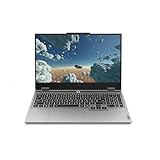
Alienware’s entry into the budget bracket brings a genuinely well-built 16-inch chassis and cooling design to a price point where both are usually compromised, wrapped around an RTX 5050 and Core 7 240H. You’re paying a little for the badge and the build quality rather than raw specs, which is a reasonable trade if you value a laptop that feels solid on a desk every day.
ASUS TUF Gaming A16
The TUF A16’s RTX 4050 is a generation behind, but it’s frequently the cheapest way into a 16-inch 145Hz machine with 16GB of DDR5 and ASUS’s well-regarded durability testing. If you find it discounted, it’s the best value on this list for 1080p gaming at high settings — just plan on adding storage down the line.
Frequently Asked Questions
Can a sub-$1,000 laptop actually run modern AAA games?
Yes, at 1080p with high settings and DLSS enabled, comfortably above 60fps in most 2025–2026 releases. What you’re giving up is native 1440p, ray tracing at playable frame rates, and the ability to max out settings without upscaling. For the vast majority of players on a 1080p panel, that’s a trade worth making.
Is a renewed or refurbished gaming laptop a safe buy?
It can be, provided it’s sold through a program with a clear return window and warranty. The risk with renewed gaming machines specifically is battery health and thermal paste degradation, neither of which shows up in a listing. Treat renewed units as a way to get a better GPU for the money, and inspect thermals in the first week.
Should I wait for a sale instead of buying now?
Gaming laptop pricing in this bracket moves on a roughly quarterly cycle tied to new GPU launches and back-to-school windows. If you don’t need a machine this month, waiting for a major sale event typically saves 10–15%. If you do need one now, current RTX 5050 pricing is already close to where it will settle.
How long will a $1,000 gaming laptop stay relevant?
Expect three to four years of comfortable 1080p gaming, with settings dropping from high to medium toward the end of that window. The components most likely to limit you first are RAM and storage — both upgradeable on most models here — rather than the GPU itself.
Final Thoughts
For most buyers, the 16-inch Acer Nitro V is the smart default: current-generation graphics, 16GB of DDR5, a 1TB drive, and a fast 180Hz panel with no glaring compromise. If your budget reaches the top of the range, the ASUS ROG Strix G16 is a clear step up thanks to its RTX 5060 and i7-14650HX, and it will stay comfortable for longer. And if you can find the ASUS TUF Gaming A16 discounted, its last-generation RTX 4050 remains the best pure value-per-dollar option on this list.


