
Key takeaways
- GPU class: Prioritize a dedicated GPU (RTX 5060 or similar) over integrated graphics like Radeon 660M/680M if you play demanding AAA titles at 1080p or higher.
- RAM headroom: 16GB DDR5 is the practical minimum for modern games; 8GB configurations will bottleneck newer titles and force you to upgrade sooner.
- Display refresh rate: A 144Hz+ panel matters more than resolution for competitive play, so look for 165Hz or 180Hz screens if you play fast-paced shooters.
- Storage speed and capacity: A 512GB+ Gen 4 NVMe SSD keeps load times short and game libraries manageable; 256GB fills up fast once you add a few AAA titles.
- Thermal design: Sustained performance depends on cooling, not just raw specs, so check for laptops with reputations for stable clocks under long gaming sessions rather than just peak benchmark numbers.
What's inside
Finding a capable gaming laptop under $1,000 used to mean choosing between a weak GPU, a cramped display, or a chassis that throttles the moment you load a demanding title. In 2026, that trade-off has narrowed considerably, but the market is still crowded with entry-level machines wearing “gaming” labels they don’t quite earn. Sorting the genuine performers from the spec-sheet pretenders takes some know-how.
This guide breaks down six laptops that actually deliver playable frame rates without blowing your budget, from RTX 5060-equipped powerhouses to lean AMD-based machines built for esports titles and everyday multitasking. We’ll cover what to look for, review the standout picks, and answer the questions buyers ask most.
As an Amazon Associate we earn from qualifying purchases at no extra cost to you. Product prices and availability are accurate as of the date shown and are subject to change.




🎮 Get More From Your Setup — Free
Prime Gaming gives you free PC games every month, in-game loot, and a free Twitch channel sub — plus fast free shipping on all the gear above. New members get a 30-day free trial.
Watch: Best Gaming Laptops Below 1000 — Video Review
How to Choose a Gaming Laptops Below 1000 (2026)
- GPU class: Prioritize a dedicated GPU (RTX 5060 or similar) over integrated graphics like Radeon 660M/680M if you play demanding AAA titles at 1080p or higher.
- RAM headroom: 16GB DDR5 is the practical minimum for modern games; 8GB configurations will bottleneck newer titles and force you to upgrade sooner.
- Display refresh rate: A 144Hz+ panel matters more than resolution for competitive play, so look for 165Hz or 180Hz screens if you play fast-paced shooters.
- Storage speed and capacity: A 512GB+ Gen 4 NVMe SSD keeps load times short and game libraries manageable; 256GB fills up fast once you add a few AAA titles.
- Thermal design: Sustained performance depends on cooling, not just raw specs, so check for laptops with reputations for stable clocks under long gaming sessions rather than just peak benchmark numbers.
The Best Gaming Laptops Below 1000 (2026)s Reviewed
ASUS ROG Strix G16
The Strix G16 punches well above its price class thanks to the RTX 5060 and Core i7-14650HX pairing, backed by a 165Hz 16:10 display that makes both gaming and everyday use feel noticeably sharper. If your budget allows only one splurge, the extra GPU headroom here is worth it.
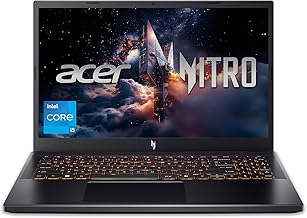
Acer Nitro V 16S AI
With 32GB of RAM, a 180Hz WUXGA panel, and an RTX 5060 GPU, the Nitro V 16S is arguably the best value on this list for buyers who also want AI-accelerated workloads and multitasking muscle alongside solid gaming performance.
NIMO Ryzen 7 7735HS
This NIMO model swaps a discrete GPU for the surprisingly capable Radeon 680M, and combined with 16GB DDR5 it handles esports titles and older AAA games smoothly while staying light enough for school or business use.
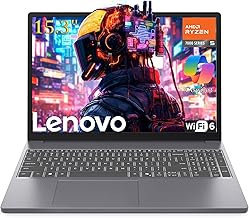
Lenovo 15 Gaming Laptop
The Ryzen 5 7535HS chip is a fine entry-level performer, but the 8GB RAM and 256GB SSD are clear budget compromises best suited to casual or older titles rather than modern demanding games.
MALLRACE Gaming Laptop
The 1TB SSD and numeric keypad stand out for a laptop in this price tier, and the Ryzen 7 5825U with Radeon graphics is adequate for light and older gaming workloads, though it’s better framed as a productivity-first machine that can game on the side.
Frequently Asked Questions
Can you really game well on a laptop under $1,000?
Yes, especially now that RTX 5060 laptops have dropped into this price range; you’ll get solid 1080p performance in most current titles, though you may need to dial back settings for the newest ultra-demanding releases.
Is a dedicated GPU necessary, or can integrated graphics handle modern games?
Integrated GPUs like the Radeon 680M or 660M handle esports titles and older games reasonably well, but a dedicated GPU is essential for smooth performance in newer AAA titles at higher settings.
How much RAM do I actually need for gaming in 2026?
16GB DDR5 is the sensible baseline; 8GB laptops will work for casual titles but will struggle with modern games that increasingly expect more memory headroom.
Should I prioritize CPU or GPU when budget is tight?
For gaming specifically, prioritize the GPU first since it has the biggest impact on frame rates, but don’t neglect the CPU entirely, as a weak processor can bottleneck even a decent graphics card.
Final Thoughts
For most buyers, the ASUS ROG Strix G16 and Acer Nitro V 16S AI offer the strongest overall value with their RTX 5060 GPUs and high-refresh displays, while the NIMO Ryzen 7 7735HS is a smart pick if you want a lighter, GPU-less alternative that still handles esports titles comfortably.


