Key takeaways
- Low-latency features: QoS and gaming acceleration prioritize your traffic to keep ping stable during peak use.
- Band support: Tri-band and WiFi 6E/7 reduce congestion, especially in device-heavy households.
- Multi-gig ports: A 2.5G or 10G WAN port future-proofs your setup for faster internet plans.
- Coverage and antennas: Match rated square footage to your home; more antennas help reach distant rooms.
- CPU power: A quad-core processor handles many simultaneous connections without slowing down.
What's inside
Your router is the unsung hero of online gaming. Even a fast internet plan can feel sluggish behind an aging router that can’t prioritize game traffic or handle a house full of connected devices. A dedicated gaming router keeps latency low, reduces jitter, and often includes quality-of-service tools that put your match ahead of everyone else’s downloads.
We compared routers from mainstream WiFi 6 workhorses to flagship WiFi 7 monsters, weighing latency features, multi-gig ports, coverage, and value. Whether you want the fastest possible connection or a smart upgrade on a budget, there’s a pick here for your setup.
As an Amazon Associate we earn from qualifying purchases at no extra cost to you. Product prices and availability are accurate as of the date shown and are subject to change.


🎮 Get More From Your Setup — Free
Prime Gaming gives you free PC games every month, in-game loot, and a free Twitch channel sub — plus fast free shipping on all the gear above. New members get a 30-day free trial.
Watch: Best Wifi Routers For Gaming — Video Review
How to Choose a WiFi Router for Gaming
- Low-latency features: QoS and gaming acceleration prioritize your traffic to keep ping stable during peak use.
- Band support: Tri-band and WiFi 6E/7 reduce congestion, especially in device-heavy households.
- Multi-gig ports: A 2.5G or 10G WAN port future-proofs your setup for faster internet plans.
- Coverage and antennas: Match rated square footage to your home; more antennas help reach distant rooms.
- CPU power: A quad-core processor handles many simultaneous connections without slowing down.
The Best WiFi Routers for Gaming Reviewed
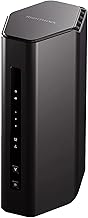
ASUS ROG Rapture GT-BE98 Pro
The GT-BE98 Pro is a quad-band WiFi 7 flagship with 30Gbps aggregate throughput and mesh support. It’s the no-compromise pick for enthusiasts with fast plans.
ASUS ROG Rapture GT-AXE16000
This WiFi 6E powerhouse offers quad-band coverage, dual 10G ports, and triple-level game acceleration. Its lifetime security and AiMesh make it a top choice for serious gamers.
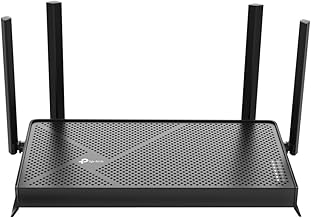
TP-Link BE6500 (BE400)
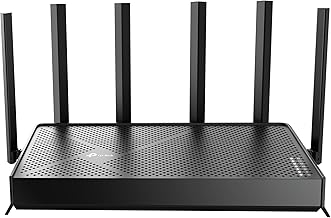
The BE400 brings WiFi 7 with dual 2.5Gbps ports and a quad-core CPU at a more accessible price. It covers up to 2,400 sq. ft. and 90 devices comfortably.
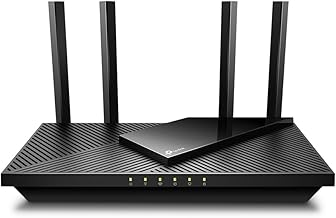
TP-Link AXE5400 Archer AXE75
A PCMag Editors’ Choice, the AXE75 delivers tri-band WiFi 6E with a 2.5Gbps WAN port for gaming and streaming. It’s a well-rounded value pick.
GL.iNet Flint 2 GL-MT6000
The Flint 2 pairs WiFi 6 with dual 2.5G ports and preinstalled OpenWrt for power users who love VPN and custom control. It’s a versatile, tinker-friendly router.
Frequently Asked Questions
Does a gaming router lower ping?
A gaming router with QoS prioritizes your traffic, which can reduce latency spikes during congestion, though your base ping depends on your ISP.
Do I need WiFi 7 for gaming?
WiFi 6 or 6E is plenty for most gamers. WiFi 7 adds lower latency and bandwidth, worth it mainly for fast plans and future-proofing.
Is wired still better than wireless?
A wired Ethernet connection remains the gold standard for the lowest, most stable latency. Use it for your main gaming device when possible.
How important are multi-gig ports?
If you have a gigabit-plus internet plan, a 2.5G or 10G WAN port lets you use the full speed and future-proofs your network.
Final Thoughts
The ASUS ROG Rapture GT-BE98 Pro is our top pick for uncompromising WiFi 7 performance, the TP-Link Archer AXE75 offers the best value with WiFi 6E, and the GL.iNet Flint 2 is ideal for VPN-focused power users.