Key takeaways
- Thermal performance: Top air coolers rival 240 to 280mm AIOs, while 360mm liquid coolers pull ahead on the very hottest CPUs under sustained load.
- Noise: Air coolers are extremely quiet at idle and moderate loads; large AIOs can be quieter under heavy sustained heat because the radiator spreads the load.
- Installation: Air coolers are a single unit to mount, while AIOs require installing a radiator, fans, and routing the pump, which takes more effort.
- Reliability: Air coolers have essentially only a fan to fail; AIOs add a pump and the small long-term risk of leaks or pump wear.
- Aesthetics: AIOs offer a cleaner look around the socket and RGB radiator flair; big air towers are bulkier and can obscure RAM and the board.
- Cost: Air coolers deliver more cooling per dollar, while AIOs command a premium for their performance and looks.
When it comes to keeping your gaming CPU cool, the choice comes down to two philosophies: a big air tower with heat pipes and a fan, or an all-in-one liquid cooler with a radiator and pump. Both are excellent in 2026, and both can tame modern high-core-count processors, but they differ in noise, aesthetics, installation, and long-term maintenance. The old myth that liquid always beats air is far too simplistic, and picking the right one depends on your case, your CPU, and your priorities.
This comparison lays out the real differences between air and liquid AIO cooling for gaming PCs, from thermal performance and acoustics to reliability and looks. Whether you are weighing a top-tier air cooler like a Thermalright Peerless Assassin against a 360mm AIO like an ARCTIC Liquid Freezer III, here is everything you need to decide which cooling approach fits your build.
Our top picks



As an Amazon Associate we earn from qualifying purchases at no extra cost to you. Ratings are shown as listed on Amazon.
⚡ Save on Your Next PC — Amazon Prime
Prime members get fast free shipping on the systems above, plus early access to Prime Day & Black Friday PC deals. New members get a 30-day free trial.
Watch: Air vs Water Cooling for Gaming PCs — Video Review
Quick Verdict
For most gamers, a premium dual-tower air cooler offers the best balance of excellent temperatures, near-silent operation, rock-solid reliability, and unbeatable value, often matching midsize AIOs for far less money. Liquid AIO cooling makes the most sense if you have a very hot high-end CPU, a case where a large air tower will not fit, or you want the clean look and quieter high-load acoustics of a radiator setup. Air for value and reliability; liquid for the hottest chips and aesthetics.
Key Differences
- Thermal performance: Top air coolers rival 240 to 280mm AIOs, while 360mm liquid coolers pull ahead on the very hottest CPUs under sustained load.
- Noise: Air coolers are extremely quiet at idle and moderate loads; large AIOs can be quieter under heavy sustained heat because the radiator spreads the load.
- Installation: Air coolers are a single unit to mount, while AIOs require installing a radiator, fans, and routing the pump, which takes more effort.
- Reliability: Air coolers have essentially only a fan to fail; AIOs add a pump and the small long-term risk of leaks or pump wear.
- Aesthetics: AIOs offer a cleaner look around the socket and RGB radiator flair; big air towers are bulkier and can obscure RAM and the board.
- Cost: Air coolers deliver more cooling per dollar, while AIOs command a premium for their performance and looks.
Air Cooling
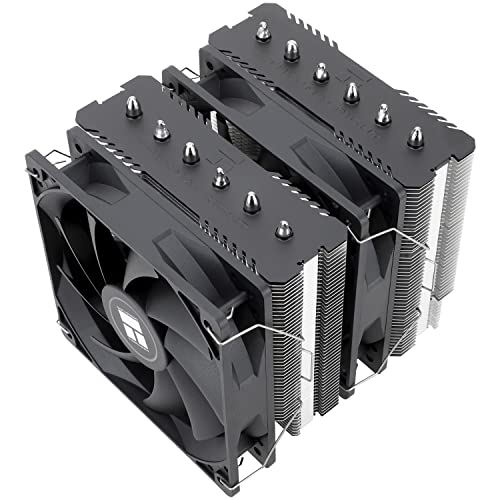
A modern high-end air cooler is a marvel of value. Dual-tower designs like the Thermalright Peerless Assassin use six heat pipes and twin fans to move enormous amounts of heat quietly, keeping even demanding gaming CPUs comfortably cool for a fraction of an AIO’s price. There is no pump to fail, no liquid to leak, and no maintenance beyond occasional dusting, which makes air the set-and-forget choice that will outlast several builds.
The downsides are size and looks. Big air towers are tall and heavy, so you must check clearance for your case width and your RAM height, and their bulk dominates the view through a glass panel. For the very hottest overclocked flagship chips under sustained all-core loads, a large air cooler may run a touch warmer than a 360mm liquid setup. For the vast majority of gaming builds, though, none of that matters and air simply wins on value and peace of mind.
Liquid AIO Cooling
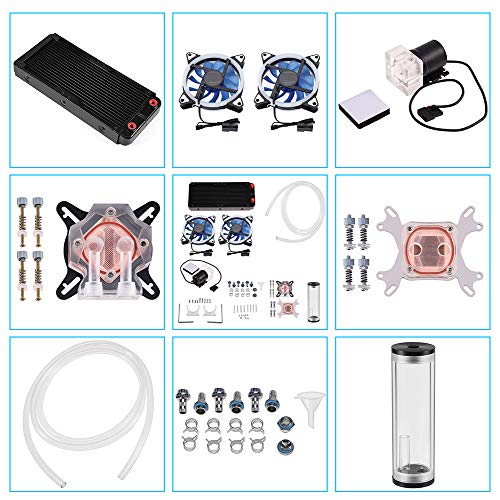
An all-in-one liquid cooler moves heat from the CPU through a pump to a radiator, where fans exhaust it, and this decoupling has real advantages. A 360mm AIO like an ARCTIC Liquid Freezer III or a 240mm Thermalright Aqua Elite keeps the area around the socket uncluttered, leaving RAM and the top of the board fully accessible, and its radiator can dissipate the concentrated heat of a hot high-end CPU very effectively while keeping fan noise reasonable under sustained load.
The considerations are cost, installation, and long-term reliability. AIOs cost more than equivalent air coolers, require mounting a radiator and routing tubes, and introduce a pump that has a finite lifespan and a very small chance of leaking over many years. For enthusiasts chasing the lowest temperatures on a flagship chip, building in a case that cannot fit a large air tower, or wanting a striking clean aesthetic with RGB, a quality AIO is absolutely worth it.
Which Should You Buy?
- Choose air if: you want the best value, maximum reliability, and quiet everyday operation.
- Choose air if: you run a mainstream or mid-range CPU that a top tower easily handles.
- Choose liquid if: you have a very hot high-end CPU that benefits from a 360mm radiator.
- Choose liquid if: your case cannot fit a large air tower or you want a clean, uncluttered socket area.
- Choose liquid if: aesthetics and RGB radiator flair are a priority for your build.
Frequently Asked Questions
Is liquid cooling always better than air?
No. A top-tier air cooler matches or beats midsize AIOs and offers better reliability and value. Liquid only pulls clearly ahead on the hottest high-end CPUs or in cases where a large air tower will not fit.
Do AIO coolers leak?
Quality sealed AIOs rarely leak, but because they contain liquid and a pump, the small long-term risk exists, unlike air coolers. Buying a reputable unit with a good warranty minimizes this concern, and most last many years without issue.
Which is quieter?
Both can be very quiet. Air coolers are near-silent at idle and moderate loads. Under heavy sustained heat, a large AIO can be quieter because its radiator spreads the thermal load across more fan area, letting fans spin slower.
Will a big air cooler fit my case?
Check two measurements: your case’s maximum CPU cooler height and your RAM height clearance, since tall towers can overlap the first memory slot. Most standard mid-tower cases fit large air coolers, but always verify before buying.
Final Verdict
Both cooling methods are excellent, so the decision comes down to your specific build. For most gamers, a premium dual-tower air cooler is the smart choice: outstanding temperatures, whisper-quiet operation, bulletproof reliability, and unbeatable value. Step up to a 360mm liquid AIO when you have a very hot flagship CPU, a case that will not fit a big tower, or a desire for that clean, striking aesthetic. Match the cooler to your CPU and case, and your temperatures will stay in check.