Key takeaways
- Use a gaming mouse with a high polling rate; wired or modern low-latency wireless both work.
- Disable V-Sync and pair adaptive sync with a frame cap just below your refresh rate.
- Enable NVIDIA Reflex or your GPU’s low-latency mode in every game that supports it.
- Turn on your monitor’s Game Mode to skip unnecessary image processing.
What's inside
Input lag is the delay between pressing a key or moving your mouse and seeing the result on screen. Even a few milliseconds can be the difference between landing a shot and missing it, and in fast competitive games that responsiveness is everything. The good news is that most input lag comes from settings and hardware choices you can control.
This guide covers the real sources of input lag, from your monitor and mouse to in-game settings and sync options, and gives you a clear, prioritized plan to cut it down. By the end you will know exactly which changes deliver the biggest reduction in latency for the least effort.
As an Amazon Associate we earn from qualifying purchases at no extra cost to you. Product prices and availability are accurate as of the date shown and are subject to change.



⚡ Save on Your Next PC — Amazon Prime
Prime members get fast free shipping on the systems above, plus early access to Prime Day & Black Friday PC deals. New members get a 30-day free trial.
Watch: How to Reduce Input Lag in Games — Video Review
Where Input Lag Comes From
Total input lag is the sum of several small delays: your peripheral polling, the game engine processing your input, the GPU rendering the frame, and your monitor displaying it. No single setting fixes everything, so the goal is to trim each stage. Understanding this chain helps you target the biggest offenders first instead of chasing tiny gains that you will never feel in practice.
Start With a Fast, Responsive Mouse
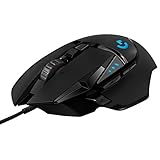
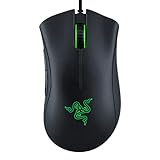
Your mouse is the first link in the chain. A modern gaming mouse with a high polling rate and low click latency reports your movements to the PC far faster than a generic office mouse. Wired options like the Logitech G502 Hero and the Razer Basilisk V3 have essentially zero wireless overhead, while premium wireless models such as the Logitech G305 Lightspeed and the Logitech G PRO X2 Superstrike now match wired latency thanks to modern low-latency radios, so you no longer have to trade responsiveness for a cable-free desk.
Raise Your Frame Rate and Refresh Rate
Higher frame rates directly reduce input lag because new frames, reflecting your latest inputs, appear more often. Pairing a high frame rate with a high-refresh monitor compounds the benefit. If you are frame-limited, lowering graphics settings to push more frames will feel more responsive than a prettier but slower image. This is why competitive players often run reduced settings even on powerful hardware.
Turn Off V-Sync and Use Low-Latency Modes
Traditional V-Sync adds significant input lag by holding frames back to sync with the display. For the lowest latency, disable V-Sync and instead use adaptive sync (FreeSync or G-SYNC) combined with a frame rate cap just below your refresh rate. Also enable your GPU’s low-latency mode, NVIDIA Reflex or the driver’s low-latency option, in supported games, as these features cut the queue of pre-rendered frames and shave off measurable milliseconds.
Optimize Your Monitor and Cables
Your monitor adds its own processing delay. Enable any Game Mode setting to bypass extra image processing, and avoid features like heavy motion smoothing that increase lag. Use DisplayPort or a high-quality HDMI cable rated for your refresh rate, and make sure the monitor is actually set to its highest refresh rate in your OS. A fast panel running in Game Mode can noticeably lower the final display stage of the input chain.
Tips
- Use a gaming mouse with a high polling rate; wired or modern low-latency wireless both work.
- Disable V-Sync and pair adaptive sync with a frame cap just below your refresh rate.
- Enable NVIDIA Reflex or your GPU’s low-latency mode in every game that supports it.
- Turn on your monitor’s Game Mode to skip unnecessary image processing.
Frequently Asked Questions
Does a wireless mouse add input lag?
Older wireless mice did, but modern low-latency models like the Logitech G305 Lightspeed now match wired performance. You no longer have to choose between a cable-free setup and responsiveness.
Is V-Sync bad for input lag?
Traditional V-Sync adds noticeable delay. For competitive play, disable it and use adaptive sync with a frame cap instead, which prevents tearing without the latency penalty.
Will more frames per second reduce input lag?
Yes. Higher frame rates deliver newer frames more often, so your inputs appear on screen sooner. Lowering settings to boost frame rate often feels more responsive than maxing out visuals.
What is NVIDIA Reflex?
It is a low-latency technology that reduces the render queue in supported games, cutting input lag by measurable milliseconds. If your GPU and game support it, turning it on is free performance.
Conclusion
Reducing input lag is about trimming delay at every stage: a fast mouse, high frame rates, adaptive sync instead of V-Sync, low-latency modes like Reflex, and a monitor running in Game Mode. Stack these changes and the improvement is genuinely felt in aim and reaction time, giving you a sharper, more responsive edge in every competitive match.