Key takeaways
- Best-in-class gaming performance, especially minimum frame rates
- Fully overclockable thanks to the redesigned under-core cache
- Drops into existing AM5 boards with DDR5 and PCIe 5.0 support
- Strong for mixed gaming and content-creation workloads
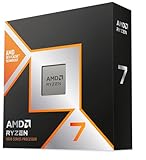
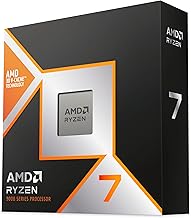
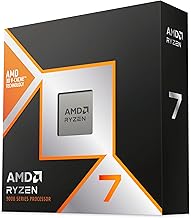
The AMD Ryzen 7 9800X3D is the processor most gaming builders have been waiting for: an 8-core, 16-thread chip built on the newer Zen 5 architecture with a second-generation 3D V-Cache design that, for the first time, sits beneath the cores rather than on top. That change lets it clock higher than previous X3D parts while keeping the enormous cache that makes these chips so fast in games.
It is aimed squarely at gamers who want the best frame rates available and builders who also dabble in productivity work. If you only browse and stream video, or you need maximum multi-core power for heavy rendering above all else, it is more chip than you need, but for high-refresh gaming it is the reference point for 2026.
Our top picks
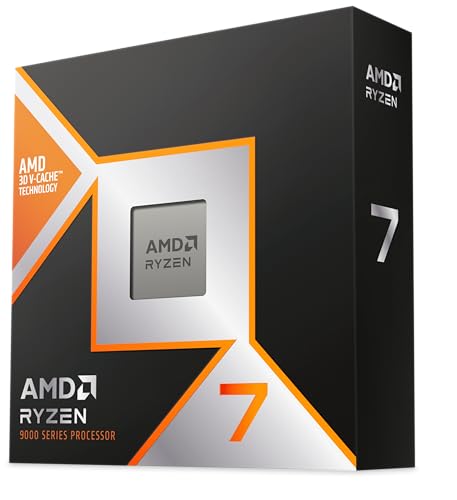
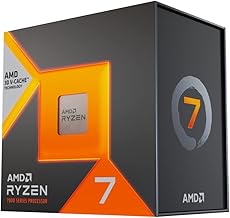
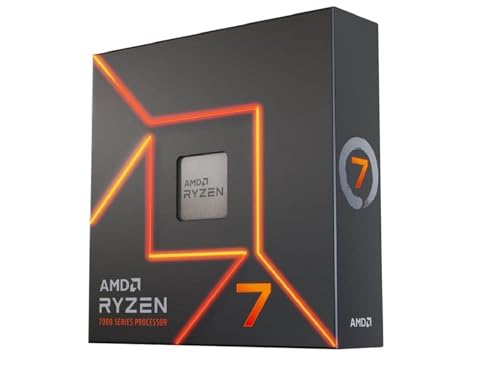
 AMD Ryzen 7 7800X3D 8-Core
- Product Group: Personal Computer
- Binding: Personal Computers


As an Amazon Associate we earn from qualifying purchases at no extra cost to you. Ratings are shown as listed on Amazon.
⚡ Save on Your Next PC — Amazon Prime
Prime members get fast free shipping on the systems above, plus early access to Prime Day & Black Friday PC deals. New members get a 30-day free trial.
Watch: Ryzen 7 9800X3D Review — Video Review
Design & Build
The 9800X3D uses AMD’s AM5 socket, so it drops into existing 600-series boards with a BIOS update and supports DDR5 memory and PCIe 5.0. The redesigned second-gen 3D V-Cache placed under the compute die is the real engineering story: by moving the cache below the cores, AMD improved heat transfer, which is why this X3D chip is fully overclockable rather than locked down like its predecessors. It ships without a cooler, and its higher power ceiling means you should plan for a capable air or liquid cooler to let it stretch its legs.
Performance
In gaming, the 9800X3D is at or near the top of every chart, delivering the highest average and, importantly, minimum frame rates in CPU-bound titles thanks to the massive L3 cache feeding the cores. At high refresh rates and in simulation-heavy or competitive games it pulls clearly ahead of non-X3D parts. The generational jump over the 7800X3D is real but incremental for pure gaming, so it is most compelling for new builds or upgrades from older platforms.
Productivity is where nuance matters. With only 8 cores, it is excellent for mixed gaming-and-creation workloads but is outpaced in heavy multi-threaded rendering by chips with more cores. It also runs hotter and draws more power than earlier X3D parts, so cooling and price are the honest costs of its performance crown.
Pros & Cons
- Best-in-class gaming performance, especially minimum frame rates
- Fully overclockable thanks to the redesigned under-core cache
- Drops into existing AM5 boards with DDR5 and PCIe 5.0 support
- Strong for mixed gaming and content-creation workloads
- Premium price over the still-excellent 7800X3D
- Only 8 cores, so heavy multi-core rendering favors higher-core chips
- Runs hotter and needs a capable cooler, which is sold separately
Alternatives to Consider
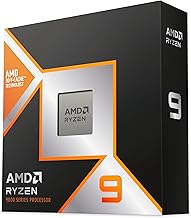
If gaming value is the priority, the AMD Ryzen 7 7800X3D delivers close performance for noticeably less money and remains a superb buy. Need serious multi-core muscle alongside top gaming, the AMD Ryzen 9 9950X3D offers 16 cores for creators who render and game. And for those who want Zen 5 without the 3D cache premium, the AMD Ryzen 7 9700X is a cooler, cheaper all-rounder that still games very well.
Frequently Asked Questions
Is the 9800X3D worth upgrading to from a 7800X3D?
For pure gaming the jump is real but incremental, so a 7800X3D owner rarely needs to upgrade. The 9800X3D makes the most sense for new builds or anyone coming from an older platform who wants the outright fastest gaming chip.
Do I need a new motherboard for it?
No. It uses the AM5 socket, so most existing 600-series boards run it after a BIOS update. You will use DDR5 memory, and the platform supports PCIe 5.0.
Can I overclock it, unlike older X3D chips?
Yes. Because the second-gen 3D V-Cache sits beneath the cores, heat dissipates better and AMD unlocked full overclocking, which earlier X3D processors did not allow.
Is 8 cores enough, or should I get more?
Eight cores are plenty for gaming and light-to-moderate creation. If your workload leans heavily on multi-threaded rendering or compiling, a higher-core chip like the 9950X3D will serve you better.
Verdict
The AMD Ryzen 7 9800X3D is the gaming CPU to beat in 2026, combining top-tier frame rates, newfound overclocking freedom, and easy AM5 compatibility. It commands a premium, runs warm, and caps out at 8 cores, but for anyone building a high-refresh gaming rig who wants the best without stepping into pricier multi-core territory, it is the clear choice.