Key takeaways
- Core architecture: The Ultra 9 285K runs 24 cores but only 24 threads — Intel dropped Hyper-Threading on this generation — while the 9950X3D runs 16 cores with SMT for 32 threads. Intel wins on physical core count; AMD wins on thread-per-core throughput.
- Cache: This is the headline. The 9950X3D carries 128 MB of total L3 via stacked 3D V-Cache, against 36 MB of Intel Smart Cache on the 285K. In cache-sensitive games, that gap is worth double-digit percentage gains.
- Gaming performance: AMD leads in most CPU-bound titles, particularly simulation, strategy, and open-world games. Intel closes the gap at 4K, where the GPU becomes the limiter and the two are often within a few frames of each other.
- Productivity: Intel’s sixteen efficiency cores pay off in heavily threaded workloads — code compilation, batch exports, and some rendering engines favour the 285K. AMD stays ahead in workloads that reward per-core throughput and cache locality.
- Platform and upgrades: AM5 has been a long-lived socket with a clear upgrade path. LGA 1851 is newer but narrower; the Core Ultra 7 270K Plus and the 65 W Core Ultra 9 285 give you options within the family, but fewer future drop-in upgrades.
- Power and cooling: The 285K is efficient at idle and in light loads but pulls hard under sustained all-core work. The 9950X3D is the more efficient gaming chip, though V-Cache limits how aggressively you can push voltage.
What's inside
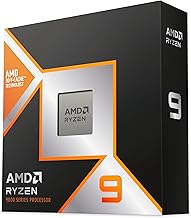
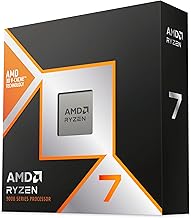
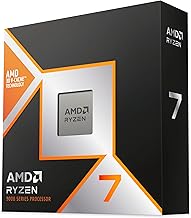
Two chips dominate the high-end desktop conversation in 2026: Intel’s Core Ultra 9 285K and AMD’s Ryzen 9 9950X3D. They arrive at the same problem from opposite directions. Intel throws 24 physical cores at the workload — eight performance cores paired with sixteen efficiency cores, clocking up to 5.7 GHz on a modern LGA 1851 platform with a built-in NPU and a genuinely strong media engine. AMD counters with 16 Zen 5 cores, 32 threads, and a stack of 3D V-Cache that turns the chip into a frame-rate machine in the games that care about memory latency.
The choice matters more now than it did a couple of generations ago. Today’s flagship GPUs are fast enough that at 1080p and 1440p, and increasingly in CPU-bound competitive titles at any resolution, the processor is the thing holding your frame rate down. Simulation-heavy games, large-scale strategy titles, and MMOs punish weak cache and slow memory subsystems. At the same time, more gamers are streaming, editing, and compiling on the same machine, which pulls the decision back toward raw core count. Below is a straight comparison of what each chip actually does well, and which one belongs in your build.
As an Amazon Associate we earn from qualifying purchases at no extra cost to you. Product prices and availability are accurate as of the date shown and are subject to change.



⚡ Save on Your Next PC — Amazon Prime
Prime members get fast free shipping on the systems above, plus early access to Prime Day & Black Friday PC deals. New members get a 30-day free trial.
Watch: Intel Core Ultra 9 vs Ryzen 9: 2026 Battle — Video Review
Quick Verdict
The Ryzen 9 9950X3D is the better pure gaming CPU and the safer long-term platform buy, thanks to its enormous L3 cache and AM5’s continued socket support. The Core Ultra 9 285K is the better all-rounder for creators and heavy multitaskers: it wins several productivity and rendering workloads outright, idles cooler, and its Quick Sync media engine is still the fastest way to encode and transcode video on a desktop. If gaming frame rates are the metric, pick AMD. If your machine spends as much time rendering as it does running games, Intel makes a strong case.
Key Differences
- Core architecture: The Ultra 9 285K runs 24 cores but only 24 threads — Intel dropped Hyper-Threading on this generation — while the 9950X3D runs 16 cores with SMT for 32 threads. Intel wins on physical core count; AMD wins on thread-per-core throughput.
- Cache: This is the headline. The 9950X3D carries 128 MB of total L3 via stacked 3D V-Cache, against 36 MB of Intel Smart Cache on the 285K. In cache-sensitive games, that gap is worth double-digit percentage gains.
- Gaming performance: AMD leads in most CPU-bound titles, particularly simulation, strategy, and open-world games. Intel closes the gap at 4K, where the GPU becomes the limiter and the two are often within a few frames of each other.
- Productivity: Intel’s sixteen efficiency cores pay off in heavily threaded workloads — code compilation, batch exports, and some rendering engines favour the 285K. AMD stays ahead in workloads that reward per-core throughput and cache locality.
- Platform and upgrades: AM5 has been a long-lived socket with a clear upgrade path. LGA 1851 is newer but narrower; the Core Ultra 7 270K Plus and the 65 W Core Ultra 9 285 give you options within the family, but fewer future drop-in upgrades.
- Power and cooling: The 285K is efficient at idle and in light loads but pulls hard under sustained all-core work. The 9950X3D is the more efficient gaming chip, though V-Cache limits how aggressively you can push voltage.
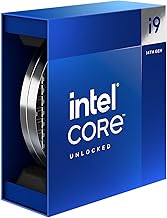
Intel Core Ultra 9 285K
The 285K is Intel’s most balanced flagship in years. Eight performance cores handle latency-sensitive threads while sixteen efficiency cores absorb background load — game capture, Discord, browser tabs, a compile job — without the main game thread ever noticing. Native DDR5-6400 support and CUDIMM compatibility mean memory tuning is less of a dark art than it used to be, and the integrated Xe graphics are competent enough to get a system booted and troubleshooting done without a discrete card installed.
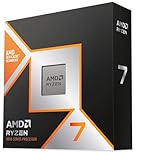
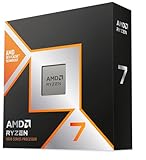
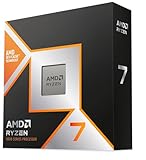
It is also the easier chip to buy well. The Micro Center bundle pairs the 285K with a TUF Gaming Z890-Plus WiFi board, which removes the compatibility guesswork and gets you a VRM stage that can actually feed the chip under load. If you want the same 24-core layout with far lower power draw, the non-K Core Ultra 9 285 runs a 65 W base power with 5.6 GHz turbo and 36 MB of cache — an excellent small-form-factor or quiet-build option. Budget builders should note the older i7-14700K remains a capable 20-core gaming chip on a cheaper platform.
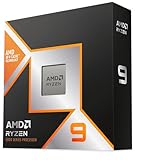
AMD Ryzen 9 9950X3D
The 9950X3D exists to solve one problem exceptionally well: keeping a fast GPU fed. Stacked cache dramatically reduces trips to system memory, and games built around large world states — flight sims, city builders, grand strategy, heavily modded RPGs — respond to that far more than they respond to clock speed. In practice it means smoother 1% lows and higher minimums, which matter more to how a game feels than peak average frame rate does.
Unlike earlier X3D parts, this one doesn’t force a trade-off. Sixteen full Zen 5 cores and 32 threads make it a genuinely strong workstation chip, so streamers and creators aren’t giving up productivity to get the gaming win. AM5 longevity is the other quiet advantage: buy a decent B850 or X870 board now and you have a realistic upgrade path without replacing the motherboard and memory.
Which Should You Buy?
- For maximum frame rates at 1080p/1440p: pick the Ryzen 9 9950X3D. The cache advantage is decisive in CPU-bound games.
- For mixed gaming and content creation: pick the Core Ultra 9 285K, ideally as the Micro Center Z890 bundle for a hassle-free build.
- For a quiet or small-form-factor rig: pick the 65 W Core Ultra 9 285 — same 24 cores, far less heat to deal with.
- For 4K gaming on a budget: pick the Core Ultra 7 270K Plus or the i7-14700K; at 4K your GPU is the bottleneck, not the CPU.
- For the longest upgrade runway: pick AMD and the AM5 platform.
Frequently Asked Questions
Is the 9950X3D worth it over the 285K for 4K gaming?
Less so. At 4K with a demanding title, both chips typically land within a few frames of each other because the GPU is the limiter. The X3D advantage grows as resolution drops or as you chase very high refresh rates.
Does the Core Ultra 9 285K need a high-end cooler?
Yes. Plan on a 360 mm AIO or a top-tier dual-tower air cooler if you want sustained all-core performance. The 65 W Core Ultra 9 285 is the sensible alternative for modest cooling.
Do I need a Z890 motherboard for the 285K?
You need an LGA 1851 board, and Z890 is the sensible choice for memory speed support and overclocking headroom. Bundles that include a board such as the TUF Gaming Z890-Plus WiFi remove the compatibility risk entirely.
Is the i7-14700K still worth buying in 2026?
For value-focused gaming builds, yes. Twenty cores, unlocked multipliers, and integrated graphics on a mature, inexpensive platform still deliver strong 1440p performance — just don’t expect flagship results.
Final Verdict
If your priority is frames per second, the Ryzen 9 9950X3D is the better gaming processor in 2026, and AM5’s upgrade path makes it the easier long-term