Key takeaways
- Perfect blacks and vibrant HDR from OLED’s per-pixel lighting.
- Near-instant 0.03ms response with buttery 240Hz motion.
- Console-ready HDMI 2.1 and adaptive sync support.
- Comprehensive burn-in protection across most models.
What's inside
The combination of OLED and a 240Hz refresh rate represents the current pinnacle of gaming displays. OLED delivers perfect blacks, near-instant response times, and vibrant color, while 240Hz keeps fast motion buttery smooth. Put them together and you get a monitor that’s equally at home in a competitive shooter and a cinematic single-player epic, with almost none of the compromises that plagued earlier panels.
The 27-inch QHD 240Hz OLED class has become fiercely competitive, with QD-OLED and WOLED panels from Samsung, LG, AOC, ASUS, and more. We compared the leading options to help you find the right balance of image quality, features, and value. Here’s how these premium displays stack up.
As an Amazon Associate we earn from qualifying purchases at no extra cost to you. Product prices and availability are accurate as of the date shown and are subject to change.


🎮 Get More From Your Setup — Free
Prime Gaming gives you free PC games every month, in-game loot, and a free Twitch channel sub — plus fast free shipping on all the gear above. New members get a 30-day free trial.
Watch: Oled 240 Hz Monitor: Review & Buyer’s Guide — Video Review
Design & Build
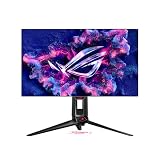
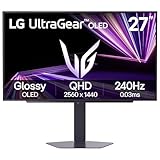
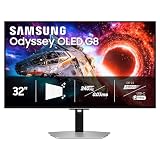
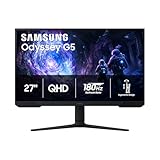
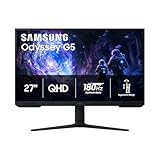
These monitors are as much statement pieces as tools. The Samsung Odyssey OLED G6 uses a QD-OLED panel with a height-adjustable stand and Pantone validation, while the LG UltraGear 27GX704A pairs its WOLED panel with slick styling and G-Sync compatibility. AOC’s Q27GAZD and Agon Pro AG276QZD2 bring QD-OLED at aggressive price points, the latter reaching up to 280Hz with built-in speakers. The ASUS ROG XG27AQDMGR stands out with a glossy TrueBlack coating and a Neo proximity sensor to protect against burn-in. Nearly all include robust OLED-care features like pixel shift and panel refresh cycles, plus DisplayPort and HDMI 2.1 for console play. Build quality is uniformly high, with sturdy stands, thin bezels, and VESA mounting throughout.
Performance
Image quality is where these panels justify their price. OLED’s per-pixel lighting produces inky blacks and dazzling HDR highlights, and the 0.03ms response time eliminates the smearing you’d see on LCDs. At 240Hz, or 280Hz on the AOC Agon Pro, motion is exceptionally fluid, giving competitive players every advantage while immersing single-player fans in vivid detail. QD-OLED panels like the Samsung and AOC models tend to render slightly more saturated color, while the ASUS glossy coating boosts perceived contrast in dim rooms. G-Sync and FreeSync support ensures tear-free gameplay, and HDMI 2.1 unlocks high-refresh play on PS5 and Xbox. The one non-OLED entry, the Dell 240Hz IPS, offers a budget-friendly fast panel but can’t match OLED’s contrast.
Pros & Cons
- Perfect blacks and vibrant HDR from OLED’s per-pixel lighting.
- Near-instant 0.03ms response with buttery 240Hz motion.
- Console-ready HDMI 2.1 and adaptive sync support.
- Comprehensive burn-in protection across most models.
- Premium pricing compared to fast LCD alternatives.
- Burn-in risk remains a long-term consideration with static content.
- Brightness in SDR trails the peak of high-end LCDs.
Alternatives to Consider
If OLED’s price or burn-in concerns give you pause, a fast IPS panel like the Dell 240Hz offers smooth gameplay for far less, albeit with weaker contrast. Buyers who prioritize screen size might look at 32-inch 4K OLED options for a more cinematic experience, though they cost more and demand a stronger GPU. For pure competitive esports, some players prefer even higher-refresh smaller panels over the 27-inch QHD sweet spot.
Frequently Asked Questions
Is OLED burn-in still a concern for gaming monitors?
Modern OLED monitors include pixel-shift, panel refresh, and logo-dimming features that greatly reduce the risk. With sensible use and varied content, burn-in is unlikely for most gamers.
Is 240Hz worth it over 144Hz?
For competitive and fast-paced games, the extra smoothness is noticeable and beneficial. For slower single-player titles, the OLED image quality matters more than the jump from 144Hz.
Can these monitors run at 240Hz on a console?
Consoles cap at lower refresh rates, but HDMI 2.1 lets you enjoy high-refresh play up to the console’s limit. The full 240Hz is reserved for PC gaming.
QD-OLED or WOLED, which is better?
QD-OLED often delivers richer color and better brightness, while WOLED can offer strong text clarity. Both are excellent, so choose based on price, coating, and features rather than panel type alone.
Verdict
A 27-inch QHD 240Hz OLED is the finest all-around gaming display you can buy right now. The Samsung Odyssey OLED G6 and LG UltraGear are premium standouts, the AOC Agon Pro offers exceptional value with up to 280Hz, and the ASUS ROG XG27AQDMGR wins for its glossy contrast and burn-in safeguards. Budget-conscious buyers can fall back on the fast Dell IPS, but for the best image and motion, OLED is worth every penny.