Key takeaways
- Prioritize fast cores and large cache over raw core count for pure gaming.
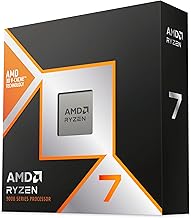
- AMD X3D chips like the Ryzen 7 9800X3D lead in gaming thanks to their stacked cache.
- Match your CPU tier to your GPU so neither becomes a bottleneck.
- Budget for the whole platform: motherboard, DDR5 memory, and a cooler if the chip lacks one.
What's inside
The CPU is the engine that feeds your graphics card, handles game logic, and keeps your frame rate stable in demanding scenes. Choose too weak a chip and it will bottleneck even a powerful GPU; overspend on cores you will never use and you waste money that belonged in your graphics card. Picking the right gaming CPU in 2026 is about understanding what games actually need.
This guide explains which CPU specifications matter for gaming, why cache can matter more than core count, how CPU and GPU balance affects real performance, and how to plan for future upgrades. By the end you will be able to pick a processor that delivers high frame rates without paying for the wrong strengths.
As an Amazon Associate we earn from qualifying purchases at no extra cost to you. Product prices and availability are accurate as of the date shown and are subject to change.







⚡ Save on Your Next PC — Amazon Prime
Prime members get fast free shipping on the systems above, plus early access to Prime Day & Black Friday PC deals. New members get a 30-day free trial.
Watch: How to Choose a Gaming CPU (2026 Guide) — Video Review
What Games Actually Ask of a CPU
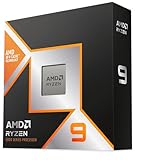
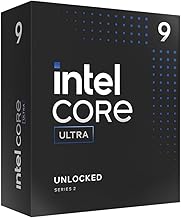
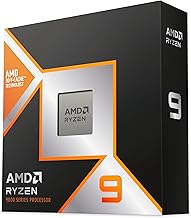
Games care most about fast cores rather than a huge number of them. Most titles use between six and eight cores well, so a strong 6-core or 8-core chip like the AMD Ryzen 5 9600X or the Ryzen 7 9800X3D delivers excellent gaming performance. Very high core counts, like those on a Ryzen 9 9950X3D or an Intel Core i7-14700K, help with streaming and content creation but rarely add gaming frames on their own, so pure gamers should not overpay for cores.
Why Cache Can Beat Core Count
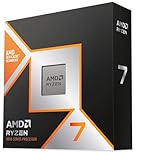
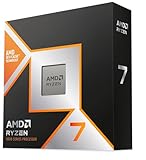
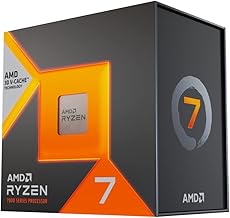
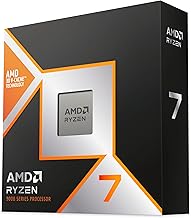
One of the biggest gaming advantages in recent years is large CPU cache. AMD’s X3D chips, such as the Ryzen 7 9800X3D and Ryzen 7 7800X3D, stack extra cache directly on the processor, which dramatically boosts frame rates in games because more data stays instantly available to the cores. For a gaming-first build, a chip with a big cache often beats a higher-core, higher-clock chip that lacks it, which is why X3D processors are so popular with gamers.
Balancing Your CPU and GPU
A gaming PC performs best when the CPU and GPU are matched. Pair a budget CPU with a top-tier GPU and the processor becomes a bottleneck, capping your frame rate below what the graphics card could achieve; do the reverse and the GPU limits you instead. As a rule, a solid mid-range chip like the Ryzen 5 9600X suits mid-range GPUs, while a flagship gaming chip like the Ryzen 7 9800X3D is worth it when paired with a high-end graphics card.
Platform, Socket, and Cooling
Your CPU choice locks you into a platform. AMD’s current AM5 socket and Intel’s latest platform each need a compatible motherboard and DDR5 memory, so budget for the full package, not just the chip. Also check the cooler: some processors include one while high-performance chips like the Ryzen 7 9800X3D do not, and they run best with a capable air or liquid cooler. Factor these costs in before deciding, because a cheap chip on an expensive platform can change the math.
Planning for the Future
A good platform gives you an upgrade path. AMD’s AM5 socket, for example, is designed to support multiple CPU generations, so buying a mid-range chip now like the Ryzen 5 9600X leaves the door open to drop in a faster processor later without replacing your motherboard and memory. If longevity matters to you, favoring a platform with a clear upgrade roadmap can save money over the life of the build.
Tips
- Prioritize fast cores and large cache over raw core count for pure gaming.
- AMD X3D chips like the Ryzen 7 9800X3D lead in gaming thanks to their stacked cache.
- Match your CPU tier to your GPU so neither becomes a bottleneck.
- Budget for the whole platform: motherboard, DDR5 memory, and a cooler if the chip lacks one.
Frequently Asked Questions
How many cores do I need for gaming?
Six to eight fast cores handle almost every game well. A strong 6-core or 8-core chip is ideal; extra cores mainly help streaming and content creation rather than raw gaming frames.
Are AMD X3D chips really better for gaming?
For gaming specifically, yes. The extra stacked cache on chips like the Ryzen 7 9800X3D keeps more data instantly available to the cores, which often translates into a clear frame-rate lead.
Can a weak CPU bottleneck my graphics card?
Absolutely. If the CPU cannot feed frames fast enough, it caps your frame rate below what the GPU could deliver. Matching CPU and GPU tiers avoids this waste.
Do I need the latest Intel or AMD chip?
Not necessarily. A previous-generation gaming favorite like the Ryzen 7 7800X3D still delivers outstanding frame rates and can be better value than the newest release.
Conclusion
For a gaming-first build in 2026, prioritize fast cores and large cache over sheer core count, and let a cache-rich chip like the Ryzen 7 9800X3D anchor a high-end rig while a value option like the Ryzen 5 9600X pairs neatly with mid-range GPUs. Match the CPU to your graphics card, budget for the full platform, and you will get high, stable frame rates without spending on strengths you will never use.