Key takeaways
- Connectivity: Look for USB-C with video and power over one cable, like the ASUS ZenScreen MB169CK, so a single connection drives the display from a compatible laptop or phone.
- Resolution and panel: A 1080p IPS panel is the sweet spot for sharp text and wide viewing angles, and most picks here, including the KYY and cocopar, deliver exactly that.
- Weight and thickness: If you travel constantly, a sub-700g screen such as the MNN keeps your bag light without sacrificing usable screen size.
- Built-in stand: A sturdy integrated kickstand or 360-degree hinge matters daily, since it sets the viewing angle without extra accessories.
- Extras for gaming: Speakers, HDMI input for consoles, and VESA mounting broaden a monitor’s usefulness beyond simple laptop extension.
What's inside
The laptop screen that once felt roomy can shrink fast when you are juggling spreadsheets, editing timelines, or trying to game on the go. A portable monitor solves that in seconds, adding a second display that folds flat and travels in a laptop bag. In 2026, these travel screens have become brighter, thinner, and easier to power, with single-cable USB-C connections and built-in kickstands that make dual-screen productivity possible anywhere.
We tested a range of portable monitors, from ultra-affordable FHD panels to larger 18.5-inch second screens and clever triple-display attachments, weighing image quality, connectivity, weight, and stand design. Our picks below suit remote workers, travelers, and console gamers alike. Following the recommendations, our buying guide explains the specs that actually matter so you can choose the right screen for the way you work and play.
As an Amazon Associate we earn from qualifying purchases at no extra cost to you. Product prices and availability are accurate as of the date shown and are subject to change.




⚡ Save on Your Next PC — Amazon Prime
Prime members get fast free shipping on the systems above, plus early access to Prime Day & Black Friday PC deals. New members get a 30-day free trial.
Watch: Best Portable Monitor 2026 — Video Review
How to Choose a Portable Monitor
- Connectivity: Look for USB-C with video and power over one cable, like the ASUS ZenScreen MB169CK, so a single connection drives the display from a compatible laptop or phone.
- Resolution and panel: A 1080p IPS panel is the sweet spot for sharp text and wide viewing angles, and most picks here, including the KYY and cocopar, deliver exactly that.
- Weight and thickness: If you travel constantly, a sub-700g screen such as the MNN keeps your bag light without sacrificing usable screen size.
- Built-in stand: A sturdy integrated kickstand or 360-degree hinge matters daily, since it sets the viewing angle without extra accessories.
- Extras for gaming: Speakers, HDMI input for consoles, and VESA mounting broaden a monitor’s usefulness beyond simple laptop extension.
The Best Portable Monitors Reviewed
KYY 15.6″ Portable Monitor
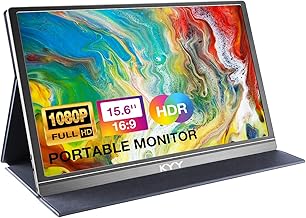
The KYY is our all-around favorite, pairing a 1080p FHD IPS panel with USB-C and HDMI inputs, built-in speakers, HDR, and a protective cover that doubles as a stand. With over 13,000 reviews, it hits the ideal mix of price, features, and versatility for work or travel gaming.
cocopar 15.6″ Travel Monitor
With an excellent rating and 85% sRGB coverage, the cocopar is the pick for anyone who cares about color. It offers 60Hz FHD, speakers, HDMI and USB-C inputs, VESA mounting, and a cover stand, making it equally at home extending a MacBook or feeding a PS5.
ASUS ZenScreen MB169CK
ASUS brings brand reliability with the ZenScreen MB169CK. Its dual USB-C ports, 360-degree kickstand, and anti-glare IPS panel make it a plug-and-play travel companion. The refined build and flexible stand justify its place for professionals who want a dependable, no-drama second screen.
MNN 15.6″ Portable Monitor
At just 694g and 0.76cm thick, the MNN is the featherweight champion. One USB-C cable powers the FHD IPS display, and it plays nicely with PCs, Macs, phones, and the Switch. Speakers, a stand, and low-blue-light modes round out a remarkably affordable travel package.
VisionOwl 18.5″ Portable Monitor
When you want more screen real estate, the VisionOwl’s larger 18.5-inch IPS panel delivers. It supports USB-C and HDMI, includes a built-in kickstand and speakers, and is VESA mountable, making it a strong second display for laptops, MacBooks, and consoles when a 15-inch screen feels cramped.
Frequently Asked Questions
Can a portable monitor run on one cable?
Yes, if both the monitor and your laptop support USB-C with DisplayPort Alt Mode and enough power delivery. Models like the ASUS ZenScreen and MNN can carry video and power over a single USB-C cable in that scenario.
Will these work with a phone or game console?
Many portable monitors support phones with USB-C video output and consoles via HDMI. The cocopar and KYY, for example, list PS4, PS5, Xbox, and Switch compatibility, though a console will need the monitor’s own power source.
Do I need to install any software?
No. Portable monitors are plug-and-play displays that your operating system recognizes automatically, just like any external monitor. You simply connect the cable and choose extend or mirror mode in your display settings.
Is 1080p enough for a portable monitor?
For a 15.6-inch screen, 1080p provides sharp text and clear images for productivity and gaming. Higher resolutions exist but cost more and draw additional power, so FHD remains the practical sweet spot for most travelers.
Final Thoughts
A portable monitor is one of the highest-impact productivity upgrades a laptop user can buy, and gamers get a bonus travel screen for consoles too. The KYY 15.6-inch earns our top recommendation for balancing price, features, and reliability, while the featherweight MNN suits frequent flyers and the larger VisionOwl serves those craving extra space. Prioritize USB-C single-cable operation and a solid stand, and you will have a second screen ready wherever 2026 takes you.