Key takeaways
- VRAM capacity: 16GB is the practical sweet spot for 4K editing and effects, preventing slowdowns with large timelines, high-resolution footage, and heavy color grading.
- Hardware encoders: NVIDIA’s NVENC and dual-encoder cards accelerate exports significantly, while AMD’s encoders have improved but still trail in some editing suites.
- CUDA vs OpenCL: Many editing apps like Premiere and DaVinci Resolve lean on CUDA, giving NVIDIA an edge, though Resolve also runs well on AMD.
- Compute performance: More cores speed up effects, transitions, and AI-based tools like scene detection and noise reduction that modern editors rely on.
- Budget and balance: Match the GPU to your CPU, RAM, and storage; an unbalanced system bottlenecks even the fastest card.
What's inside
Choosing the best GPU for video editing means balancing raw compute, VRAM capacity, and encoder quality rather than chasing gaming frame rates alone. Whether you cut 4K timelines, grade footage, or render 3D, the right graphics card accelerates playback, exports, and effects dramatically, and 2026’s lineup offers strong options at every budget.
This roundup covers the best GPUs for video editing, comparing NVIDIA and AMD cards across VRAM, encoding, and value, so you can pick the accelerator that keeps your creative workflow smooth and fast.
As an Amazon Associate we earn from qualifying purchases at no extra cost to you. Product prices and availability are accurate as of the date shown and are subject to change.


🎮 Get More From Your Setup — Free
Prime Gaming gives you free PC games every month, in-game loot, and a free Twitch channel sub — plus fast free shipping on all the gear above. New members get a 30-day free trial.
Watch: Best Gpu For Video Editing 2026 — Video Review
How to Choose a Video Editing GPU
- VRAM capacity: 16GB is the practical sweet spot for 4K editing and effects, preventing slowdowns with large timelines, high-resolution footage, and heavy color grading.
- Hardware encoders: NVIDIA’s NVENC and dual-encoder cards accelerate exports significantly, while AMD’s encoders have improved but still trail in some editing suites.
- CUDA vs OpenCL: Many editing apps like Premiere and DaVinci Resolve lean on CUDA, giving NVIDIA an edge, though Resolve also runs well on AMD.
- Compute performance: More cores speed up effects, transitions, and AI-based tools like scene detection and noise reduction that modern editors rely on.
- Budget and balance: Match the GPU to your CPU, RAM, and storage; an unbalanced system bottlenecks even the fastest card.
The Best GPUs for Video Editing Reviewed
ASUS ProArt RTX 5080 16GB
Purpose-built for creators, the ASUS ProArt RTX 5080 pairs 16GB of GDDR7 with a clean, understated design and even a USB Type-C output. Its strong CUDA compute and NVENC encoding make it a superb choice for demanding 4K and multi-stream editing workflows.
ASUS TUF Gaming RTX 5080 16GB
The TUF Gaming RTX 5080 delivers the same 16GB Blackwell power in a rugged, well-cooled package. It is an excellent pick for editors who also game, offering top-tier encoding and compute performance with durable construction and quiet thermals.
ASUS Prime Radeon RX 9070 XT 16GB
AMD’s RX 9070 XT with 16GB of GDDR6 is a strong value contender, especially in DaVinci Resolve where it performs admirably. Its OC edition cooling and modern connectivity make it a compelling choice for editors who favor AMD’s price-to-performance.
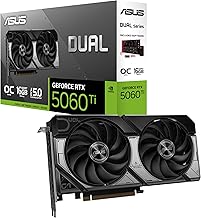
ASUS Dual RTX 5060 Ti 16GB
For editors on a tighter budget, the ASUS Dual RTX 5060 Ti with 16GB of GDDR7 offers plenty of VRAM and solid NVENC encoding at a mainstream price. It handles 4K editing capably, making it a smart value for hobbyists and semi-pros.
GIGABYTE Radeon RX 9070 XT Gaming OC 16G
The GIGABYTE RX 9070 XT Gaming OC brings 16GB of GDDR6 and robust cooling to AMD’s editing value story. With PCIe 5.0 and strong compute, it is a capable, cost-effective accelerator for Resolve-based color and editing work.
Frequently Asked Questions
How much VRAM do I need for video editing?
16GB is the sweet spot for 4K editing, color grading, and effects. It prevents the slowdowns that occur when large timelines and high-resolution footage exceed a smaller frame buffer.
Is NVIDIA or AMD better for editing?
NVIDIA generally leads thanks to CUDA support and strong NVENC encoders, especially in Premiere Pro. AMD cards like the RX 9070 XT are excellent value and perform very well in DaVinci Resolve.
Does the GPU or CPU matter more for editing?
Both matter. The GPU accelerates playback, effects, and exports, while the CPU handles decoding and general timeline work. A balanced system avoids bottlenecks and delivers the smoothest experience.
Can a mid-range GPU handle 4K editing?
Yes. A 16GB card like the RTX 5060 Ti handles 4K editing well for most creators. Heavier multi-stream, 8K, or effects-laden work benefits from stepping up to an RTX 5080-class card.
Final Thoughts
For serious video editing, the ASUS ProArt RTX 5080 is the standout thanks to its creator focus, 16GB frame buffer, and strong encoding, while the RX 9070 XT is the value champion for Resolve users and the RTX 5060 Ti 16GB is the budget-friendly all-rounder. Prioritize 16GB of VRAM and good encoder support, balance the GPU with your CPU and RAM, and your editing workflow will feel dramatically faster.