Key takeaways
- Target resolution: 1080p cards deliver the best value, 1440p is the modern sweet spot, and 4K demands the most powerful, high-VRAM options.
- VRAM capacity: 8GB is today’s minimum for smooth 1080p, while 12GB to 16GB gives headroom for high textures and 1440p or 4K gaming.
- Upscaling support: NVIDIA’s DLSS 4 and AMD’s FSR boost frame rates significantly, so consider which ecosystem’s features you value most.
- Power and case fit: Higher-tier cards draw more power and use larger coolers, so verify your PSU wattage and case clearance before buying.
- Generation matters: Newer architectures offer better efficiency and features, so weigh an older bargain against a current-gen card’s longevity.
What's inside
The graphics card is the single most important component in any gaming PC, dictating the resolution, frame rate, and visual quality you can enjoy. Choosing the best gaming GPU means matching a card to your target resolution and budget, then factoring in features like DLSS and FSR upscaling that squeeze extra performance from modern hardware. With options spanning entry-level bargains to high-end powerhouses, there is a right card for every kind of gamer.
In this roundup we compare a wide-ranging mix of gaming GPUs across multiple generations and tiers, from the budget Kelinx RX 580 to current-gen NVIDIA RTX 5060 cards, the RTX 5060 Ti, an RTX 4070, and the AMD RX 9070 XT. We will be clear that these serve very different resolutions and budgets, so you can zero in on the card that best fits the games and settings you actually play at.
As an Amazon Associate we earn from qualifying purchases at no extra cost to you. Product prices and availability are accurate as of the date shown and are subject to change.


🎮 Get More From Your Setup — Free
Prime Gaming gives you free PC games every month, in-game loot, and a free Twitch channel sub — plus fast free shipping on all the gear above. New members get a 30-day free trial.
Watch: Best Gaming Gpu — Video Review
How to Choose a Gaming GPU
- Target resolution: 1080p cards deliver the best value, 1440p is the modern sweet spot, and 4K demands the most powerful, high-VRAM options.
- VRAM capacity: 8GB is today’s minimum for smooth 1080p, while 12GB to 16GB gives headroom for high textures and 1440p or 4K gaming.
- Upscaling support: NVIDIA’s DLSS 4 and AMD’s FSR boost frame rates significantly, so consider which ecosystem’s features you value most.
- Power and case fit: Higher-tier cards draw more power and use larger coolers, so verify your PSU wattage and case clearance before buying.
- Generation matters: Newer architectures offer better efficiency and features, so weigh an older bargain against a current-gen card’s longevity.
The Best Gaming GPUs Reviewed
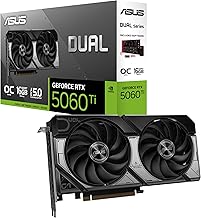
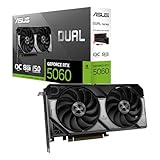
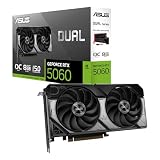
ASUS Dual RTX 5060 8GB
The RTX 5060 with 8GB of GDDR7 is a strong current-gen 1080p performer, supporting DLSS 4 in a compact, quiet 2.5-slot design with 0dB fan technology. It is an efficient, feature-rich choice for mainstream gamers building a modern rig.
GIGABYTE RTX 5060 Ti Windforce MAX OC 16G
Stepping up, the RTX 5060 Ti with 16GB of GDDR7 excels at 1440p gaming, pairing generous VRAM with DLSS 4 and a robust Windforce cooler. Its extra memory makes it a smart, future-friendly pick for higher settings and textures.
GIGABYTE RX 9070 XT Gaming OC 16G
AMD’s RX 9070 XT with 16GB of GDDR6 is the high-end standout here, built on RDNA 4 for high-refresh 1440p and entry 4K gaming. Its strong rasterization and ample VRAM make it a powerhouse for demanding titles.
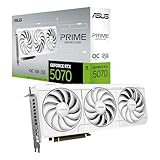
ASUS Dual RTX 4070 White OC 12GB
The RTX 4070 with 12GB of GDDR6X remains a capable 1440p performer with DLSS 3 support and a clean white design for themed builds. It is a well-balanced option for gamers who want solid mid-to-high-tier performance.
Kelinx RX 580 8GB Budget Pick
The RX 580 with 8GB of GDDR5 is the budget entry, suited to esports and older AAA titles at 1080p. It is an aging card, but for casual and competitive gaming on a tight budget, it still gets the job done.
Frequently Asked Questions
Which GPU is best for 1440p?
The RTX 5060 Ti 16GB and RX 9070 XT are the strongest 1440p options here, with the RX 9070 XT reaching into entry 4K. The RTX 4070 is also a capable 1440p performer.
Is 8GB of VRAM still enough?
For 1080p, yes, cards like the RTX 5060 handle it well. For 1440p, higher textures, and future-proofing, 12GB to 16GB options are the safer long-term choice.
Should I buy an older bargain card?
Budget cards like the RX 580 work for esports and older games, but current-gen cards offer better efficiency, features, and longevity. Weigh the savings against how long you want the card to last.
NVIDIA or AMD for gaming?
NVIDIA leads in ray tracing and DLSS 4, while AMD often gives more VRAM and rasterization per dollar. Choose based on the features and games that matter most to you.
Final Thoughts
The best gaming GPU depends entirely on your resolution and budget. For mainstream 1080p, the RTX 5060 offers efficient, modern value, while the RTX 5060 Ti 16GB is the smart 1440p pick with future-proof memory. Gamers chasing high-refresh 1440p or entry 4K should target the AMD RX 9070 XT, and budget players can still enjoy the RX 580. Match the card to your monitor and games, confirm your power and case fit, and you will build a rig that games beautifully.