Key takeaways
- Excellent 1440p performance: smooth high-refresh gameplay in modern titles.
- DLSS 4 frame generation: significantly boosts playable settings.
- SFF-ready options: the PNY OC fits compact builds many rivals can’t.
- Durable designs: the ASUS TUF adds military-grade build quality.
What's inside
The Nvidia GeForce RTX 5070 has become the go-to graphics card for gamers who want excellent 1440p performance without stepping into flagship pricing. Built on the Blackwell architecture with 12GB of GDDR7 memory and DLSS 4, it delivers the kind of frame rates and image quality that make high-refresh gaming feel effortless in most modern titles.
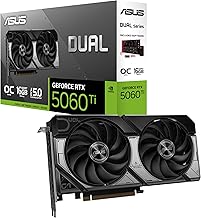
Board partners offer the 5070 in a range of designs, and choosing between them comes down to cooling, acoustics, size, and factory tuning rather than raw silicon. In this review we compare standouts including the PNY OC Triple Fan, the ASUS TUF Gaming OC, the GIGABYTE AERO OC, the ZOTAC Solid, and MSI’s Gaming Trio OC, so you can pick the right card for your build.
As an Amazon Associate we earn from qualifying purchases at no extra cost to you. Product prices and availability are accurate as of the date shown and are subject to change.


🎮 Get More From Your Setup — Free
Prime Gaming gives you free PC games every month, in-game loot, and a free Twitch channel sub — plus fast free shipping on all the gear above. New members get a 30-day free trial.
Watch: Nvidia Geforce Rtx 5070 Graphic Card: Review & Buyer’s Guide — Video Review
Design & Build
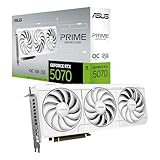
Cooler design is the main differentiator here. The ASUS TUF Gaming OC leans on military-grade components, a protective PCB coating, and axial-tech fans in a robust 3.125-slot design built for durability and quiet operation. The PNY OC Triple Fan is notably SFF-ready with a 2.4-slot profile, making it a strong pick for compact builds. GIGABYTE’s AERO OC brings a clean white WINDFORCE aesthetic for lighter-themed rigs, while the MSI Gaming Trio OC and ZOTAC Solid offer sturdy triple-fan and compact triple-fan cooling respectively. Confirm slot clearance and case length before buying, especially for the larger ASUS design.
Performance
All these cards share the same core 5070 specification: 12GB GDDR7 on a 192-bit bus, PCIe 5.0, and DLSS 4 support, so baseline performance is consistent. Factory-overclocked models like the MSI Gaming Trio OC (boosting to 2625 MHz) and the PNY OC (2587 MHz) squeeze out modest extra clocks, but the differences between partner cards are small in real gameplay. Where they diverge is thermals and noise: larger coolers like the ASUS TUF run quieter under sustained load, while compact SFF-ready designs prioritize fit over ultimate cooling headroom. Across the board, this is a card built for smooth 1440p high-refresh gaming.
Pros & Cons
- Excellent 1440p performance: smooth high-refresh gameplay in modern titles.
- DLSS 4 frame generation: significantly boosts playable settings.
- SFF-ready options: the PNY OC fits compact builds many rivals can’t.
- Durable designs: the ASUS TUF adds military-grade build quality.
- 12GB VRAM ceiling: may feel limiting for 4K ultra-textures.
- Minimal OC gains: factory tuning rarely justifies large price premiums.
- Size varies: the largest coolers won’t fit every case.
Alternatives to Consider
If you game at 4K or want extra VRAM headroom, the RTX 5070 Ti with 16GB is the logical step up. On the value side, AMD’s RX 9070 series competes directly at 1440p and sometimes undercuts on price. And if you’re building a tiny system, prioritize the SFF-ready PNY over larger cards regardless of small clock differences.
Frequently Asked Questions
Is the RTX 5070 good for 1440p gaming?
Yes, it’s arguably the ideal 1440p card in its price class, delivering high frame rates in modern titles, especially with DLSS 4 enabled for demanding games.
Does the factory overclock matter?
Only marginally. OC models like the MSI Gaming Trio gain a few percent, but the practical difference in gameplay is small. Prioritize cooling and fit over clock speed.
Which 5070 is best for a small build?
The PNY OC Triple Fan is SFF-ready with a slim 2.4-slot profile, making it the best pick for compact cases where clearance is tight.
Do I need a new power supply for the 5070?
Check your PSU’s wattage and connectors against the specific card’s requirements. Most quality mid-to-high wattage supplies handle the 5070 comfortably.
Verdict
Among GeForce RTX 5070 cards, the ASUS TUF Gaming OC is the best all-round pick for its durable build and quiet cooling, while the PNY OC Triple Fan is the clear choice for small-form-factor builds. The MSI Gaming Trio OC appeals to those wanting the highest factory clocks. Since core performance is identical, choose based on cooling, size, and aesthetics, and you’ll enjoy excellent 1440p gaming either way.