Key takeaways
- Pro: Strong super-ultrawide performance with DLSS 4.
- Pro: 12GB GDDR7 and modern DisplayPort 2.1 outputs suit 49-inch panels.
- Pro: Excellent value versus higher-tier GPUs.
- Pro: Great for immersive single-player and productivity multitasking.
What's inside
Pairing an RTX 5070 with a 49-inch monitor is a tempting proposition: one of the generation’s best value GPUs driving an immersive super-ultrawide canvas. But a 49-inch panel, typically running a demanding 5120×1440 resolution, asks a lot of any graphics card, so the question is whether the 5070 has the muscle to keep those enormous displays fed.
In this review we examine how the RTX 5070 handles super-ultrawide gaming, which cards and prebuilt systems make sense, and where you may need to temper expectations. If you dream of a wraparound 32:9 experience without splurging on a flagship GPU, here is the honest picture.
As an Amazon Associate we earn from qualifying purchases at no extra cost to you. Product prices and availability are accurate as of the date shown and are subject to change.


🎮 Get More From Your Setup — Free
Prime Gaming gives you free PC games every month, in-game loot, and a free Twitch channel sub — plus fast free shipping on all the gear above. New members get a 30-day free trial.
Watch: Rtx 5070 For 49 In Monitor: Review & Buyer’s Guide — Video Review
Design & Build
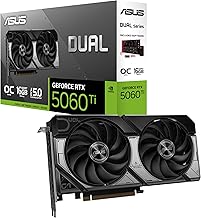
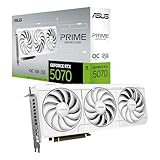
The RTX 5070 is available both as standalone cards and inside prebuilt desktops. Board partner models like the MSI RTX 5070 Gaming Trio OC and ASUS TUF Gaming RTX 5070 OC feature robust triple-fan coolers, DisplayPort 2.1, and HDMI 2.1 outputs, which are essential for driving high-refresh super-ultrawide panels. If you prefer a turnkey system, options such as the Skytech Rampage and HP OMEN 45L bundle the GPU with capable CPUs, ample RAM, and quality power delivery. Build quality across these is strong, and the modern display outputs ensure you can actually run a 49-inch monitor at its native high refresh.
Performance
With 12GB of GDDR7, the RTX 5070 delivers excellent 1440p performance and handles super-ultrawide 5120×1440 gaming well, especially with DLSS 4 enabled. In esports and well-optimized titles it drives 49-inch panels at high frame rates, and in demanding AAA games it remains very playable at high settings with upscaling. The main caveat is the most punishing ray-traced titles at native 32:9, where frame rates dip and DLSS becomes important. For productivity and immersive sim, strategy, and racing games, the pairing is superb. Prebuilts like the OMEN 45L with a Core Ultra 9 add CPU headroom that helps at these wide resolutions.
Pros & Cons
- Pro: Strong super-ultrawide performance with DLSS 4.
- Pro: 12GB GDDR7 and modern DisplayPort 2.1 outputs suit 49-inch panels.
- Pro: Excellent value versus higher-tier GPUs.
- Pro: Great for immersive single-player and productivity multitasking.
- Con: Heavy ray tracing at native 32:9 can strain the card.
- Con: 12GB VRAM is adequate but not generous at this resolution.
- Con: Prebuilt systems carry a price premium.
Alternatives to Consider
If you want more headroom for maxed ray tracing at 5120×1440, the RTX 5070 Ti (such as the ASUS SFF-Ready Prime model) offers a meaningful step up with 16GB of VRAM. Budget-focused builders can consider a prebuilt like the Black RGB Ryzen 7 5700X system to save money. But for most players wanting a balanced super-ultrawide rig, the standard RTX 5070 hits a compelling sweet spot between price and capability.
Frequently Asked Questions
Can the RTX 5070 run a 49-inch 5120×1440 monitor?
Yes. It drives super-ultrawide panels well, particularly with DLSS enabled, delivering high frame rates in most titles and playable performance in demanding ones.
Is 12GB of VRAM enough for 32:9 gaming?
It is adequate for the vast majority of games at high settings. In the most VRAM-hungry titles at native resolution, you may occasionally reduce texture settings.
Do I need DisplayPort 2.1 for a 49-inch monitor?
Modern display outputs like DisplayPort 2.1 or HDMI 2.1 ensure you can run these panels at their full high-refresh resolution, so verify your monitor’s inputs.
Should I buy a card or a prebuilt?
A standalone card saves money if you build yourself, while prebuilts like the Skytech Rampage or HP OMEN 45L offer convenience and balanced components out of the box.
Verdict
The RTX 5070 is a strong and sensible partner for a 49-inch super-ultrawide monitor, delivering immersive high-refresh gaming at great value thanks to DLSS 4. Step up to a 5070 Ti only if you demand maxed ray tracing at native 32:9; for everyone else, the standard 5070, whether as a card or in a system like the OMEN 45L, is an excellent choice.