Key takeaways
- Target resolution: Match the card to how you play. Budget cards suit 1080p and esports, while mid-range cards handle high-refresh 1440p.
- VRAM: More video memory helps at higher resolutions and with modern textures. Aim for enough headroom for the games you play.
- Cooling and size: Dual-fan and larger coolers keep temperatures and noise down. Confirm the card fits your case.
- Power supply: Ensure your PSU has enough wattage and the right connectors for your chosen card.
- Features: Modern cards support upscaling like DLSS and FreeSync, which boost frame rates and smooth out gameplay.
What's inside
The graphics card is the single most important component for gaming performance, and finding the best GPU for your money means balancing frame rates, resolution, and price. With current-generation cards spanning affordable 1080p options to high-refresh 1440p performers, there is a sweet spot for every budget. The trick is matching a card to the resolution you play at so you get maximum value without overspending.
We rounded up a range of graphics cards that deliver strong value, from budget-friendly options for esports and 1080p gaming to more capable cards for high-refresh 1440p play. Each targets a different price and performance tier, so read on to find the GPU that gives you the best bang for your buck at your favorite resolution.
As an Amazon Associate we earn from qualifying purchases at no extra cost to you. Product prices and availability are accurate as of the date shown and are subject to change.


🎮 Get More From Your Setup — Free
Prime Gaming gives you free PC games every month, in-game loot, and a free Twitch channel sub — plus fast free shipping on all the gear above. New members get a 30-day free trial.
Watch: Best Gpu For The Money 2026 — Video Review
How to Choose a Graphics Card
- Target resolution: Match the card to how you play. Budget cards suit 1080p and esports, while mid-range cards handle high-refresh 1440p.
- VRAM: More video memory helps at higher resolutions and with modern textures. Aim for enough headroom for the games you play.
- Cooling and size: Dual-fan and larger coolers keep temperatures and noise down. Confirm the card fits your case.
- Power supply: Ensure your PSU has enough wattage and the right connectors for your chosen card.
- Features: Modern cards support upscaling like DLSS and FreeSync, which boost frame rates and smooth out gameplay.
The Best Value Graphics Cards Reviewed
ASUS Prime Radeon RX 9070 XT
The ASUS Prime RX 9070 XT is a strong high-value performer with 16GB of GDDR6, PCIe 5.0, and a robust triple-slot cooler with dual BIOS. Its generous memory and solid performance make it an excellent choice for high-refresh 1440p gaming and demanding modern titles.
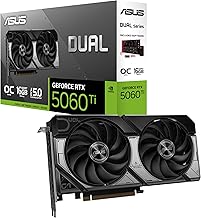
ASUS Dual GeForce RTX 5060 Ti 16GB
The ASUS Dual RTX 5060 Ti pairs 16GB of fast GDDR7 with DLSS 4 support, HDMI 2.1b, and a quiet 0dB cooling design. The ample memory and modern feature set make it a smart mid-range pick for 1440p gaming with plenty of headroom for future titles.
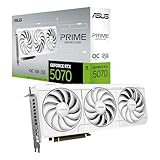
ASUS Prime GeForce RTX 5070
The ASUS Prime RTX 5070 brings 12GB of GDDR7, PCIe 5.0, and an SFF-ready design with dual BIOS. It delivers strong high-refresh 1440p performance and modern features, making it a compelling choice for gamers who want next-generation power without stepping into flagship pricing.
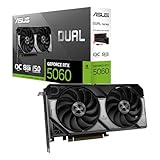
ASUS Dual GeForce RTX 5060 8GB
The ASUS Dual RTX 5060 offers 8GB of GDDR7, DLSS 4, and a compact dual-fan cooler. It is a great value option for 1080p and entry-level 1440p gaming, bringing current-generation features to budget-conscious builders at an accessible price.
GIGABYTE RTX 3050 WINDFORCE OC V2 6G
The GIGABYTE RTX 3050 WINDFORCE is a budget-friendly card with 6GB of GDDR6 and a dual-fan cooler. For esports titles and lighter 1080p gaming, it is an affordable entry point that keeps costs down while still supporting modern NVIDIA features.
Frequently Asked Questions
How much VRAM do I need?
8GB is fine for 1080p, while 12GB to 16GB provides more comfortable headroom for 1440p and modern games with high-resolution textures.
What GPU is best for 1440p gaming?
Cards like the RX 9070 XT, RTX 5070, and RTX 5060 Ti deliver strong high-refresh 1440p performance, offering great value for that resolution.
Does DLSS really help?
Yes. Upscaling technologies like DLSS boost frame rates by rendering at a lower resolution and intelligently upscaling, often with minimal visual impact.
Will these cards fit my PC?
Check your case clearance and power supply wattage and connectors. Compact and SFF-ready cards suit smaller builds, while larger coolers need more room.
Final Thoughts
The best GPU for the money depends on your resolution and budget. The RX 9070 XT, RTX 5070, and RTX 5060 Ti lead for high-refresh 1440p value, the RTX 5060 covers 1080p and entry 1440p well, and the RTX 3050 anchors budget builds. Match the card to your target resolution, and you will get the most performance for every dollar spent.